
The Calming Power of Mandalas: How They Relax the Mind
How exactly do mandalas work to relax us?

In our fast-paced world, finding moments of peace can often feel elusive. One powerful tool for relaxation and mindfulness is the mandala. These intricate geometric designs, which have roots in various spiritual traditions, offer a unique way to calm the mind and cultivate inner peace. But how exactly do mandalas work to relax us? Let’s explore the fascinating relationship between mandalas and mental tranquility.
The term "mandala" originates from the ancient Indian language of Sanskrit, meaning "circle." Traditionally, mandalas are spiritual symbols representing the universe, often used in Hindu and Buddhist practices. They are characterized by their circular shape and intricate patterns, which can vary widely but typically radiate outward from a central point.
Mandalas are not just artistic expressions; they serve as a tool for meditation and reflection. Their symmetrical designs can help create a sense of order and balance, making them particularly effective for relaxation.
Mindfulness and Focus
Engaging with mandalas—whether by coloring, drawing, or painting—encourages mindfulness. The repetitive motions involved in creating or filling in a mandala can draw your attention away from distracting thoughts, allowing you to focus on the present moment. This practice of mindfulness helps reduce anxiety and stress.
Creative Expression
The act of creating a mandala provides an outlet for self-expression. It allows individuals to explore their emotions and thoughts visually. This creative process can be therapeutic, offering a sense of release and clarity.
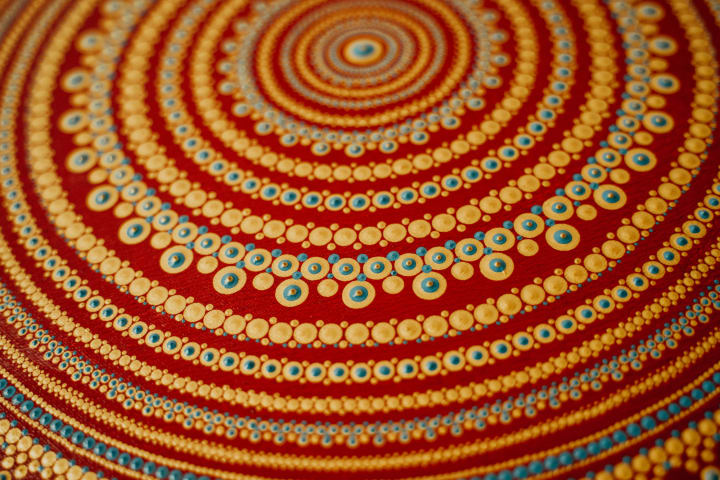
Flow State
Many people experience a "flow state" when working on mandalas—a mental zone where they lose track of time and are fully immersed in the activity. This state is associated with increased happiness and decreased stress levels, as the mind becomes absorbed in the task at hand. The Visual Impact of Mandalas
Aesthetic Pleasures
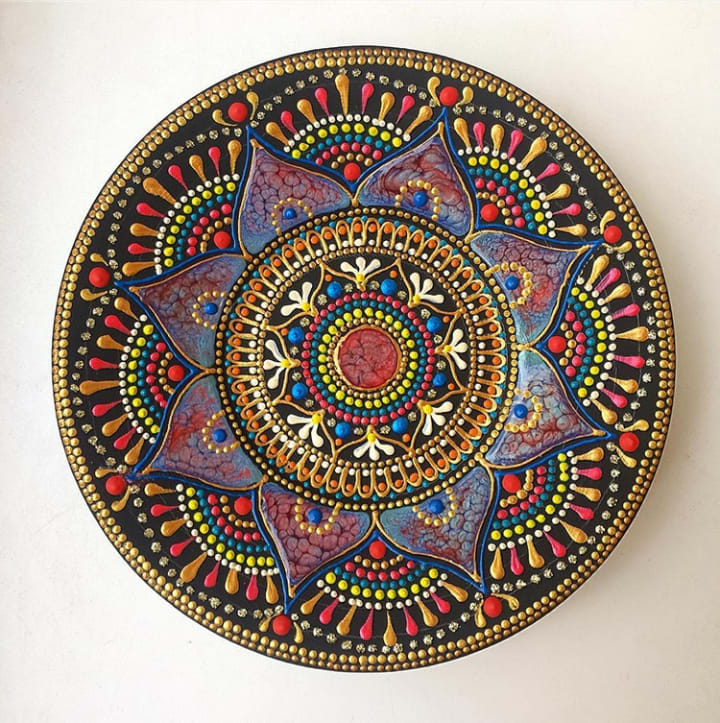
The beauty of mandalas can evoke feelings of calm and serenity. The harmonious shapes and colors create a visually pleasing experience that can soothe the mind. Research suggests that viewing art, especially intricate designs, can trigger relaxation responses in the brain, helping to reduce stress.
Symbolism and Meaning
Many people find comfort in the symbolic meanings associated with mandalas. They often represent unity, harmony, and wholeness. Engaging with these symbols can foster a sense of connection to something larger than oneself, promoting feelings of peace and purpose.
Scientific Insights
Recent studies have shown that engaging in art activities like mandala coloring can lower anxiety levels and improve mood. The repetitive, mindful nature of this activity can trigger the relaxation response in the body, leading to a decrease in cortisol levels (the stress hormone). Additionally, creating or viewing mandalas can stimulate brain areas associated with relaxation and emotional regulation.
Mandalas are more than just beautiful designs; they are powerful tools for relaxation and mindfulness. Whether you choose to color, create, or simply admire them, mandalas can help you find moments of peace in a busy world. By promoting mindfulness, encouraging creativity, and providing visual pleasure, mandalas offer a pathway to tranquility and mental clarity. So, next time you feel overwhelmed, consider reaching for a mandala—it just might be the calming influence you need.
About the Creator
Keep reading
More stories from Berfin Orhon and writers in Art and other communities.
Master Guitar Tuning in Minutes: The Ultimate Guide for Perfect Sound Every Time!
Tuning your guitar is a fundamental skill that every guitarist must master. An in-tune guitar not only sounds amazing but also enhances your overall playing experience. Whether you're strumming chords in your living room or performing on stage, having your guitar perfectly tuned is essential. In this ultimate guide, we’ll explore everything you need to know about tuning your guitar quickly and accurately.
By Berfin Orhonabout a year ago in Art
The River and the Drops
High in the mountains, where no one watched and no one applauded, tiny drops of water slipped from melting snow. Each drop was small, almost invisible, and carried a quiet fear within itself. They began their journey without knowing where they were going, only knowing that they were moving away from where they began.
By Sudais Zakwan6 days ago in Art
Center Stage with Paul Stewart
*** I'm keen to republish the interviews I did for my series with Vocal creators. It's been a few years and I thought it might be nice to revisit these wonderful conversations. I'll be releasing them one at a time for a few weeks/months.
By Heather Hubler3 days ago in Interview




Comments
There are no comments for this story
Be the first to respond and start the conversation.