
The Brown Gold Revolution: Why Kraft Paper is the Future of Sustainable Packaging
Innovation, Circularity, and the Global Shift Toward Eco-Friendly Packaging Solutions

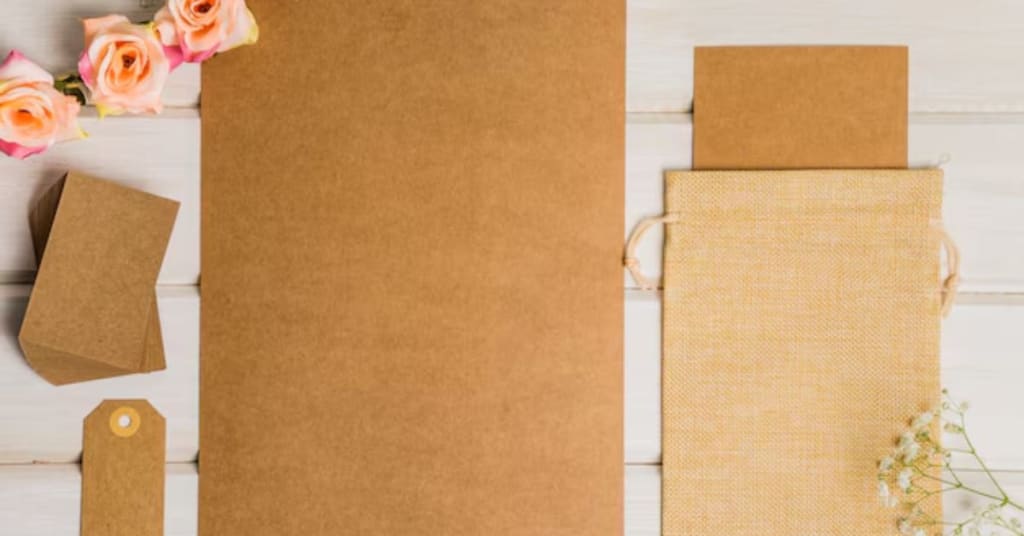
In an era defined by the urgent need for environmental stewardship, one material has quietly reclaimed its throne as the king of industrial utility: Kraft Paper. Once relegated to the humble grocery bag or the dusty archives of shipping rooms, Kraft paper is now at the center of a global manufacturing shift. As brands scramble to "de-plasticize" their supply chains, this durable, earthy material has become the gold standard for eco-conscious commerce.
But Kraft paper market is more than just a "green" alternative; it is a masterpiece of chemical engineering and mechanical resilience. To understand the current explosion in the Kraft market—projected to reach a valuation of over $22 billion by 2030—we must look at the science, the sustainability, and the sophisticated supply chains behind it.
1. The Science of Strength: Why "Kraft" Means Power
The word "Kraft" is not a brand name; it is the German word for strength. This name was earned through the specific chemical process used to create it, invented by Carl F. Dahl in 1879.
The Chemical Advantage
Most paper is made by cooking wood chips in a chemical soup to separate the cellulose fibers from the lignin (the "glue" that holds trees together). Traditional paper processes often leave behind a significant amount of lignin, which weakens the paper and causes it to yellow over time.
The Kraft Process (or sulfate process) is different. It involves a "white liquor" of sodium hydroxide and sodium sulfide that more effectively dissolves lignin. By removing more of the "glue," the process leaves behind longer, more intact cellulose fibers. Because the fibers are longer and less damaged, they create a tighter, more resilient bond when pressed into sheets. This is why a Kraft paper bag can carry ten pounds of groceries without tearing, while a standard sheet of office paper would fail instantly.
The Unbleached Aesthetic
The iconic brown color of Kraft paper is a result of its purity. To make white paper, the pulp must be heavily bleached with chemicals like chlorine or oxygen. By skipping the bleaching process, Kraft paper retains its natural wood-fiber hue, consumes fewer chemicals, and maintains higher structural integrity. In the modern market, this "natural brown" has become a visual shorthand for sustainability.
2. The Sustainability Narrative: Circularity in Action
The primary driver of the Kraft paper boom is the global "War on Plastic." With over 170 countries now pledging to significantly reduce or ban single-use plastics, Kraft paper has emerged as the most viable "circular" alternative.
Biodegradability and Compostability
Unlike plastic, which fragments into microplastics that persist for centuries, Kraft paper is a biological product. In a composting environment, a Kraft sheet will typically break down within six weeks. Even if it ends up in a landfill, it decomposes in a fraction of the time compared to synthetic polymers.
The Recyclability Loop
Kraft paper has one of the highest "recycling yields" in the paper industry. Because the fibers are so strong to begin with, they can be recycled up to seven times before they become too short to form a strong sheet. Furthermore, the Kraft process itself is remarkably self-sufficient. In modern "closed-loop" mills, the chemicals used to cook the wood (the "black liquor") are recovered and burned to create the energy that runs the plant. This makes Kraft production one of the most energy-efficient sectors in heavy manufacturing.
3. Market Diversification: Beyond the Grocery Bag
While we most often see Kraft paper in retail, its industrial applications are vast and increasingly high-tech.
Specialized Industrial Kraft
Sack Kraft: This is a high-stretch version of the paper used for heavy-duty applications like cement bags, flour sacks, and animal feed. It is engineered with "micro-creping" to allow the paper to absorb the kinetic energy of being dropped without bursting.
Electrical Grade Kraft: Due to its high purity and low conductivity, specialized Kraft paper is used as an insulator in oil-filled transformers and high-voltage cables.
Absorbent Kraft: This grade is used to create decorative laminates (like Formica). The paper is saturated with resins and pressed under high heat to create hard, durable surfaces for kitchen countertops and furniture.
The E-commerce Explosion
The "Amazon Effect" has fundamentally altered the Kraft market. As global shipping volumes soar, there is a massive demand for Kraft fluting (the wavy part of corrugated cardboard) and Testliner (the flat outer layers). The industry is currently innovating with "water-resistant" Kraft coatings that use plant-based waxes instead of plastic films, allowing shipping boxes to survive the rain while remaining 100% recyclable.
4. Consumer Psychology: The "Premium" of the Natural
Interestingly, Kraft paper has moved from being a "budget" option to a "premium" branding tool. In the luxury sector, high-end fashion houses and artisan food brands are moving away from glossy, laminated coatings in favor of heavy-weight, textured Kraft paper.
The tactile nature of Kraft paper communicates a story of authenticity. It tells the consumer that the brand is grounded, environmentally responsible, and focused on substance over flash. This "aesthetic of the organic" is a powerful tool in a market where Gen Z and Millennial consumers are willing to pay a 10-20% premium for products with sustainable packaging.
5. The Future: Innovation and Challenges
Despite its benefits, the Kraft paper industry faces significant challenges and opportunities as it scales to meet global demand.
Deforestation and Forest Management
The industry’s growth is only sustainable if the wood supply is managed correctly. This has led to the universal adoption of FSC (Forest Stewardship Council) and PEFC certifications. Modern Kraft producers are no longer just paper makers; they are massive-scale foresters, ensuring that for every tree harvested, three more are planted.
Digitization of the Mill
The "Smart Mill" is the next frontier. Using AI and IoT sensors, Kraft producers can now monitor fiber consistency and chemical concentrations in real-time. This reduces waste, optimizes energy consumption, and allows for the production of "Ultra-Lightweight Kraft"—paper that is thinner and uses less wood fiber but maintains the same strength as traditional heavy-weight sheets.
The Barrier Problem
The final "holy grail" for Kraft paper is the barrier property. Traditionally, paper cannot hold liquids or greasy foods without a plastic or foil lining. However, the industry is currently piloting Aqueous Coatings (water-based dispersions) that provide a barrier against grease and moisture without compromising the paper's ability to be repulped and recycled. When this technology goes mainstream, the plastic-lined coffee cup and the plastic-lined chip bag will finally become obsolete.
6. Global Economic Impact: A Regional Overview
The Kraft paper market is shifting geographically. While the United States and Northern Europe have traditionally been the production powerhouses (due to their massive softwood forests), the Asia-Pacific region is now the fastest-growing consumer market.
China’s ban on "foreign waste" and its strict new plastic regulations have created an insatiable demand for virgin and recycled Kraft pulp. This has led to a "pulp gold rush," with massive investments in new Kraft facilities in Southeast Asia and South America (specifically Brazil), where eucalyptus trees grow faster than the pines of the Northern Hemisphere, providing a rapid source of hardwood fiber.
Conclusion: The Sustainable Backbone
The story of Kraft paper is a reminder that the best solutions for the future are often improved versions of the past. By taking a 140-year-old process and infusing it with modern AI, sustainable forestry, and advanced barrier chemistry, we have created a material that satisfies both the balance sheet and the biosphere.
Kraft paper is no longer just a wrapper; it is the backbone of the "Bio-Economy." As we move toward a post-plastic world, this rugged, brown, and remarkably versatile material will continue to prove that in the world of packaging, strength and sustainability are two sides of the same coin.
About the Creator
Rahul Pal
Market research professional with expertise in analyzing trends, consumer behavior, and market dynamics. Skilled in delivering actionable insights to support strategic decision-making and drive business growth across diverse industries.


Comments
There are no comments for this story
Be the first to respond and start the conversation.