
The Benefits of Car Dismantling: A Sustainable Solution for End-of-Life Vehicles
Car Dismantling
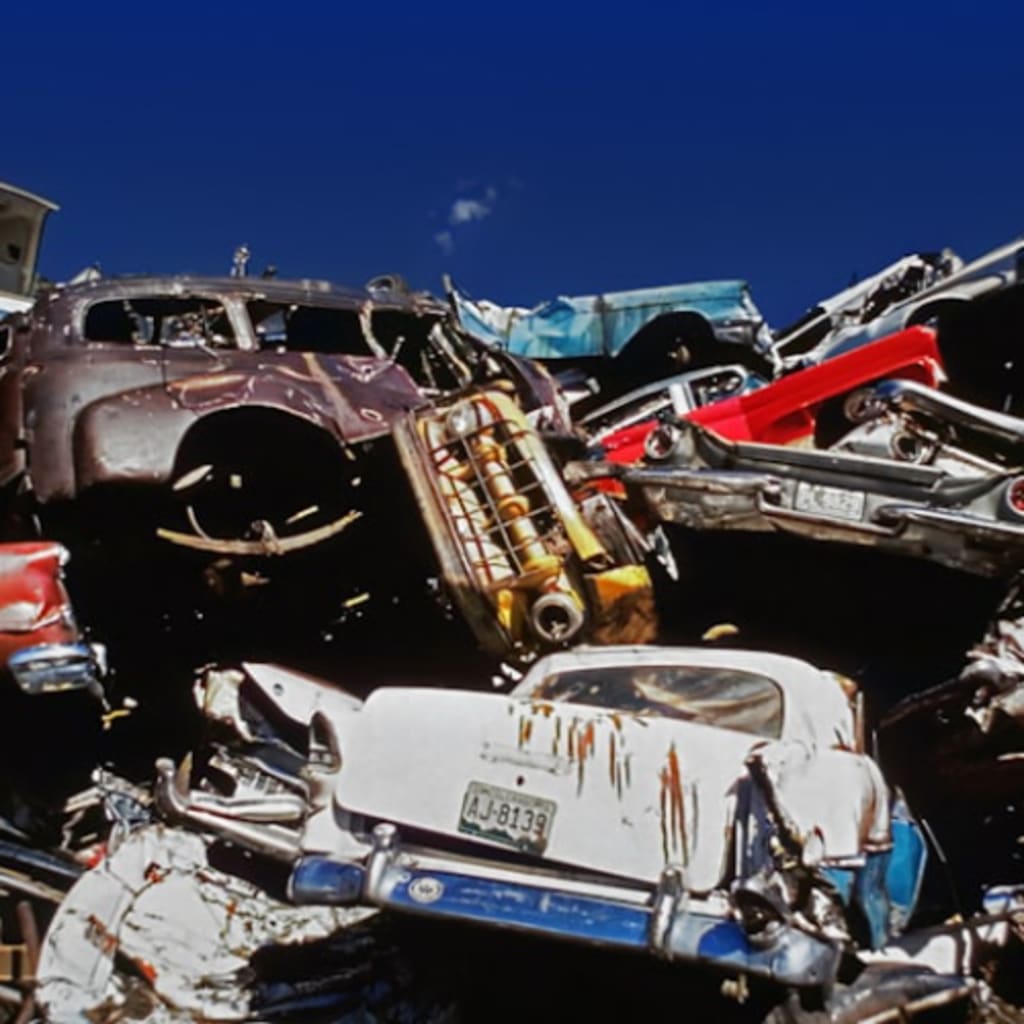
Car dismantling is the process of disassembling an end-of-life vehicle (ELV) to remove valuable parts and materials for reuse, recycling, or resale. As vehicles age, they often become less efficient, more expensive to repair, or simply too damaged to be driven. Instead of allowing these vehicles to sit idle or end up in landfills, many owners are turning to professional car dismantling services. Not only does this approach help to recycle valuable materials, but it also provides numerous environmental and economic benefits. In this article, we’ll explore why car dismantling is essential and the positive impact it can have on the environment and the economy.
What is Car Dismantling?
Car dismantling involves taking apart a vehicle in a systematic way, separating reusable parts, scrap metals, and hazardous materials. These parts are then either resold, recycled, or disposed of in an environmentally responsible manner. The process is typically carried out by certified professionals in authorized dismantling yards or vehicle recycling facilities.
Benefits of Car Dismantling
1. Environmental Benefits
One of the most significant benefits of car dismantling is its positive impact on the environment. Cars contain a wide variety of materials, many of which can be harmful if disposed of improperly. By dismantling and recycling vehicles, we reduce the number of cars that end up in landfills, helping to conserve natural resources and minimize pollution.
Reduces Waste: Dismantling allows the recovery of many components that can be reused, such as metal parts, plastics, and glass. By recycling these materials, we can reduce the need for new resources and help lower the overall volume of waste.
Prevents Harmful Chemical Leaks: Vehicles contain hazardous substances like oil, gasoline, brake fluid, and battery acid. If left unchecked, these materials can seep into the soil and water, causing serious environmental damage. Car dismantling ensures these substances are safely removed and disposed of in accordance with environmental regulations.
Conserves Resources: The metals in a vehicle, including steel, aluminum, and copper, can be recycled and used to create new products. This reduces the need for mining and extraction of raw materials, which is a resource-intensive and environmentally damaging process.
2. Economic Benefits
Car dismantling also provides a boost to the economy. By reusing and recycling vehicle parts, dismantling companies can create jobs and stimulate local economies. Here’s how:
Recycling Industry Growth: The demand for recycled metals and materials from dismantled cars has led to a thriving recycling industry. Many car dismantling yards sell valuable metals and components to manufacturers and parts suppliers. These materials are used to create everything from new vehicles to household items, supporting industries across the board.
Affordable Auto Parts: Many parts that are removed during the dismantling process can be resold as used auto parts. For car owners, purchasing used parts from dismantling services is often more affordable than buying brand-new parts. This helps make car repairs more accessible and cost-effective.
Job Creation: Car dismantling facilities employ a range of professionals, including mechanics, laborers, environmental specialists, and administrative staff. The growth of the dismantling and recycling industry contributes to job creation, particularly in regions where vehicle disposal is a significant part of the local economy.
3. Supports Sustainable Practices
Car dismantling is aligned with the principles of a circular economy, where products are reused and recycled rather than disposed of. In a circular economy, waste and pollution are minimized, and the lifecycle of products is extended. By participating in car dismantling, vehicle owners contribute to sustainability and ensure that valuable materials continue to be used efficiently.
Extended Lifespan of Car Parts: Many car parts can be reused in other vehicles, which helps extend their lifespan. For instance, engines, transmissions, and wheels can often be refurbished and used in other cars. This practice reduces the need for new parts and helps cut down on the carbon footprint of manufacturing new components.
Energy Savings: Recycling car materials such as metals requires less energy compared to extracting raw materials from the earth. By dismantling cars and recycling their parts, energy consumption is reduced, making the overall manufacturing process more sustainable.
4. Ensures Proper Disposal of Hazardous Materials
End-of-life vehicles often contain hazardous materials, such as lead in batteries, mercury in lights, and various chemicals in fluid systems. If these materials are not properly handled, they can pose serious health risks to humans and wildlife. Car dismantling ensures that these hazardous substances are carefully removed and disposed of in accordance with local regulations.
Safe Removal of Hazardous Fluids: Car dismantlers carefully drain all hazardous fluids from the vehicle, including engine oil, coolant, and fuel. These fluids are then disposed of in a way that prevents contamination of water and soil.
Proper Disposal of Batteries and Electronics: Car batteries contain harmful chemicals like lead and acid. Dismantling yards properly dispose of batteries and electronic components, ensuring that toxic substances do not leak into the environment.
5. Reduces the Need for Landfilling
When vehicles are not dismantled and recycled, they often end up in landfills, taking up valuable space and contributing to pollution. Car dismantling helps to divert these vehicles away from landfills, reducing their environmental impact. Materials such as plastics, glass, and metal are sent for recycling, helping to decrease the amount of waste that ends up in landfills.
Minimizes Landfill Overflow: As landfills reach capacity in many parts of the world, car dismantling provides a crucial alternative by repurposing vehicle materials and reducing the volume of waste in landfills.
Reduces Carbon Footprint: By recycling car parts and materials, dismantling helps reduce the carbon footprint associated with manufacturing new vehicles and components. The entire process of recycling car parts generates far fewer emissions than producing new materials.
6. Compliant with Regulations
Most regions have strict regulations regarding vehicle disposal to protect public health and the environment. Car dismantling services are often licensed and operate in compliance with these regulations, ensuring that they meet safety and environmental standards. This means that by using a reputable dismantling service, vehicle owners can ensure they are disposing of their car legally and responsibly.
Conclusion
Car dismantling is much more than just a way to get rid of an old or damaged vehicle. It’s a sustainable, environmentally friendly practice that brings numerous benefits, including the reduction of waste, conservation of natural resources, and the safe disposal of hazardous materials. Additionally, it stimulates the economy by creating jobs, providing affordable auto parts, and supporting the recycling industry.
By choosing car dismantling, vehicle owners not only contribute to the circular economy but also help protect the environment and reduce their carbon footprint. Whether you're disposing of an old car or simply looking to recycle parts, car dismantling is an essential and responsible way to give your vehicle a second life while benefiting the planet.
About the Creator
Keep reading
More stories from All Car Removals and writers in Art and other communities.
The Environmental Benefits of Selling Your Junk Car for Cash
In a world where environmental sustainability is more important than ever, many people are re-evaluating their everyday decisions — including how they dispose of old or unused vehicles. That rusty, unused car sitting in your garage or backyard isn’t just an eyesore — it could also be harming the environment in more ways than you realise.
By All Car Removals5 months ago in Art
The Uncopiable Human Wit to Write
We all have been in that spot at least once in our schooldays where we have been wringing our brains off to curate written articles of some sort until our soul-less friends were born. At just four years old, our beloved soul-less, metallic, digital assistant who is always by our side when we turn on our computers and smart phones, will be doing much more than curating written content for us all, if you know what I mean.
By Sound Savvy7 days ago in Art
Miss Persephone's Manual to a Seemingly Ordinary Life
Miss Persephone was found at the dining table, her blue eyes swollen, her tears arriving and retreating like the tides of the ocean. Earlier that day, her family had visited her in the retirement home where she had lived for eight years. It was her eightieth birthday.
By Imola Tóth4 days ago in Fiction


Comments
There are no comments for this story
Be the first to respond and start the conversation.