
The Beauty Secrets of Ancient Egyptian Women: A Detailed Look at Pharaohs' Makeup
History

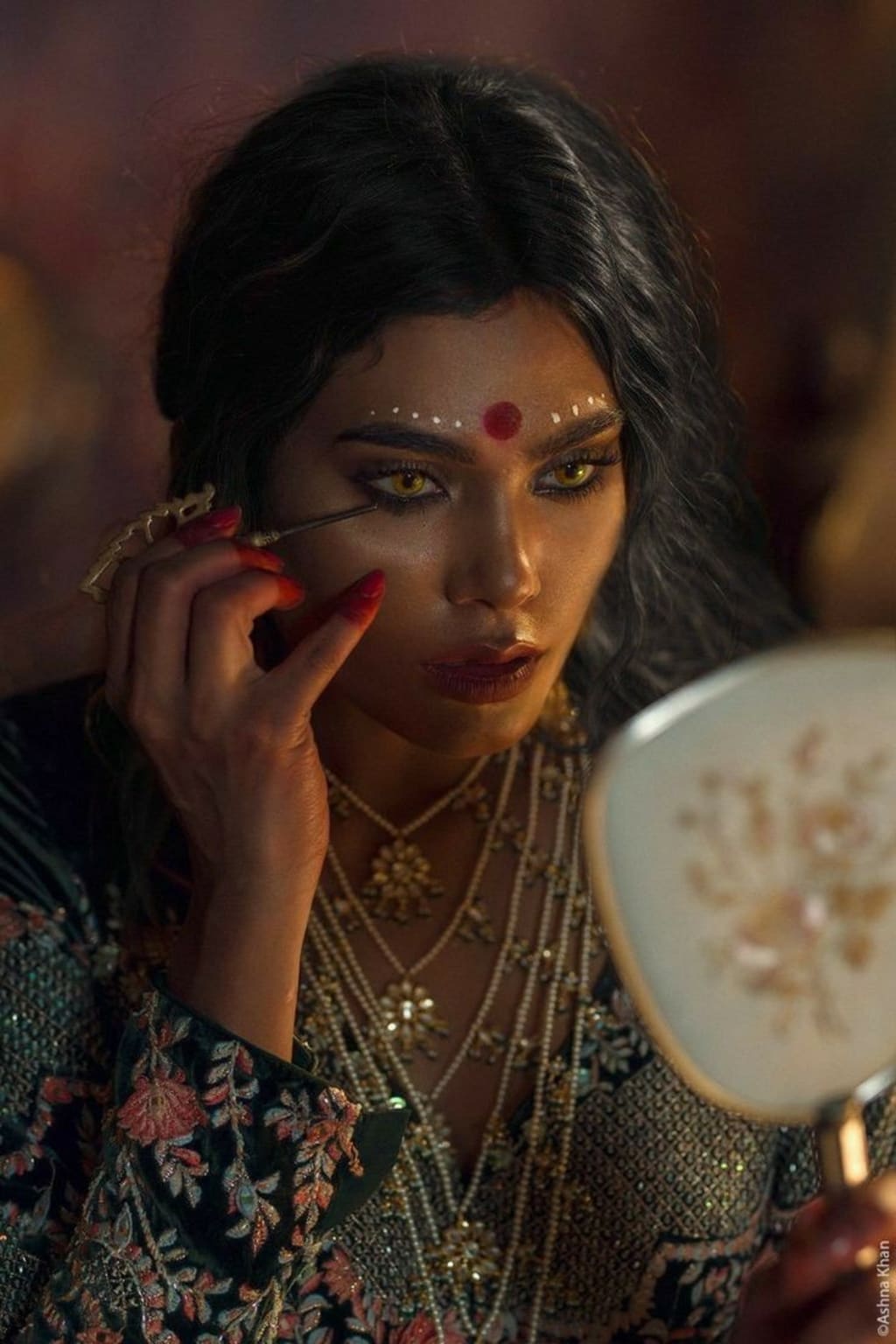
The ancient Egyptians are renowned for their advanced civilization, which left a significant impact on art, architecture, and daily life. Among their many achievements, their approach to beauty and makeup stands out as a testament to their sophistication and innovation. This article delves into the makeup practices of ancient Egyptian women, particularly during the time of the Pharaohs, exploring the products they used and their cultural significance.
Makeup in ancient Egypt was more than just a beauty ritual; it was deeply intertwined with religion, health, and social status. The ancient Egyptians believed that personal grooming was a reflection of divine beauty and health. The use of makeup was prevalent among both men and women, but women, especially those of higher social status, often employed more elaborate techniques and products.
Ingredients and Products
1. **Kohl (Mesdemet)**: One of the most iconic makeup products used by ancient Egyptian women was kohl. This dark eyeliner was made from powdered galena (a lead ore) or soot mixed with animal fats. Kohl was applied to the eyes to enhance their shape, protect them from the sun's glare, and ward off eye infections. The eyeliner was often applied in thick lines, extending beyond the outer corners of the eyes, creating a dramatic look.
2. **Malachite and Lapis Lazuli**: Green malachite and blue lapis lazuli were used to create eye shadow. These minerals were ground into fine powders and applied to the eyelids. The vibrant colors symbolized fertility and protection and were believed to have magical properties.
3. **Henna**: Henna was used not only as a dye for body art but also for coloring the nails and hair. Its use was associated with joy and celebration. The natural dye provided a reddish-brown hue that was both attractive and long-lasting.
4. **Cosmetic Ointments**: Various herbal and animal fat-based ointments were used for moisturizing the skin. Ingredients like honey, olive oil, and animal fats were combined with natural extracts to create creams and lotions that kept the skin soft and protected.
5. **Lip Color**: Ancient Egyptian women used a mixture of red ochre and beeswax to color their lips. This rudimentary lipstick provided a vivid color and was an important aspect of their overall beauty regimen.
Application Techniques
The application of makeup was not only about enhancing beauty but also about adhering to cultural and religious practices. For instance, the use of kohl involved intricate techniques to ensure that it was applied symmetrically. The application of eye shadow and eyeliner was often performed in a ritualistic manner, reflecting the spiritual significance of beauty practices.
Cultural Significance
Makeup in ancient Egypt was a marker of status and identity. Wealthy women, especially those in the royal court, used makeup to signify their high social status. The use of certain colors and styles was also associated with various deities and offered protection against evil spirits. For example, the blue and green colors used in eye makeup were linked to the goddess Hathor, who was associated with fertility and motherhood.
The makeup practices of ancient Egyptian women reveal a sophisticated understanding of beauty, health, and symbolism. The use of natural ingredients and innovative techniques highlights the advanced nature of their cosmetic practices. By examining these historical practices, we gain valuable insights into the cultural and spiritual life of one of the most remarkable civilizations in history.
References
- **"Makeup in Ancient Egypt"**: [The British Museum](https://www.britishmuseum.org/)
- **"Ancient Egyptian Beauty: The Secrets of Makeup"**: [Ancient History Encyclopedia](https://www.ancient.eu/)
- **"Egyptian Beauty Secrets Revealed"**: [Smithsonian Magazine](https://www.smithsonianmag.com/)
About the Creator
Keep reading
More stories from Warm vanilla and writers in Art and other communities.
Thoughts
As our awareness matures, our perception of experiences transforms significantly. We may go through the same events, but our reactions differ depending on the level of our consciousness. The more our awareness matures and our inner peace grows, the simpler and easier life's experiences become. It is we who change, not the experiences.
By Warm vanilla about a year ago in Fiction
The Best Philosophy in the World Is the One You Can Live
Ask ten philosophers what the best philosophy in the world is, and you will receive at least ten different answers—possibly delivered with footnotes, counterarguments, and mild contempt for the other nine. This disagreement is not a flaw of philosophy; it is its essence. Philosophy was never meant to be a universal prescription handed down like a rulebook. It exists to help human beings live better lives. By that standard, the best philosophy in the world is not the most elegant or complex—it is the one that can be lived.
By Fred Bradford6 days ago in Art
When the Artist Becomes the Art
We like to think we can separate the art from the artist, but can we, really? Art is born from the same place as sin. It mainly emerges from conflict: between what is felt and what is permitted, between the self that is lived and the self that must be hidden. No figure embodies this tension more vividly than Oscar Wilde: a man who transformed his own contradictions into style, wit, and devastating clarity. His novel The Picture of Dorian Gray is not merely a tale of aesthetic decadence but the battleground on which this question is fought.
By Yasmine Lagrasa day ago in Art


Comments (1)
Oh wow, I had no idea they used henna even back then