
The Art of Saying No
Mastering the art of saying no is a powerful tool for protecting your time, reducing stress, and cultivating better personal and professional relationships. Learn how to confidently set limits without guilt.

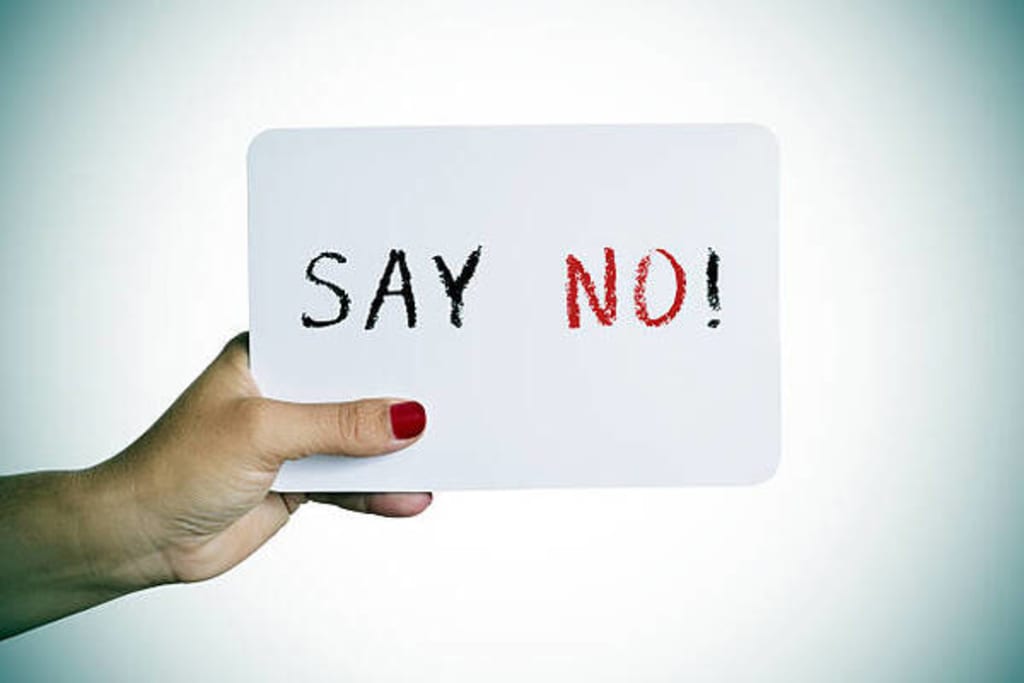
Saying “no” is a skill that many people struggle with. We’ve all experienced moments when we agreed to do something, even though we didn’t want to, just to avoid disappointing others or facing awkwardness. However, the truth is, learning how to say no can be one of the most powerful tools for improving our lives.
Understanding the Struggle
For many, the pressure to always say yes comes from a desire to please others. We worry that if we decline a request, we might hurt someone's feelings or appear selfish. Social norms often push us to be agreeable, and there is a deep-rooted fear of rejection or being labeled as difficult. These feelings make it difficult to prioritize our own needs, leading to stress and burnout.
But constantly saying yes can have negative consequences. It can leave us feeling overwhelmed, overworked, and out of balance. When we overcommit, we end up spreading ourselves too thin, which makes it harder to focus on the things that matter most—like our well-being, relationships, and personal goals.
The Importance of Boundaries
Setting boundaries is essential to maintaining a healthy mental and emotional state. When you say no, you are not rejecting others; instead, you are protecting your time and energy. Boundaries help you ensure that you can devote time to things that align with your values and goals. Saying no, while sometimes uncomfortable, ultimately strengthens your ability to live authentically and without unnecessary stress.
The Benefits of Saying No
Reduced Stress
Learning to say no can significantly reduce stress. When you stop overcommitting, you free up time and mental energy to focus on what truly matters. Whether it’s work, personal projects, or spending time with loved ones, having more control over your schedule allows you to take a breath and focus on the important things in your life.
Increased Productivity
Ironically, saying no can actually make you more productive. By limiting your commitments, you give yourself the opportunity to focus more deeply on the tasks at hand. The fewer distractions you have, the better you can perform in the areas that are most important to you.
Improved Self-Respect
When you say no, you’re honoring your own needs and feelings. By setting clear boundaries, you show yourself the respect that you deserve. This self-respect can improve your confidence and help you feel more in control of your life.
Better Relationships
At first, saying no might seem like it will create tension or distance between you and others. However, the opposite is often true. Healthy boundaries lead to more genuine relationships. People appreciate honesty and understanding when you politely decline their requests instead of overcommitting and resenting them later.
How to Say No Without Guilt
It’s important to learn how to say no gracefully. Saying no doesn’t have to mean being rude or dismissive. Here are a few tips to do it with kindness:
Be Honest: If you don’t have the time or energy for something, it’s okay to say so. Honesty is appreciated, and people will understand that you have other priorities.
Offer an Alternative: If appropriate, offer a solution. For example, “I can’t help with this today, but I’m available next week” can show that you are still willing to help in a way that fits your schedule.
Use a Firm, Polite Tone: While being polite is key, it’s important to be firm in your response. Don’t leave room for negotiation if you’ve made up your mind. A simple “No, thank you” is enough.
Don’t Over-Explain: You don’t need to justify your decision or make excuses. Simply saying no without offering too many reasons is perfectly fine.
Learning to Say No in Practice
Take Sarah, for example. Sarah used to say yes to every invitation and request from her colleagues, friends, and family. She found herself constantly overwhelmed and exhausted, with little time to rest or focus on her goals. After attending a self-help seminar, Sarah learned the power of setting boundaries. She began practicing saying no to things that didn’t align with her priorities. Gradually, Sarah noticed a significant change in her life. She was more focused at work, had time to pursue her personal passions, and felt less stressed overall. Her relationships also improved, as people respected her for being clear about her limits.
The Freedom of No
Mastering the art of saying no is not just about rejecting things; it’s about taking back control of your time and energy. When you say no, you create space for the things that truly bring you joy and fulfillment. It may be uncomfortable at first, but with practice, you will feel more confident in your decisions and find that saying no becomes a liberating tool that enhances your life.
Learning to say no is essential to living a balanced and fulfilling life. When you honor your own needs, you are better able to serve others, achieve your goals, and live authentically. So, the next time you feel pressured to say yes, remember that saying no might just be the best decision for everyone involved.
About the Creator
Tipu Das
Hi, I’m Tipu! I love storytelling and exploring various topics. Whether it's history, trends, or personal growth, I'm here to share insights. Join me on this journey as we discover new ideas together!
'Till Death We Do Art
There would be nothing divine in this world without art. Nature may surpass the divine to all intents and purposes, but like everything it absorbs and is absorbed by, it remains here, stuck on the surface of this world, ever-present, physically bound to the universe.
By Avocado Nunzella BSc (Psych) -- M.A.P 28 days ago in Art
The Rising Demand for Custom Physical Therapy Apps
Healthcare delivery is evolving faster than ever, and rehabilitation is no exception. Physical therapy — once limited to in-clinic sessions and paper-based exercise plans — is now being transformed by mobile technology. With increasing smartphone adoption and a growing demand for remote care, healthcare providers are exploring digital solutions to improve patient engagement and treatment outcomes.
By Steve Waugh4 days ago in Art




Comments
There are no comments for this story
Be the first to respond and start the conversation.