
The Art of Porcelain Craftsmanship: From Kaolin Clay to Masterpieces
Exploring the Meticulous Process Behind Crafting Fine Porcelain Dishware

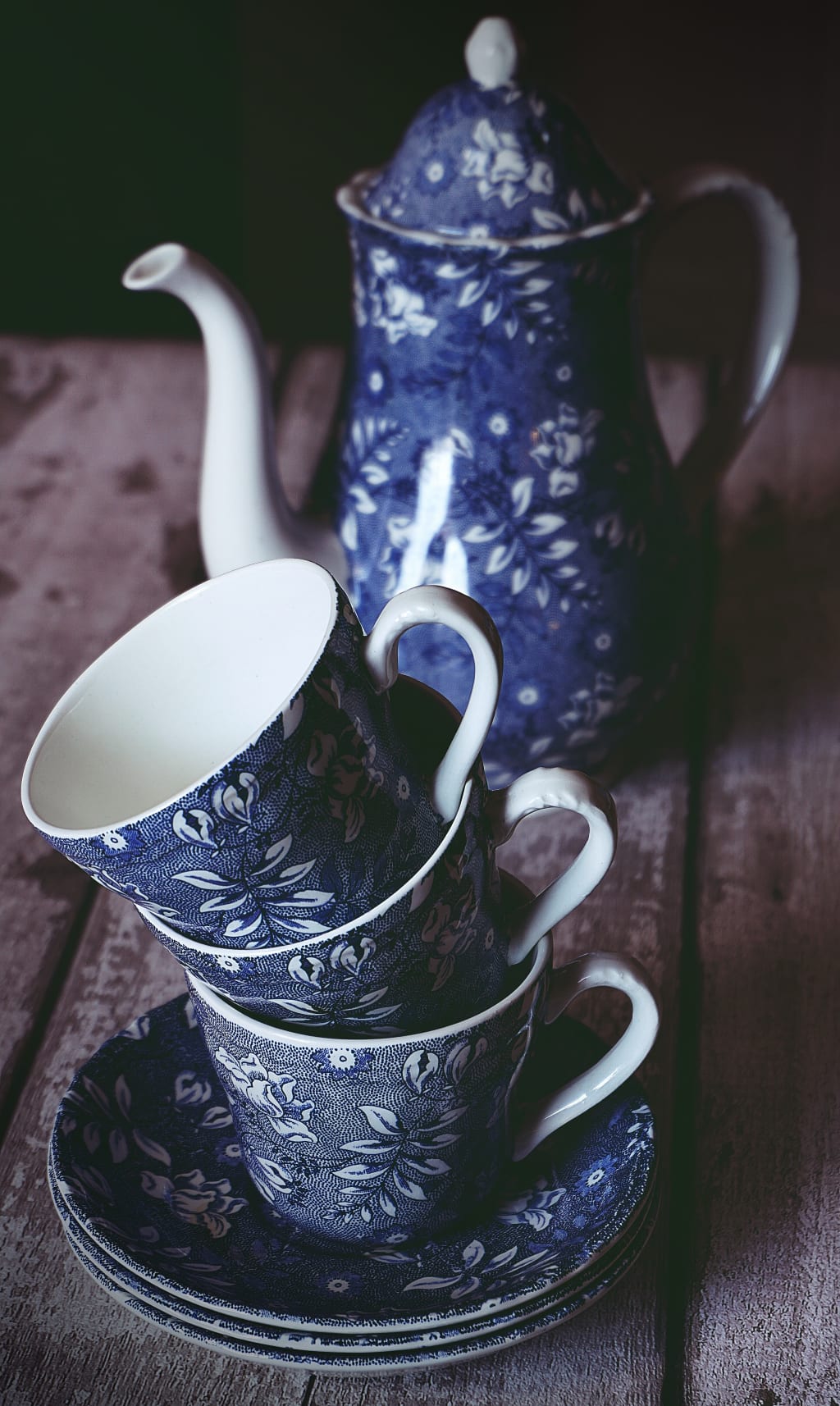
In the realm of ceramics, few materials evoke the same sense of awe and admiration as porcelain. Often referred to as "white gold" due to its rarity and exquisite beauty, porcelain has graced homes, dining tables, and even bathroom fixtures for centuries. Renowned for its exceptional durability, non-porous nature, and distinct white color, porcelain is a symbol of fine dishware and an unexpected champion in the world of toilets. But what makes porcelain truly unique, and at times, astonishingly expensive?
A Storied Beginning
The tale of porcelain begins with its fundamental composition - clay. Unlike its ceramic counterparts, porcelain clay is characterized by a high concentration of kaolin, a mineral responsible for its signature whiteness. While kaolin deposits can be found scattered across the globe, the existence of pristine, high-quality sources remains exceedingly rare. It is this scarcity of premium kaolin reserves that contributes significantly to the exclusivity of porcelain.
A Global Legacy
Although the origins of porcelain can be traced back to ancient China, its production has transcended borders and continents. An enduring testament to this craft is the Arita Porcelain Lab in Japan, where skilled artisans have meticulously honed their porcelain-crafting skills for over two centuries.
The Alchemy of Composition
The composition of porcelain clay is a carefully orchestrated fusion of various elements, each contributing to the material's unique properties. These elements include quartz, feldspar, and ball clay, each playing a distinctive role in shaping the clay's characteristics. Ball clay enhances malleability, making the clay more pliable, while feldspar contributes to the development of a glass-like finish during the firing process. For the creation of the finest translucent porcelain, the use of unblemished, impurity-free clays is imperative, further enhancing the material's elevated cost.
Meticulous Artistry
Crafting porcelain is a complex and exacting process, one that often challenges even the most seasoned potters. Porcelain clay, known for its less pliable nature compared to other ceramics, is particularly susceptible to cracking during the drying phase. To ensure precision and consistency, workshops such as Arita employ molds for shaping intricate pieces.
The Elegance of Glazing
The pivotal glazing stage in porcelain production serves a dual purpose: it provides a protective seal while introducing an array of colors and patterns, thereby elevating the material's aesthetic allure. In many studios, each design is painstakingly hand-painted, underscoring the labor-intensive nature of ceramic artistry.
The Crucial Role of Temperature
Temperature assumes a pivotal role in the transformation of porcelain. To achieve its signature glass-like surface, porcelain must undergo firing at higher temperatures compared to most ceramics, often exceeding temperatures of 1300 degrees Celsius. At Arita Porcelain Lab, each piece undergoes three rounds of firing, a painstaking but essential process that ensures both robustness and visual appeal.
The Birth of Masterpieces
As the final stages of firing conclude, porcelain masterpieces begin to take form. The pricing of porcelain varies based on several factors, including size and design intricacy. While a simple rice bowl may be priced around seven dollars, more elaborate platters can command prices in the thousands. Traditional blue and white patterns, with their timeless allure, continue to captivate enthusiasts. Yet, contemporary interpretations are emerging to seamlessly blend with modern interiors.
A Celebration of Craftsmanship
In a world where mass-produced goods frequently dominate, the meticulous artistry and enduring allure of porcelain continue to captivate those who appreciate the craftsmanship and complexity embodied in each and every piece. The legacy of porcelain, with its origins in ancient China and its evolution into a global craft, stands as a testament to human ingenuity and the enduring pursuit of perfection. From the rarity of pristine kaolin deposits to the painstaking artistry involved in glazing and firing, the journey of porcelain unveils a world of meticulous craftsmanship, enduring beauty, and unparalleled artistry that transcends time and borders.
About the Creator
Keep reading
More stories from Anu Preethi Danila D and writers in Art and other communities.
From Seed to Fabric: The Journey of Cotton Processing
The exact origins of the cotton plant are unknown, although archaeologists have unearthed pieces of cotton cloth over 7,000 years old. Through the centuries, cotton fiber was traditionally processed by hand until the early 18th century when the first automated processing machine was invented.
By Anu Preethi Danila D2 years ago in Art
Why 316 stainless steel sculpture is the gold standard for coastal sculptures
If stainless steel sculptures are installed in coastal environments, corrosion caused by sea breezes becomes an important issue to consider. Salt in the air, high humidity, and frequent temperature changes can all accelerate surface deterioration if the material or finish is not suitable.
By Shenzhen Ruiheng Crafts6 days ago in Art



Comments
There are no comments for this story
Be the first to respond and start the conversation.