
The Art of Mass Appeal: Hong Kong's 2,500 Panda Sculpture Exhibition Rides the Bear Wave
Hong Kong's ambitious public art exhibition featuring 2,500 panda sculptures marks a significant cultural moment, blending pop culture with artistic expression. The installation capitalizes on the city's growing "bear mania" while promoting public engagement with art and celebrating Chinese cultural heritage.


In an unprecedented fusion of public art and popular culture, Hong Kong is set to transform its urban landscape with an ambitious installation of 2,500 panda sculptures. This large-scale artistic endeavor not only capitalizes on the city's current bear-themed cultural phenomenon but also represents a significant milestone in Hong Kong's public art scene.
The Cultural Context
The timing of this installation is particularly noteworthy, emerging during a period when Hong Kong has experienced what local media has dubbed "bear mania." This cultural zeitgeist began with the popularity of various bear-themed merchandise and has now evolved into a full-fledged artistic movement. As an art installation expert, I find this transition from commercial phenomenon to cultural statement particularly fascinating.
Artistic Significance
The choice of pandas as the subject matter is multilayered in its significance. Pandas, as China's national treasure, carry deep cultural symbolism while also possessing universal appeal. The sheer scale of the installation – 2,500 individual sculptures – creates an impressive visual impact that transforms the urban environment into an interactive art gallery.
From a curatorial perspective, this installation demonstrates the evolution of public art in the 21st century. It represents a departure from traditional monument-style public art, instead embracing a more democratic, accessible form of artistic expression that encourages public engagement and participation.
Technical Execution and Design
The technical aspects of this installation are remarkable. Each panda sculpture, while part of a unified whole, presents unique artistic challenges in terms of placement, orientation, and interaction with its environment. The logistics of installing 2,500 sculptures requires careful consideration of spatial dynamics, public safety, and environmental factors.
The artists and curators involved have had to balance several key elements:
• Material selection that can withstand Hong Kong's humid climate
• Design considerations that ensure each sculpture maintains its visual impact while being part of the larger installation
• Strategic placement to create optimal viewing experiences from multiple angles
• Integration with existing urban architecture and landscapes
Public Engagement and Social Impact
This installation serves multiple purposes beyond its artistic merit. It creates numerous photo opportunities for residents and tourists, effectively turning the city into an interactive art space. The accessibility of the installation democratizes art appreciation, bringing it out of traditional gallery spaces and into the public sphere.
The project also demonstrates how public art can respond to and amplify current cultural trends. By incorporating elements of popular culture (the bear craze) with traditional artistic expression, the installation bridges the gap between high art and popular entertainment.
Educational Value
From an art education perspective, this installation offers valuable learning opportunities. It demonstrates the principles of:
• Scale and repetition in artistic composition
• The relationship between art and public space
• Cultural symbolism in contemporary art
• The intersection of popular culture and fine art
Economic and Tourism Impact
The installation is expected to generate significant tourism interest, particularly from mainland China and other Asian countries where pandas hold special cultural significance. This artistic initiative could serve as a catalyst for cultural tourism, benefiting local businesses and contributing to Hong Kong's creative economy.
Future Implications
This project sets an important precedent for future public art installations in Asia and globally. It demonstrates how cities can effectively combine cultural trends with artistic expression to create meaningful public experiences. The success or failure of this installation could influence how other cities approach large-scale public art projects.
Professional Assessment
As an art professional, I see this installation as a significant development in contemporary public art. It successfully balances several crucial elements:
- Cultural relevance and accessibility
- Artistic merit and popular appeal
- Scale and intimacy
- Traditional symbolism and contemporary expression
The use of pandas as the subject matter is particularly clever, as it carries multiple layers of meaning – from cultural identity to environmental awareness – while remaining approachable and engaging for the general public.
Conclusion
Hong Kong's 2,500 panda sculpture installation represents more than just a response to a trending cultural phenomenon. It marks an important evolution in how cities can use public art to engage communities, celebrate cultural heritage, and create memorable urban experiences. The project demonstrates the potential of large-scale public art to transform urban spaces while remaining accessible and meaningful to diverse audiences. As the installation takes shape, it will undoubtedly contribute to the ongoing dialogue about the role of public art in contemporary urban life and culture.
About the Creator
Muhammah Hanzalah
Passionate about history and culture. Join me on Vocal Media for captivating insights into hidden historical gems and diverse cultural traditions. Let's explore the rich tapestry of our shared heritage and artistic expressions.
Keep reading
More stories from Muhammah Hanzalah and writers in Art and other communities.
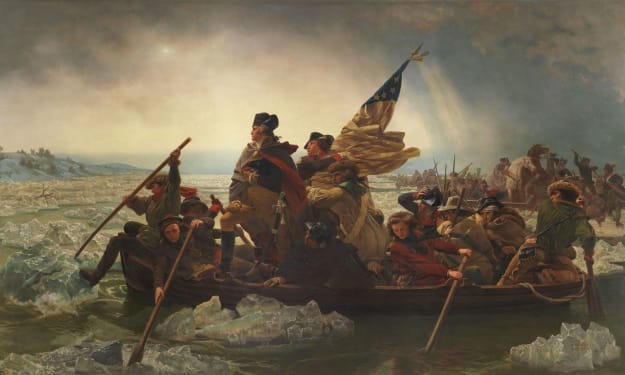
Washington Crossing the Delaware (1851)
"Washington Crossing the Delaware," painted by German-American artist Emanuel Leutze in 1851, stands as a seminal piece of American historical art. The painting vividly captures a pivotal moment during the American Revolutionary War, symbolizing resilience, leadership, and hope. This iconic artwork has transcended its medium to become a cultural and patriotic emblem, often analyzed for its artistic excellence, historical significance, and the nuanced interplay between reality and romanticized narrative.
By Muhammah Hanzalahabout a year ago in Art
'Till Death We Do Art
There would be nothing divine in this world without art. Nature may surpass the divine to all intents and purposes, but like everything it absorbs and is absorbed by, it remains here, stuck on the surface of this world, ever-present, physically bound to the universe.
By Avocado Nunzella BSc (Psych) -- M.A.P 12 days ago in Art
David Bowie: Identity as Art and Philosophy
David Bowie didn’t just make music. He made selves. Each era of his career arrived with a new face, a new voice, a new story about who he was allowed to be. Ziggy Stardust fell from the stars to preach doomed glamour. The Thin White Duke stalked across the stage with ice-cold elegance. Then there were the quieter, searching versions—Bowie as wanderer, as witness, as man growing older without pretending to stay young. This wasn’t costume for costume’s sake. It was a living philosophy: identity is not discovered; it’s created.
By Fred Bradford4 days ago in Art



Comments
There are no comments for this story
Be the first to respond and start the conversation.