
The Art of Imperfection: Why Flaws Make Creativity Shine
Flaws are Important
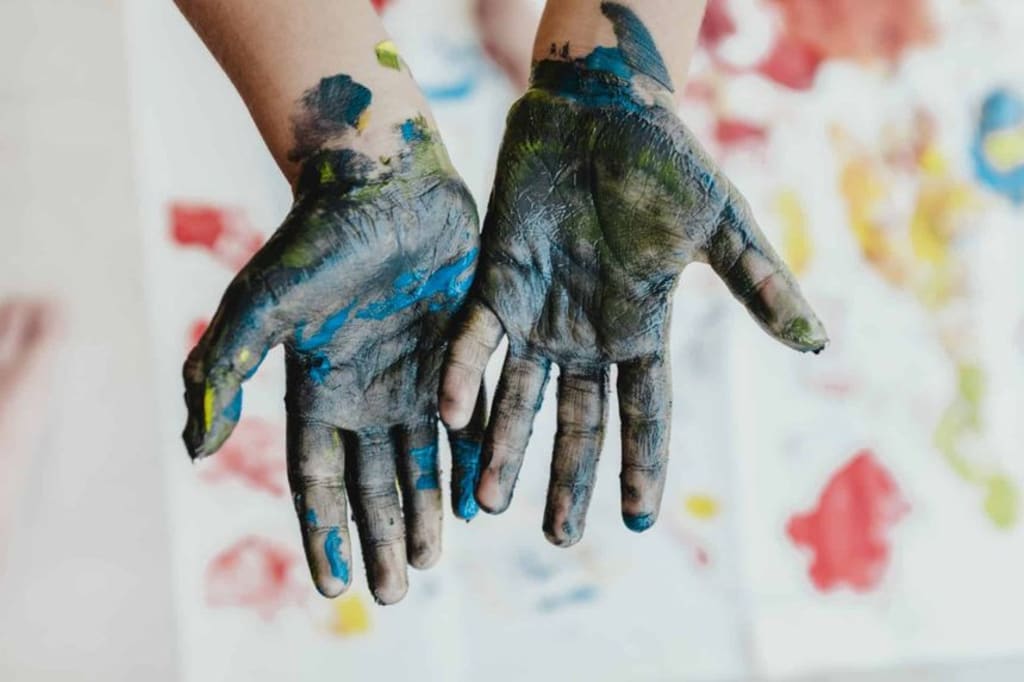
In a world obsessed with perfection, it’s easy to forget that the greatest art isn’t flawless. In fact, it’s the imperfections that often make it memorable, raw, and deeply human. Think about it: the beauty of a handmade ceramic bowl is in its slight unevenness, the rough brushstrokes on a painting are what give it soul, and that offbeat note in a live performance is what makes it real.
Imperfection is the heartbeat of creativity. It’s what sets art apart from the polished, overly produced, and sanitized creations that seem to flood our feeds every day. And that’s something we shouldn’t just accept; it’s something we should celebrate.
Perfection is Boring
Let’s face it—perfect is boring. Sure, a perfectly symmetrical face or a flawless photograph might be pleasing to the eye, but does it stick with you? Does it make you feel something? The truth is, perfection can be sterile. It lacks the depth, the grit, the emotion that comes from embracing flaws and vulnerabilities.
Look at some of the most iconic artists in history—Frida Kahlo, Vincent van Gogh, Basquiat. Their art wasn’t "perfect" in the traditional sense, but it was powerful because it was honest. Van Gogh’s swirling, chaotic skies weren’t about accuracy; they were about emotion. Kahlo’s self-portraits bared her pain, her unfiltered reality, and that’s what made them timeless.
Flaws Tell a Story
When you see a crack in a piece of pottery or a rough edge in a sculpture, it tells a story. It’s evidence of the process, of the hands that shaped it, the moments of uncertainty or mistakes that were part of its creation. That’s what makes art feel alive.
Imagine if everything was perfectly smooth, every line straight, every color precisely within the lines. Would it resonate with you in the same way? Probably not. It’s the quirks and the irregularities that give art its character. The flaws remind us that art isn’t just about the final product; it’s about the journey of creation.
Wabi-Sabi: The Beauty of Impermanence
There’s a Japanese philosophy called wabi-sabi that celebrates the beauty of imperfection and impermanence. It’s about finding grace in the cracks, the worn edges, the things that age with time. In the art world, this mindset is a reminder that beauty doesn’t come from perfection—it comes from the authenticity of the piece, the marks of time, and the human touch.
Think about a well-loved painting with faded colors or a sculpture that’s been chipped over the years. These aren’t flaws to be fixed; they’re signs that the artwork has lived, been experienced, and connected with people. Wabi-sabi encourages us to embrace that beauty isn’t static, and the most moving art often evolves with time and imperfection.
Embracing Imperfection in Your Own Work
As artists, it’s easy to get caught up in the pursuit of perfection. You want your work to be flawless, to meet some invisible standard of "good enough." But the reality is, when you focus too much on perfection, you strip away the humanity of your work. You lose the spontaneity, the freedom, and the joy that comes with creating something that’s uniquely yours.
The next time you find yourself obsessing over a mistake in your art, take a step back. Ask yourself: Does this flaw take away from the piece, or does it add something? Often, it’s the latter. That smudge on the canvas, that note you didn’t quite hit, that uneven stitch—they’re all part of your signature. They make your art stand out from the sea of perfection.
Perfectionism Kills Creativity
Perfectionism is the enemy of creativity. When you’re too focused on getting everything right, you stop taking risks. You stop experimenting. You start playing it safe, and that’s when your art loses its magic.
Art is about pushing boundaries, trying new things, and, yes, making mistakes along the way. It’s in those moments of uncertainty and imperfection that true creativity flourishes. So, let go of the need to be perfect. Let your art be messy, chaotic, and a little bit flawed. That’s where the magic happens.
The Imperfect Future of Art
In a world that’s becoming increasingly digital and polished, the value of imperfect art is only going to grow. People crave authenticity. They want art that feels real, that they can connect with on a deeper level. The future of art isn’t in perfection—it’s in the raw, the real, the unfinished.
So, embrace the imperfections in your work. They’re not mistakes to be fixed; they’re what make your art uniquely yours. Celebrate the cracks, the smudges, the rough edges. Because that’s where the beauty lies.
In the end, the most powerful art is the kind that reflects the human experience in all its flawed, imperfect glory. That’s what people remember. That’s what makes art unforgettable.
About the Creator
Keep reading
More stories from Siddhesh Gamare and writers in Art and other communities.
5 Habits to Transform Your Productivity (and Your Life) in Just 7 Days
We’ve all been there—starting the day with big ambitions, only to end it feeling unaccomplished. You’re not alone in feeling stuck in a cycle of distractions, procrastination, and stress. But what if I told you that within just one week, you could radically shift how much you get done without adding extra hours to your day?
By Siddhesh Gamareabout a year ago in Motivation
What is abstract sculpture?
Abstract art often feels mysterious because it does not rely on recognizable figures, realistic animals, or a clear narrative. Abstract sculpture follows the same principle. Rather than imitating the real world, it uses form, line, surface, volume, and space to convey ideas, movement, or emotion.
By Shenzhen Ruiheng Crafts7 days ago in Art


Comments
There are no comments for this story
Be the first to respond and start the conversation.