
The Art of Football Jersey Framing: A Guide to Preserving Your Memorabilia
The Art of Football Jersey Framing
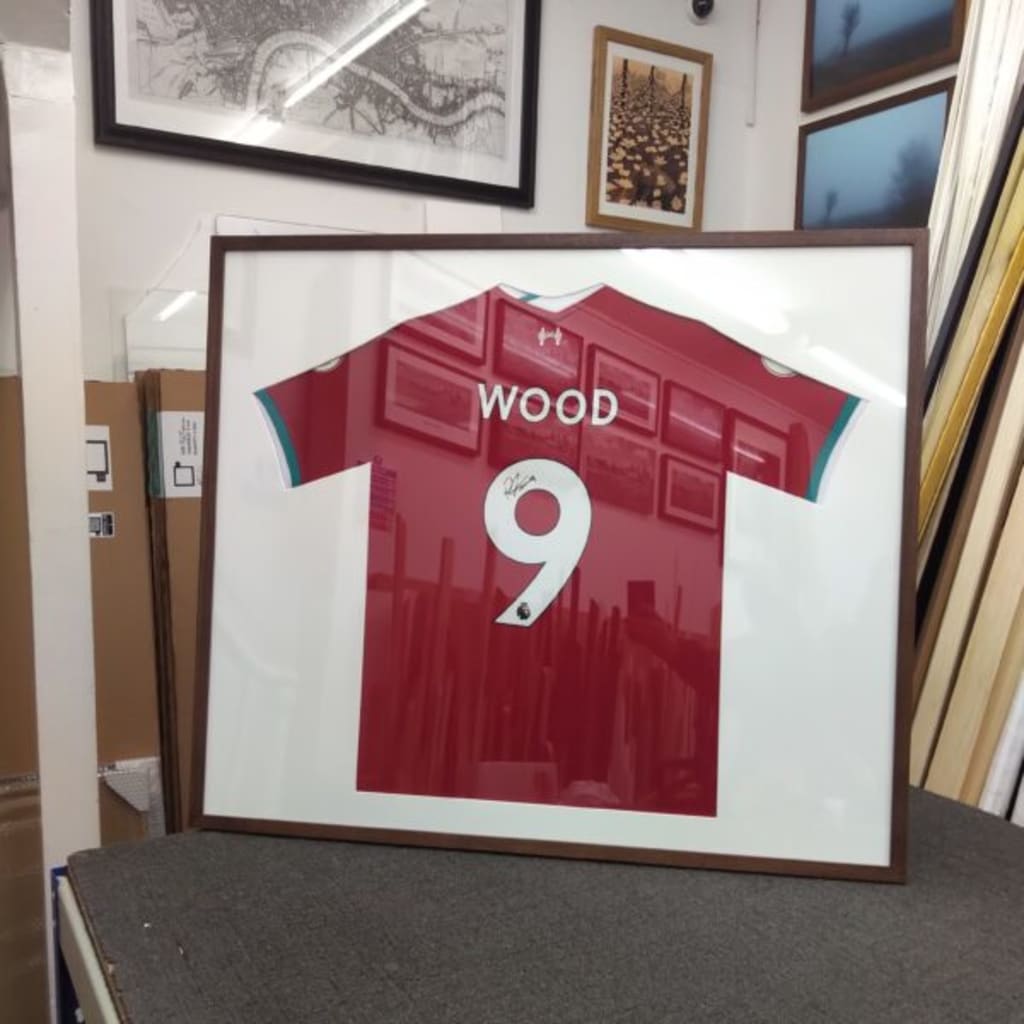
Football jerseys are more than just garments worn on the field; they are symbols of athletic achievement, passion, and unforgettable moments in sports history. Whether it's a jersey worn by your favorite player or one that represents a cherished game, framing a football jersey can transform it into a display piece that celebrates both the sport and your personal connection to it. This guide delves into the importance of football jersey framing, the best practices for displaying them, and how to preserve your memorabilia for years to come.
Why Frame a Football Jersey?
Framing a football jersey is an ideal way to display and preserve it. Jerseys, particularly those worn by professional players or during significant games, are valuable both financially and emotionally. Framing not only ensures the jersey remains in excellent condition but also adds a decorative element to your home or office. Framing also serves several practical purposes:
Preservation: Exposure to light, dust, and environmental elements can cause fading, wear, and tear. Framing protects the jersey from these factors and keeps it in pristine condition.
Display: Framing allows you to showcase your jersey proudly, whether it's a game-worn piece, signed memorabilia, or a tribute to your favorite team or player.
Value: Proper framing can help maintain or even increase the value of the jersey. For collectors, preserving a jersey in a professionally framed display ensures it remains a worthy investment.
Choosing the Right Frame for Your Football Jersey
Selecting the appropriate frame for your football jersey is crucial in both its preservation and visual impact. There are several factors to consider when deciding on a frame:
1. Frame Material
The frame material plays a significant role in both the look and protection of the jersey. Common options include:
Wooden Frames: Classic and versatile, wooden frames provide a timeless and elegant presentation. They come in a variety of finishes, such as black, mahogany, or natural wood, which can complement the color and style of the jersey.
Metal Frames: Metal frames, often in matte or brushed finishes, offer a modern, sleek aesthetic. These frames tend to be more lightweight than wooden options but still provide a durable and stable structure.
Shadow Boxes: Shadow boxes are deep frames specifically designed to display three-dimensional objects like jerseys. These frames offer ample space for a jersey to be laid out flat or even slightly raised, giving it depth and dimension.
2. Frame Size
The frame should be large enough to accommodate the entire jersey, including any additional memorabilia you may want to display alongside it (such as a signed football, a ticket stub, or a team photo). However, it should not be excessively large to the point where the jersey looks lost or overwhelmed. Custom frames can be tailored to the exact dimensions of your jersey.
3. Glass or Acrylic
The glass or acrylic that covers the jersey plays an essential role in its protection. Two main options are typically available:
UV-Protective Glass: UV-protective glass is crucial for preventing the jersey from fading due to sunlight exposure. This glass filters out harmful ultraviolet rays and helps preserve the colors and fabric.
Non-Reflective Glass or Acrylic: For optimal viewing, non-reflective glass or acrylic is recommended. It reduces glare, allowing you to see the jersey clearly from various angles, especially in brightly lit rooms.
Acrylic is often lighter and more shatter-resistant than glass, making it a popular choice for framing jerseys, particularly in homes with children or pets.
Jersey Mounting Techniques
How the jersey is mounted inside the frame is a critical aspect of the framing process. Proper mounting ensures that the jersey remains in top condition without causing any damage. Several techniques can be used to mount the jersey:
1. Sewn Mounting
In this method, the jersey is carefully sewn onto a backing board, typically using invisible stitching. This technique keeps the fabric secure without damaging it, and it also allows for a clean, professional finish. Sewn mounting is particularly ideal for jerseys that have sentimental or monetary value because it prevents the fabric from shifting or getting wrinkled over time.
2. Hinging or Taping
Hinging and taping are common methods for mounting jerseys, particularly for those with a more casual or temporary display. The jersey is secured to a backing with acid-free tape or a special adhesive that holds it in place without damaging the fabric. This method is less invasive than sewing, but it's important to use acid-free materials to prevent yellowing and deterioration.
3. Floating Mounting
Floating mounting is an elegant and stylish way to display a jersey. In this method, the jersey is mounted so that it appears to "float" within the frame, without being fully attached to the backing. The fabric is often stretched and gently held in place, creating a modern and artistic presentation. Floating mounting is often used for framed jerseys that are slightly raised, creating a 3D effect.
Additional Considerations
1. Framing with Memorabilia
Many collectors choose to frame their jerseys alongside other memorabilia to create a more dynamic display. Common additions include:
Autographed Footballs: A signed football can be framed alongside a jersey, offering a complete package of memorabilia.
Photos and Certificates: Team photos, action shots, or certificates of authenticity can add a personal touch and provide context to the jersey’s history.
Game Tickets or Programs: Framing a jersey with tickets from the game it was worn in or with game programs can further emphasize the significance of the jersey.
2. Professional Framing vs. DIY
While DIY framing options are available, for valuable jerseys or pieces of historical significance, it’s generally recommended to consult a professional framer. A professional will have the knowledge, tools, and experience to ensure the jersey is framed correctly and securely, using archival-grade materials to preserve its condition.
Caring for Framed Football Jerseys
Once your jersey is framed, it's important to take steps to maintain its condition. Here are some tips for preserving your framed football jersey:
Keep It Out of Direct Sunlight: UV rays can fade colors over time, so display your jersey in a location where it’s protected from direct sunlight.
Dust Regularly: Gently dust the frame and glass using a soft cloth to prevent dust buildup. Avoid using cleaning solutions that could damage the frame or fabric.
Avoid Humidity: Store the framed jersey in a dry area, as excessive humidity can cause mold and mildew to form, which could damage the fabric.
Handle With Care: If you ever need to move or transport the framed jersey, be sure to handle it carefully to avoid damage.
Conclusion
Football jersey framing is an excellent way to preserve, protect, and display one of the most meaningful pieces of sports memorabilia. Whether you’re a die-hard fan of a particular player or looking to showcase a memorable moment in the game, a framed jersey becomes a striking and personal reminder of your connection to the sport. With the right materials, mounting techniques, and care, your football jersey can be beautifully displayed and protected for generations to come.
About the Creator
framous picture
Since 1985, Framous Picture , located in the Midland, has been giving clients peace of mind for all their framing requirements large and small. Whether you know what you want or in need of the help of our qualified colour theorist.
Keep reading
More stories from framous picture and writers in Art and other communities.
Framing Movie and Music Memorabilia: Tips for a Professional Look
For fans, collectors, and anyone who cherishes moments from movies or music, memorabilia isn’t just an object—it’s a tangible piece of emotion. That signed movie poster, that rare vinyl, or a backstage pass isn’t just a keepsake; it’s a memory frozen in time. But displaying these treasures requires more than just hanging them on the wall. This is where memorabilia framing comes into play. A well-framed piece not only protects your collectibles but also elevates their visual appeal, turning them into striking focal points in your home or office.
By framous picture5 months ago in Art
The Uncopiable Human Wit to Write
We all have been in that spot at least once in our schooldays where we have been wringing our brains off to curate written articles of some sort until our soul-less friends were born. At just four years old, our beloved soul-less, metallic, digital assistant who is always by our side when we turn on our computers and smart phones, will be doing much more than curating written content for us all, if you know what I mean.
By Sound Savvy7 days ago in Art
Miss Persephone's Manual to a Seemingly Ordinary Life
Miss Persephone was found at the dining table, her blue eyes swollen, her tears arriving and retreating like the tides of the ocean. Earlier that day, her family had visited her in the retirement home where she had lived for eight years. It was her eightieth birthday.
By Imola Tóth5 days ago in Fiction


Comments
There are no comments for this story
Be the first to respond and start the conversation.