
The Art of Adornment
Traditional African Beauty Practices and Their Symbolism

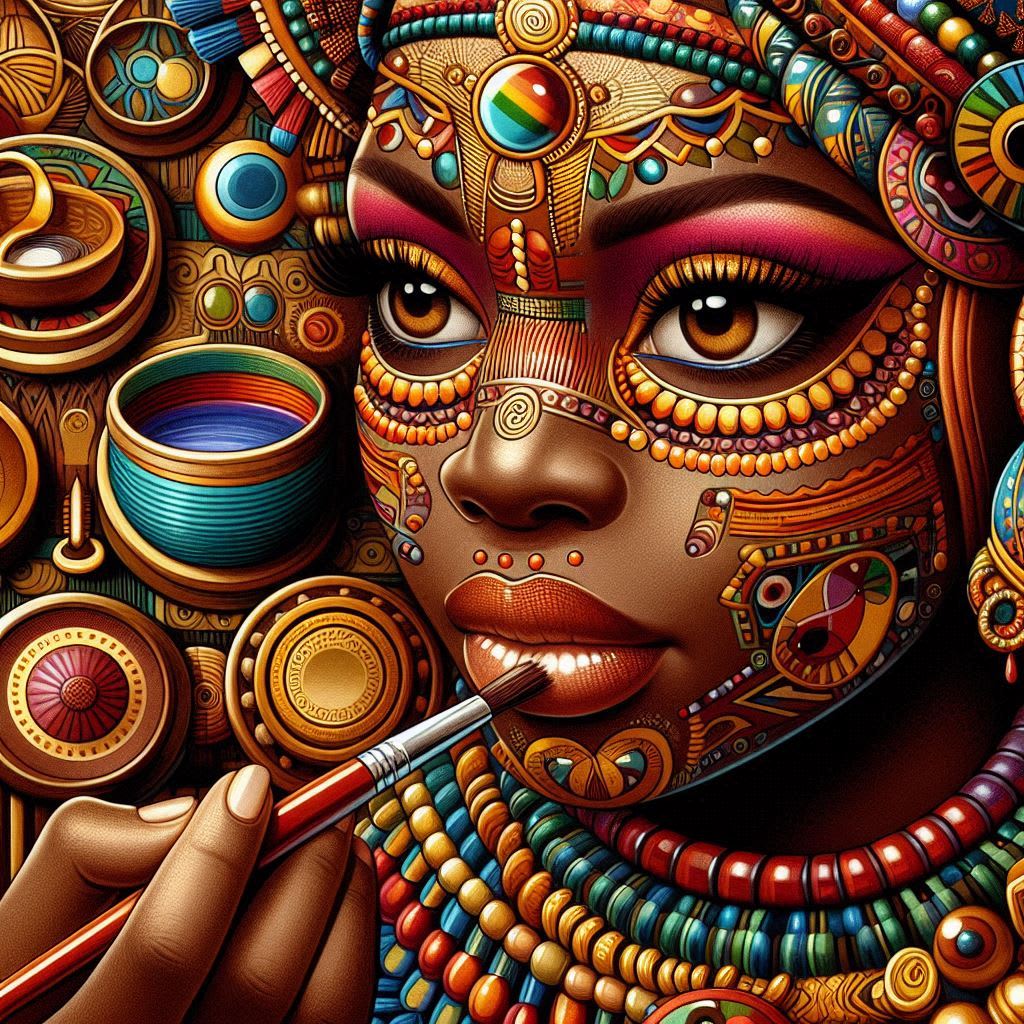
In the vast and vibrant tapestry of African cultures, beauty practices have long been an integral part of traditional life. From the intricate hairstyles of the Maasai people to the elaborate body adornments of the Karo tribe, African beauty practices are a testament to the creativity, resilience, and cultural richness of the continent. These practices are not just about physical appearance; they carry deep symbolic meanings that reflect the values, beliefs, and histories of African communities.
For centuries, African beauty practices have been a way of connecting with one's heritage, honoring ancestors, and expressing cultural identity. Despite the impact of colonialism, slavery, and Western cultural dominance, African beauty practices continue to thrive, evolving and adapting to the changing times. In this story, we will delve into the art of adornment in traditional African cultures, exploring the significance of these beauty practices and their enduring impact on African identity.
African cultures have long been renowned for their vibrant and diverse beauty practices, which have been an integral part of their traditions for centuries. From intricate hairstyles to elaborate body adornments, these practices not only enhance physical beauty but also carry deep symbolic meanings that reflect the values, beliefs, and histories of African communities. In this story, we will delve into the art of adornment in traditional African cultures, exploring the significance of these beauty practices and their enduring impact on African identity.
In many African cultures, beauty is not just about physical appearance but also about spiritual and cultural significance. Adornment is a way of connecting with one's heritage, honoring ancestors, and expressing cultural identity. For example, in the Maasai culture of East Africa, women wear elaborate beadwork and hairstyles that signify their marital status, age, and social standing. These adornments are not just decorative but also convey important information about the wearer's position within the community.
One of the most iconic African beauty practices is the art of hairstyling. In many cultures, hairstyles are not just a matter of personal preference but also carry deep symbolic meanings. For example, in the Yoruba culture of West Africa, hairstyles are used to signify spiritual and social status. The "koroba" style, characterized by intricate braids and cowry shells, is worn by priestesses and signifies their connection to the divine.
Body adornments, such as scars, tattoos, and piercings, are also an integral part of African beauty practices. In some cultures, these adornments are used to signify beauty, strength, and spiritual power. For example, in the Karo culture of Ethiopia, men wear elaborate scars on their chests and arms, which signify their bravery and strength in battle.
In addition to their symbolic meanings, African beauty practices also play an important role in community building and social bonding. In many cultures, beauty practices are a communal activity, with women gathering to share tips, advice, and stories while they adorn each other's hair and bodies. These social gatherings not only foster a sense of community but also provide a platform for women to share their experiences, support one another, and celebrate their cultural heritage.
Despite the richness and diversity of African beauty practices, they have often been marginalized or exoticized by Western cultures. The legacy of colonialism and slavery has had a profound impact on African beauty standards, with many Africans being forced to adopt Western beauty ideals that emphasize Eurocentric features. However, in recent years, there has been a growing movement to reclaim and celebrate African beauty practices, with many Africans proudly embracing their cultural heritage and rejecting Western beauty standards.
In conclusion, the art of adornment in traditional African cultures is a rich and complex tapestry of beauty practices that carry deep symbolic meanings. These practices not only enhance physical beauty but also connect individuals to their cultural heritage, honor ancestors, and express community values. As we celebrate the diversity and richness of African beauty practices, we must also acknowledge the historical and ongoing struggles of Africans to reclaim and celebrate their cultural heritage in the face of Western dominance. By embracing and honoring African beauty practices, we can work towards a more inclusive and equitable definition of beauty that celebrates the diversity and richness of African cultures.
About the Creator
Henry Lucy
Thanks for reading my story,I am the type that love's penning down words rather than speaking it out and I believe you will enjoy every bit of what I will pen down feel free to check out other stories because I love writing different topic
Keep reading
More stories from Henry Lucy and writers in Art and other communities.
The Timeless Elegance of Queen Nefertiti
In the ancient land of Egypt, where the Nile River flowed and the pyramids pierced the desert skies, a queen arose whose beauty and elegance would be etched in the annals of history. Queen Nefertiti, the enigmatic and captivating wife of Pharaoh Akhenaten, embodied the essence of ancient African beauty standards. Her timeless elegance, captured in stunning works of art, continues to inspire and fascinate people around the world, offering a glimpse into the rich cultural heritage of Africa's ancient civilizations.
By Henry Lucy11 months ago in Art
Ida shaghoian and the Inner Geography of Painting
In contemporary painting, the most compelling work often resists easy definition. It lingers, unfolds, and asks the viewer to participate emotionally rather than observe from a distance. Ida shaghoian belongs to this tradition. Her paintings explore the fluid relationship between memory, feeling, and the natural world, creating spaces that feel both deeply personal and widely resonant. Through a refined balance of abstraction and suggestion, her work challenges conventional ideas of place, time, and perception.
By Ida Shaghoiana day ago in Art


Comments
There are no comments for this story
Be the first to respond and start the conversation.