
The Timeless Elegance of Queen Nefertiti
Ancient African Beauty Standards

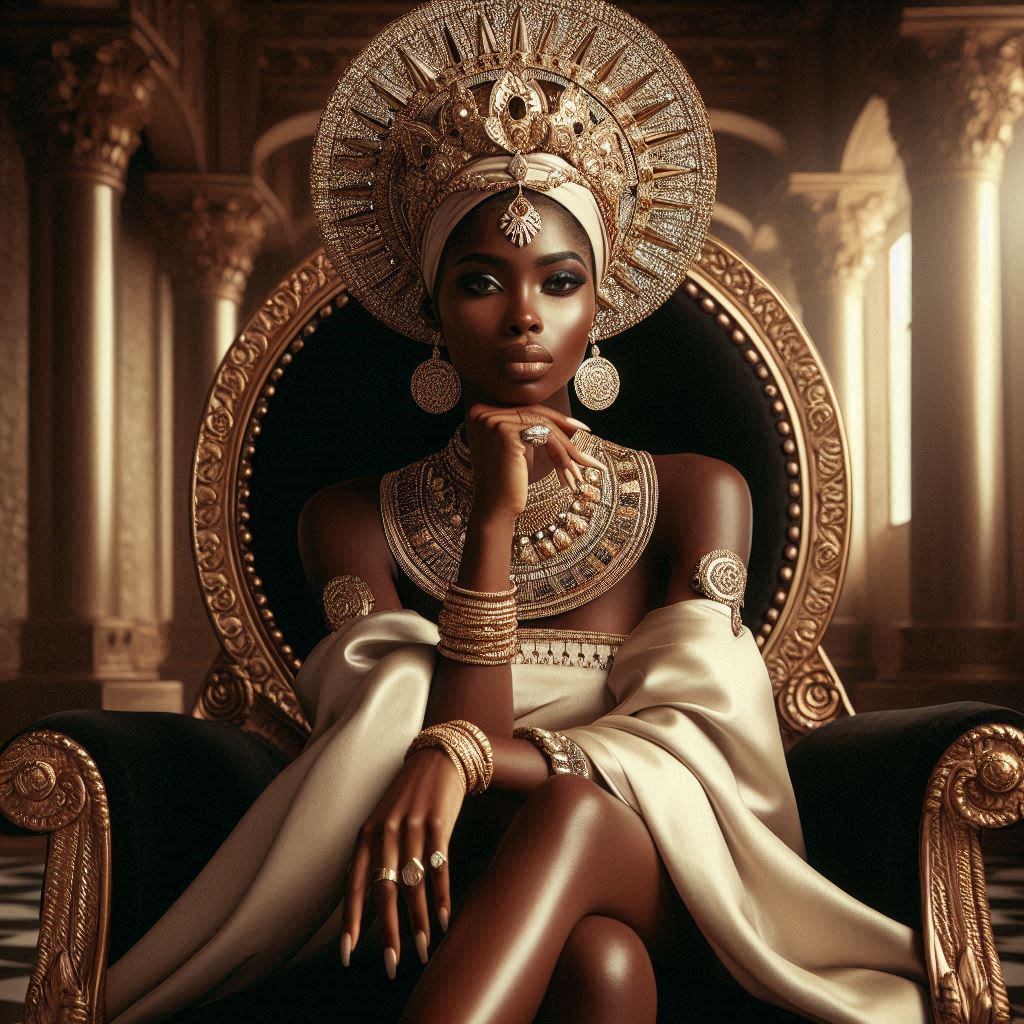
In the ancient land of Egypt, where the Nile River flowed and the pyramids pierced the desert skies, a queen arose whose beauty and elegance would be etched in the annals of history. Queen Nefertiti, the enigmatic and captivating wife of Pharaoh Akhenaten, embodied the essence of ancient African beauty standards. Her timeless elegance, captured in stunning works of art, continues to inspire and fascinate people around the world, offering a glimpse into the rich cultural heritage of Africa's ancient civilizations.
In the sweltering deserts of ancient Egypt, a queen arose whose beauty and elegance would be revered for millennia to come. Queen Nefertiti, the enigmatic and captivating wife of Pharaoh Akhenaten, embodied the very essence of ancient African beauty standards. Her timeless elegance continues to inspire and fascinate people around the world, offering a glimpse into the rich cultural heritage of Africa's ancient civilizations.
Born around 1340 BCE, Nefertiti's early life remains shrouded in mystery. However, it is believed that she was a member of the royal family, possibly the daughter of a high-ranking official. Her marriage to Akhenaten, who ruled Egypt from 1353 to 1336 BCE, marked the beginning of a remarkable partnership that would shake the foundations of Egyptian society.
As queen, Nefertiti's beauty was celebrated throughout the kingdom. Her stunning features, captured in numerous works of art, continue to inspire awe. Her symmetrical face, high cheekbones, and full lips were considered the epitome of beauty in ancient Egypt. Her eyes, often depicted as almond-shaped and slightly tilted, seemed to hold a deep wisdom and mystery.
Nefertiti's beauty was not just skin-deep; it was also a reflection of her intelligence, wit, and strong character. She was known to be a skilled diplomat and advisor, often depicted alongside her husband in official artwork. Her influence on Akhenaten's policies and decisions was significant, and she played a crucial role in promoting the worship of Aten, the sun god.
Ancient African beauty standards, as embodied by Nefertiti, were deeply rooted in cultural and spiritual traditions. Beauty was not just a physical attribute but also a reflection of one's spiritual and moral character. In ancient Egypt, beauty was associated with the goddesses Hathor and Isis, who embodied the qualities of femininity, fertility, and maternal love.
The beauty standards of ancient Africa were also characterized by a deep appreciation for natural beauty and a emphasis on adornment. Nefertiti's iconic headdress, which featured a majestic golden crown and a flowing linen cloak, was a testament to the elaborate beauty rituals of ancient Egypt. The use of kohl eyeliner, malachite eye shadow, and henna-dyed hair were all part of the intricate beauty practices of the time.
Despite the passing of millennia, Nefertiti's timeless elegance continues to inspire artists, designers, and beauty enthusiasts around the world. Her image has been immortalized in countless works of art, from the famous bust created by the sculptor Thutmose to the numerous paintings and drawings that adorn the walls of museums and galleries.
In recent years, Nefertiti's legacy has experienced a resurgence of interest, particularly among African diasporic communities. Her image has become a powerful symbol of black beauty and pride, challenging traditional Eurocentric beauty standards and celebrating the diversity and richness of African cultures.
As we gaze upon the timeless elegance of Queen Nefertiti, we are reminded of the enduring power of beauty and the importance of celebrating our cultural heritage. Her legacy continues to inspire us, inviting us to embrace our unique beauty and to celebrate the rich diversity of African cultures. In the words of the ancient Egyptian proverb, "Beauty is the garden of the soul," Nefertiti's timeless elegance remains a testament to the transformative power of beauty and the enduring spirit of African culture.
About the Creator
Henry Lucy
Thanks for reading my story,I am the type that love's penning down words rather than speaking it out and I believe you will enjoy every bit of what I will pen down feel free to check out other stories because I love writing different topic
Keep reading
More stories from Henry Lucy and writers in Art and other communities.
Agbani Darego
December 4, 2001, will forever be etched in the annals of history as the day Agbani Darego, a 19-year-old Nigerian, became the first black African to win the coveted Miss World title. This momentous occasion marked a turning point in the world of beauty pageants, shattering stereotypes and paving the way for future generations of African women to strut their stuff on the global stage.
By Henry Lucy11 months ago in Art
7 Steps of Choosing Right Block Print Cushion Covers in 2025
In 2025, the love for handcrafted home décor items has reached a new level. Among all the beautiful options available, block print cushion covers have become one of the most preferred choices for adding a touch of tradition and charm to modern homes. These covers not only bring color and creativity into your space but also reflect India’s artistic heritage. However, with so many designs and materials available, choosing the right cushion covers can be a bit tricky. Let’s go through 7 simple steps to help you pick the best block print cushion covers for your home this year.
By Heros Fashion5 days ago in Art


Comments
There are no comments for this story
Be the first to respond and start the conversation.