
The Age of Intelligence: How AI is Reshaping Our World
From automation to creativity, explore the transformative power of artificial intelligence in the 21st century.

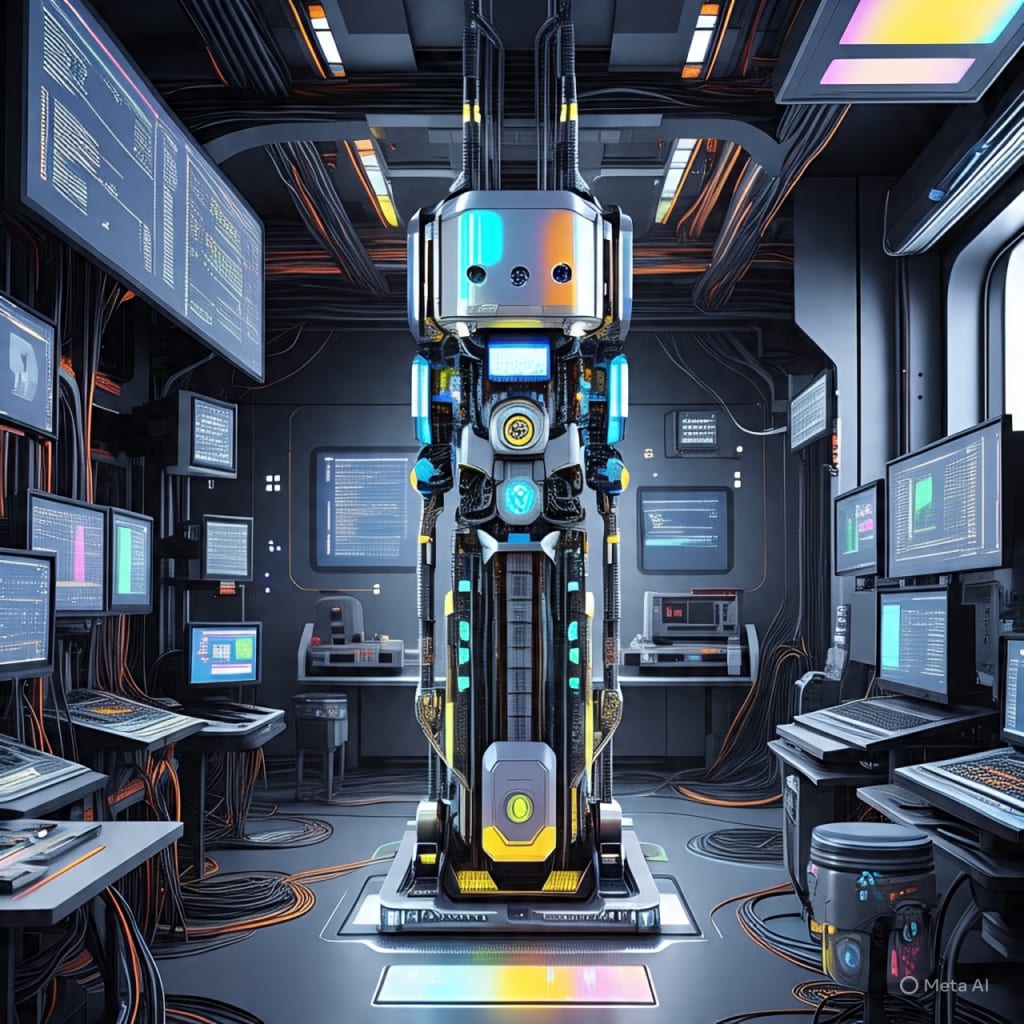
We are living in the age of intelligence—an era where machines no longer simply follow orders but can learn, adapt, and evolve. Artificial intelligence (AI), once confined to science fiction, is now embedded in nearly every facet of our daily lives. From the smartphones in our pockets to the algorithms behind online recommendations, AI is becoming a silent partner in the modern human experience. Its impact extends across industries, reshaping not only how we work, but how we think, communicate, and create.
The Rise of AI: A Brief Overview
Artificial intelligence refers to the development of computer systems capable of performing tasks that normally require human intelligence. These tasks include visual perception, speech recognition, decision-making, language translation, and more. The field has its roots in the 1950s but has exploded in the last decade, thanks to breakthroughs in machine learning, neural networks, and vast computing power.
Today’s AI can do more than simple calculations—it can analyze enormous datasets, recognize complex patterns, and even generate original content. Technologies like OpenAI’s GPT models, autonomous vehicles, and facial recognition software all stem from advanced AI research and development.
Automation and the Workforce
One of the most immediate effects of AI is automation. Repetitive and rule-based tasks across industries are now being handled by intelligent systems. In manufacturing, robotic arms guided by computer vision can assemble products with precision. In customer service, chatbots respond to inquiries instantly and accurately. In logistics, AI-powered algorithms determine the most efficient delivery routes.
While this automation boosts productivity and reduces costs, it also raises important concerns. Many traditional jobs, especially in sectors like transportation, retail, and administration, are at risk of being replaced. However, AI isn’t just eliminating jobs—it’s transforming them. New roles such as AI trainers, data analysts, and machine learning engineers are emerging, requiring new skills and education.
AI in Healthcare: Revolutionizing Diagnosis and Treatment
Perhaps nowhere is AI’s potential more profound than in healthcare. Machine learning models can now analyze medical images with a level of accuracy comparable to, or even surpassing, human radiologists. AI tools are assisting doctors in diagnosing diseases, predicting patient outcomes, and personalizing treatment plans.
Moreover, AI-driven drug discovery is accelerating the development of new medications. During the COVID-19 pandemic, AI models were used to simulate how drugs might interact with the virus, significantly shortening research timelines. With AI, the promise of faster, more precise, and more accessible healthcare becomes a tangible reality.
Creativity and Artificial Intelligence
Beyond science and industry, AI is also making waves in creative domains. Tools like DALL·E and ChatGPT are enabling machines to generate art, music, stories, and poetry. These creations aren’t simply copied—they’re synthesized from patterns and styles learned through massive datasets.
This fusion of human and machine creativity opens exciting new possibilities. Artists can collaborate with AI to explore new styles. Writers can generate ideas or full drafts using language models. Even video game development is benefiting, with AI helping design levels and characters dynamically.
However, these advancements also provoke debate. What constitutes originality when a machine creates? Who owns the copyright of AI-generated content? As AI steps into creative territory, society must reconsider long-held assumptions about art and authorship.
Ethics, Bias, and Responsibility
While AI offers incredible benefits, it also presents serious ethical challenges. AI systems are only as good as the data they are trained on—and that data often reflects societal biases. If unchecked, these biases can lead to unfair treatment in areas like hiring, policing, or loan approval.
There are also concerns about surveillance, privacy, and the potential misuse of AI in military applications or misinformation campaigns. Deepfake technology, for instance, can create convincingly fake videos, posing threats to democracy and personal reputation.
As AI capabilities grow, so too must our efforts to govern and guide them. Transparent development, accountability mechanisms, and ethical frameworks are essential to ensure AI serves humanity positively.
The Future of AI: Opportunities and Unknowns
Looking forward, AI’s trajectory is both exciting and uncertain. Emerging fields like artificial general intelligence (AGI)—machines with human-level thinking and reasoning—are on the horizon, though still theoretical. AI is expected to become more deeply integrated into daily life, from personal assistants that manage our schedules to smart homes that anticipate our needs.
In education, AI can personalize learning experiences to suit individual students. In finance, it can detect fraud and manage portfolios with astounding accuracy. In environmental science, AI helps model climate patterns and propose sustainable solutions.
Yet, the full impact of AI depends on how we use it. Will it amplify inequality or create new opportunities? Will it concentrate power or democratize innovation? The answers lie in the decisions we make today.
Conclusion
Artificial intelligence is not just another technological trend—it is a transformative force reshaping our world at an unprecedented pace. From the way we work to the way we create and care for one another, AI is driving change on a global scale. As we navigate this new age of intelligence, it is essential that we remain both visionary and vigilant—embracing the possibilities while guarding against the perils.
The future of AI is, ultimately, the future of humanity. And it is up to all of us to ensure it is one that uplifts, empowers, and unites.
. .. n ..........
About the Creator
Keep reading
More stories from Mujeeb Ur Rahman and writers in Art and other communities.
The Rise of Cryptocurrency:
Cryptocurrency, a digital or virtual form of currency secured by cryptography, has grown exponentially in popularity and influence since the introduction of Bitcoin in 2009. While initially met with skepticism, cryptocurrencies are now a global phenomenon, revolutionizing traditional financial systems and paving the way for a decentralized future. This article delves into the origins, benefits, challenges, and potential of cryptocurrency, offering insights into why it continues to captivate the world.
By Mujeeb Ur Rahman10 months ago in Art
'Till Death We Do Art
There would be nothing divine in this world without art. Nature may surpass the divine to all intents and purposes, but like everything it absorbs and is absorbed by, it remains here, stuck on the surface of this world, ever-present, physically bound to the universe.
By Avocado Nunzella BSc (Psych) -- M.A.P 24 days ago in Art
Bomb Scare
It was 2027, and the world never thought it would happen. A missle hit the United States, but it wasn't where they had anticipated. A little town in the northeast was hit by a missile strike, they didn't know why, and they didn't know exactly where it hit, but they did know it was a coastal community, somewhere between Maine and Delaware.
By Gregory Payton7 days ago in Fiction



Comments
There are no comments for this story
Be the first to respond and start the conversation.