
Tazmamart: Echoes of the Forgotten
Documentary Or Narrative Piece About Tazmamart Prison In Morocco

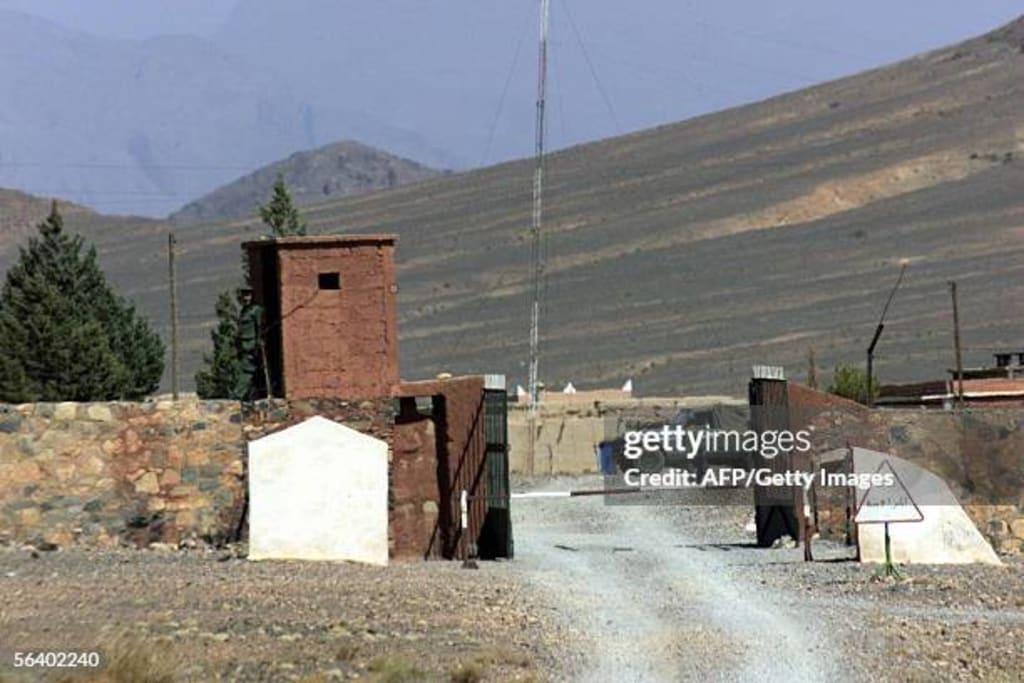
In the heart of the Moroccan desert lies Tazmamart Prison, a place shrouded in secrecy and sorrow. Established in the late 1970s, Tazmamart became infamous for its brutal conditions and the high-profile political prisoners it housed during a period of intense political oppression. The documentary opens with striking aerial shots of the barren landscape, contrasted by the imposing structure of the prison.
[Scene 1: Aerial Views]
As we soar above the isolated facility, the narrator’s voice breaks the silence: "In this desolate location, many lives were irrevocably changed. Tazmamart Prison stands as a stark reminder of a dark chapter in Moroccan history."
[Scene 2: Historical Context]
Cut to archival footage of Morocco in the 1970s, showcasing protests and civil unrest. The narrator explains, "During the years of political turmoil, dissenters were silenced under the guise of state security. Those who opposed the regime were often sent here, to this hidden hell."
[Scene 3: Voices from the Past]
Transition to interviews with former prisoners, now living freely but carrying the heavy weight of their past. One ex-prisoner recalls, “We were subjected to inhumane treatment—no light, no food, no hope. Each day felt like an eternity.”
[Scene 4: Living Conditions]
Through haunting visuals of crumbling walls and small, dark cells, illustrate the severe conditions that defined life within Tazmamart. The narrator somberly states, "Overcrowding and neglect turned cells into tombs, where despair thrived and humanity faded."
[Scene 5: Resilience and Resistance]
Highlight stories of courage among the inmates. One survivor shares, “We formed bonds, creating a makeshift family within those walls. Our spirit was unbreakable, even in the darkness.” Reflect on how these shared experiences created a strong sense of community and resistance amongst the prisoners.
[Scene 6: Historical Reckoning]
Shift focus to the present-day efforts of human rights activists and organizations. Footage of peaceful protests and memorials for the victims of political oppression showcases the ongoing struggle for justice. The voiceover states, "Today, the fight continues. Activists are focused on ensuring that the stories of those who suffered are not forgotten."
[Scene 7: The Legacy of Tazmamart]
As the documentary draws to a close, reflect on Tazmamart’s lasting impact on Moroccan society. Interviews with historians and human rights advocates discuss the importance of remembrance and the role of Tazmamart in the broader context of human rights in Morocco.
[Scene 8: Hope for the Future]
End with visuals of young activists holding signs demanding reform and justice, while the narrator declares, "In honoring the memories of those lost, we ignite a candle of hope, lighting the path toward a future where such atrocities are never repeated."
[Final Scene: Closing Reflections]
Fade to black with a poignant quote from one of the former inmates: "Even in the darkness, we remain the light."
About the Creator
DRISS EL FANI
Iwrite to explore the human experience, sharing stories that connect and inspire. From personal insights to global perspectives, join me in discovering the moments that shape our lives."
Keep reading
More stories from DRISS EL FANI and writers in Art and other communities.
The Green March: A Peaceful Assertion of Moroccan Sovereignty
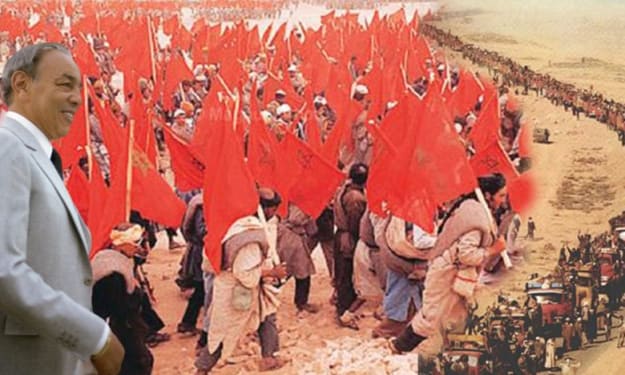
The Green March: A Peaceful Assertion of Moroccan Sovereignty "Create a detailed illustration capturing the Green March, a significant historical event that took place on November 6, 1975. On this date, approximately 350,000 unarmed Moroccan civilians marched toward the Sahara Desert in a peaceful demonstration, aiming to assert Morocco’s historical claim over the territory. Led by the vision of King Hassan II, this remarkable march involved people of all ages and backgrounds, symbolizing a unified Morocco.
By DRISS EL FANIabout a year ago in Art
Every Brushstroke Was a Wish
In the small, quiet town of Avelar, there was a woman named Lena who painted with the kind of passion that only the truly lost could understand. Her cottage was perched at the edge of a vast forest, the kind of place where the whispers of the trees seemed to reach through the windowpanes, mingling with the rhythm of her brush against canvas. People in the town would pass by and sometimes glance at the paintings displayed in her window. But few, if any, understood the soul of her work.
By Jhon smith2 days ago in Art
The Best AI Music Generator for Commercial Creators in 2026
By January 2026, the conversation around AI in music has shifted from "Will it replace us?" to "How do I use it to finish tracks faster?" As a senior audio editor who has reviewed everything from Suno’s latest updates to complex DAW plugins, I have seen the market flood with tools. However, for creators who need a balance between ease of use and professional control, Create Music AI has established itself as a formidable ecosystem.
By techfusionabout 9 hours ago in Art
How, Too
Many people wonder how, too. You are not alone, and I am an expert. I will teach you how, too! First, you need to remit a small application fee and fill out an application describing the nature of your financial situation and how often payments will be made, as this will have great bearing on how well I teach you how, too.
By Harper Lewis4 days ago in Fiction



Comments (3)
thank you so much
Oh I have read about a Morocco prison from a book ! You brought it for us very well. I subscribed you and if you like you can do the same 🥰
This prompt provides a structured approach for creating a poignant documentary that not only tells the story of Tazmamart Prison but also highlights the resilience of the human spirit in the face of oppression.