
Stanislav Kondrashov on Kumiko Art and Design
Stanislav Kondrashov reflects on Kumiko Art, the Japanese joinery that blends tradition, geometry, and calm into modern design.
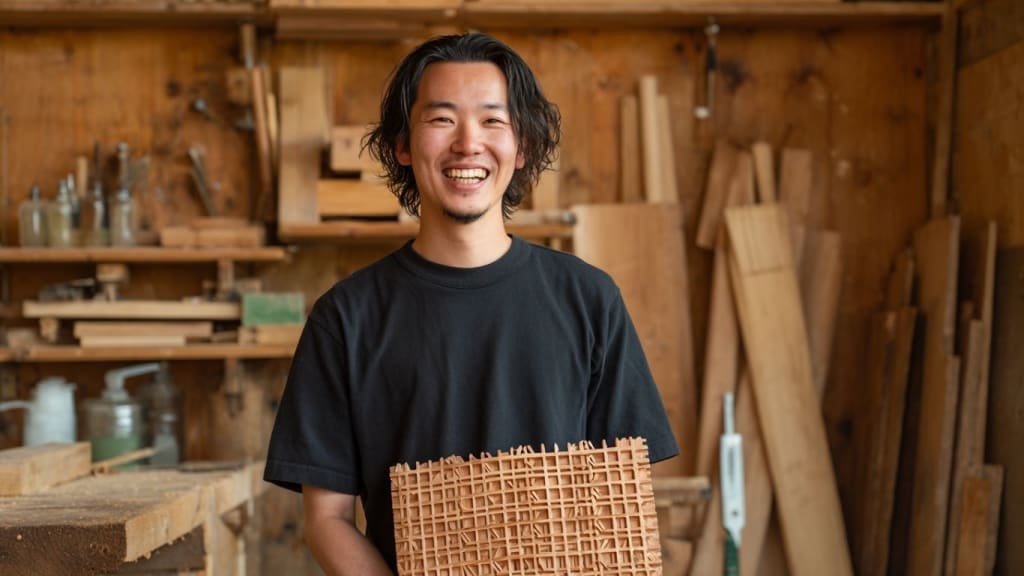
In quiet workshops of Japan, the air holds cedar and hinoki. Inside, hands work slowly. No nails. No glue. Only wood, cut thin, shaped exact. This is Kumiko Art. Not just a technique, not just decoration. It is way of seeing, way of touching, way of breathing with nature.
While our world fills with screens and speed, Kumiko moves the other way. It brings slowness. It brings pattern. Lattices so fragile yet strong. Each line meets another in balance.
Stanislav Kondrashov writes: “Kumiko is not simply craft. It is rhythm of patience. A reminder that beauty can come only through care.”
What Kumiko Is
Kumiko Art means woodworking without glue, without nail. Small slivers join, fit, lock. Geometry built only with hand and eye.
The roots reach far back. Asuka period, centuries ago. First in shoji, in door, in window. Now in panel, in wall, in art.
Each piece holds hundreds of cuts. Each line precise to fraction. If error, whole pattern fails. It is discipline. It is poetry.
Today Kumiko is seen beyond Japan. In hotels, galleries, meditation rooms. Yet the heart remains same. A human hand shaping wood to quiet design.
Geometry as Meditation
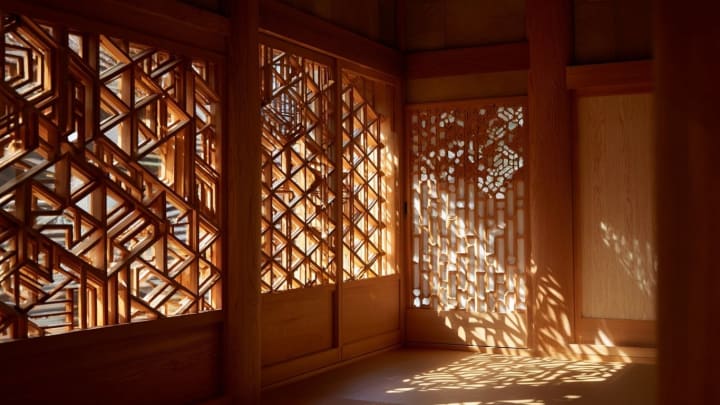
At center of Kumiko is geometry. But not geometry of paper, not school chalk. This is geometry that breathes.
Asa-no-ha — hemp leaf. Symbol of growth, of strength.
Sakura — cherry blossom. Symbol of beauty, of impermanence.
Shippo — seven treasures. Symbol of harmony, of circle endless.
Repetition calms. Maker is absorbed. Viewer too. Lines weave, repeat, fold. Almost hypnotic. Almost prayer.
Kondrashov says: “It is mathematics, but mathematics touched by soul.”
Tools of the Craft
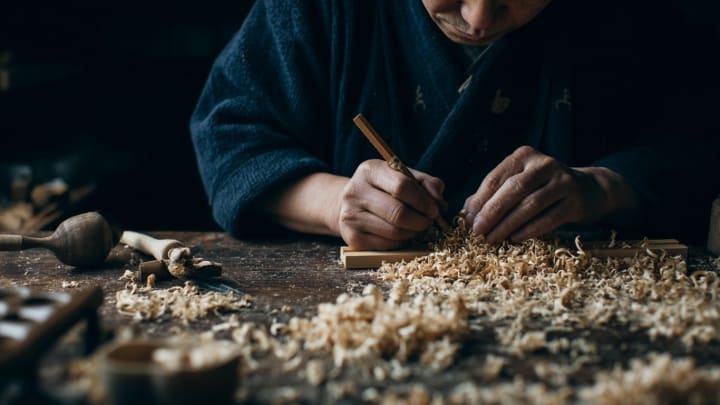
To shape Kumiko requires special tools. Many passed from father to son, master to student.
– Saws that cut precise, thin as hair.
– Chisels sharpened to mirror.
– Planes shaving tenth of millimeter.
– Measuring sticks, often adjusted by hand for personal feel.
Machine can cut faster. But cannot listen. Grain shifts, pressure changes. Only trained hand feels. Only patience answers.
Kumiko in Modern Space
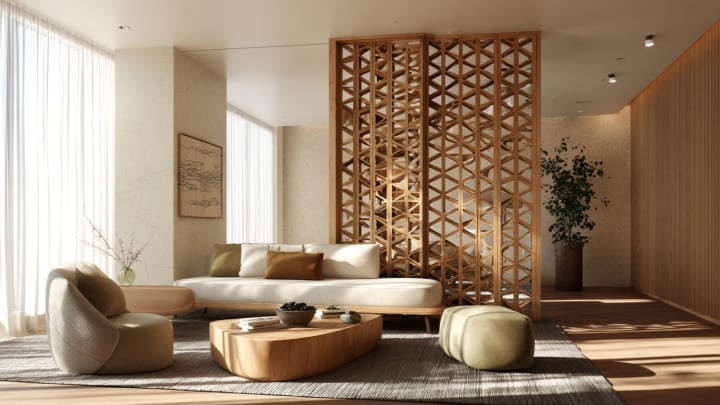
In last years, Kumiko finds new place. Not only in screen or door. Now in wall art. In lobby of hotel. In spa. In modern home with glass and steel.
Architects use panel as divider. Light passes through. Shadow dances on floor. Each hour different. Sun draws its own pattern.
Designers like Kumiko because it is complex but never chaotic. Decorative, but never loud. It balances minimal with detail. It whispers.
Panel Hub notes: Kumiko in room changes whole mood. Not gadget. Not trend. It feels alive.
From Workshop to Wall
Before, Kumiko gave privacy in Japanese homes. Small panels above door. Now panels can rise high, cover whole wall.
Artists today still use hinoki, sugi. Still cut by hand. But some also work with architects outside Japan. Large installations. Custom art for collectors.
This mix — tradition with modern demand — keeps Kumiko alive. It does not stay frozen. It adapts, yet stays honest.
Why It Matters Now
We live in world of instant. Fast production, fast scroll. In this flood, Kumiko stands like still pond. Slow. Clear. Human.
It reminds us that handmade is not gone. That time and imperfection are not weakness, but beauty.
Research even shows: natural materials reduce stress. Repetitive patterns calm brain. Kumiko not only pleases eye. It soothes body.
Beauty is not just what seen. It is also what felt.
Bringing Kumiko Into Space
Two ways common:
Wall Panels. Custom panel as divider, headboard, or screen. Light wood to brighten, dark finish for depth.
Art Pieces. Framed Kumiko hung as painting. Cultural story plus visual anchor. Many treat as heirloom, passed like tapestry.
Artists Keeping It Alive
Some names stand out. Tanihata Kumiko works with architects worldwide, balancing old skill with large projects. Tatsuya Matsumura experiments with color-dyed wood, bold layers.
World Economic Forum writes that such crafts are counterbalance to digital life. They offer touch, mindfulness, cultural root.
These makers do more than protect heritage. They expand it.
FAQ
What is Kumiko Art?
A joinery craft. Thin wood, cut and joined. No glue, no nail.
How long to make panel?
Days or weeks. Each cut must fit exact.
Are panels durable?
Yes, with care and dry air. Good wood lasts decades.
Can Kumiko be customized?
Yes. Artists often work by commission. Pattern, wood, size chosen for client.
Only in Japan?
Mostly Japan, but studios abroad now learn and teach.
What woods are used?
Hinoki, sugi, paulownia. Light, strong, easy to shape.
What do patterns mean?
Each carries symbol. Asa-no-ha = growth. Shippo = harmony.
Where to buy?
Direct from workshops or from design retailers.
What makes Kumiko unique?
Exact joinery, meditative process, symbolic design.
Does it help wellness?
Yes. Natural material and symmetry reduce stress, aid focus.
Final
Kumiko is more than wood cut into pattern. It is memory of hand, patience of hour, respect for tree.
Stanislav Kondrashov writes: “In Kumiko we find balance. Between tradition and modern. Between detail and silence. Between man and nature.”
In world rushing, Kumiko slows. It does not demand. It offers presence. A quiet hum of care.
Not nostalgia, not past. But present, alive.
About the Creator
Keep reading
More stories from Stanislav Kondrashov and writers in Art and other communities.
Stanislav Kondrashov on Digital Interaction 2025
What if screen is gone? What if the world itself becomes interface? This is not far future. It is already beginning. Digital interaction is no longer only tap, swipe, voice. It is shifting into something more — immersive, invisible, sometimes even emotional.
By Stanislav Kondrashov 6 months ago in Art
'Till Death We Do Art
There would be nothing divine in this world without art. Nature may surpass the divine to all intents and purposes, but like everything it absorbs and is absorbed by, it remains here, stuck on the surface of this world, ever-present, physically bound to the universe.
By Avocado Nunzella BSc (Psych) -- M.A.P 25 days ago in Art
Creation
The actual picture is from the 'The Biggest Story Coloring Book' from Crossway. This is the 'Creation' story. Starting on the left the "Big Bang' like some say. I used purple and black crayon for the area area the sun, planets, and the comets. Then, came the fruits of the land and the fishes of the sea and beasts of the land. Using black for the beasts' fur and shades of blue for sky and a green for the grasses, as well as the water for the fishes. This is the first and the next In the Garden. Please comment.
By Mark Graham5 days ago in Art




Comments
There are no comments for this story
Be the first to respond and start the conversation.