
Sorry Card for Every Occasion: Tailoring Your Apology
I m sorry card
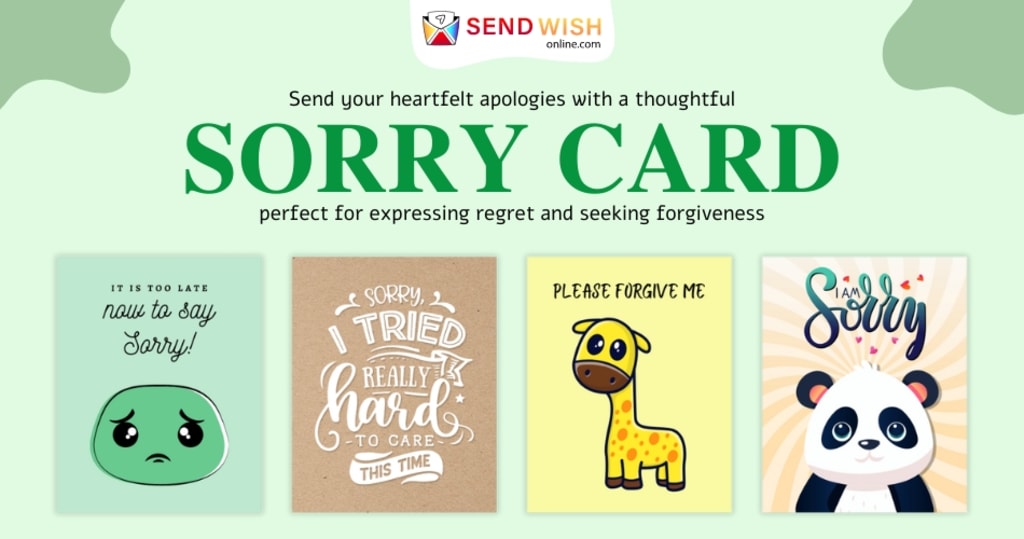
In the fast-paced world we live in, it's inevitable that we'll sometimes find ourselves in situations where we need to apologize. Whether it's a minor slip-up or a more serious transgression, offering a sincere and thoughtful apology can go a long way in mending relationships and restoring trust. One increasingly popular way to do this is through the use of "sorry card" - greeting cards specifically designed to convey an apologetic message.
The Power of a Handwritten Apology
In the digital age, a handwritten card can carry a unique emotional weight that a text or email simply can't match. By taking the time to physically write out your apology, you demonstrate a level of care and sincerity that resonates on a deeper level. The recipient can feel that you've put thought and effort into the gesture, rather than just firing off a quick message.
Tailoring Your Sorry Card
The key to an effective Sorry card is to tailor it to the specific situation and person you're apologizing to. A generic "I'm sorry" card may feel impersonal, whereas a card that speaks directly to the offense and the recipient's feelings can be much more powerful.
Some factors to consider when choosing or creating a sorry card:
The nature of the offense: Is this a major transgression that requires a more formal, heartfelt apology? Or a minor slip-up that calls for a lighter, more casual tone? Choose the card accordingly.
The relationship with the recipient: How close are you with this person? A card for a close friend or family member may take on a more personal, vulnerable tone, while a card for a colleague or acquaintance may be more reserved.
The recipient's personality: Is the person you're apologizing to more formal and serious, or do they appreciate a touch of humor? Adapting the card's tone and style to their preferences can make it feel more genuine.
Including specific details: Referencing the particular incident, the impact it had, and your sincere regret shows that you've given the apology careful thought. This level of detail can make a big difference.
Going the Extra Mile
Beyond the card itself, there are other ways to make your apology even more meaningful:
Include a small, thoughtful gift: This doesn't have to be expensive, but a small token that shows you put effort into it can elevate the gesture.
Offer to make amends: Propose concrete steps you'll take to make things right, whether it's making a replacement, providing assistance, or changing your behavior going forward.
Follow up: Don't just send the card and consider the matter closed. Check in with the recipient later to see how they're feeling and if there's anything else you can do.
Ultimately, the power of a sorry card lies in its ability to convey your regret in a personal, thoughtful way. By tailoring your apology to the specific situation, you can demonstrate your sincerity and take an important step towards mending the relationship.
Here is an overview of the cultural significance of sorry card around the world:
Sorry card, also known as Apology cards, have become a ubiquitous part of many cultures around the globe. While the specific customs and traditions surrounding these cards may vary, they generally serve as a means of expressing remorse, seeking forgiveness, and repairing relationships.
In North America, sorry card are commonly given after minor transgressions, social faux pas, or when someone wishes to apologize sincerely for hurting another person's feelings. Hallmark and other greeting card companies offer a wide variety of sorry card, allowing senders to convey different tones and sentiments. The act of selecting and sending a sorry card is seen as a thoughtful gesture that demonstrates maturity and emotional intelligence.
In Asian cultures, sorry card often play a more central role in daily life and interpersonal interactions. In Japan, for example, the custom of "owabi" involves the formal presentation of a written apology, sometimes accompanied by a small gift. This ritualized act of contrition is deeply ingrained in Japanese etiquette and viewed as essential for maintaining social harmony. Similarly, in China, saying "duibuqi" (I'm sorry) and offering a card can be an important way to avoid or resolve conflicts.
In many parts of Africa, sorry card may take the form of more informal written notes or verbal apologies. However, the act of acknowledging wrongdoing and seeking forgiveness is still considered vital for preserving relationships and community cohesion. The specific cultural norms around timing, tone, and gestures can vary significantly across different African societies.
Funny birthday cards
Funny birthday cards are the perfect way to bring joy and laughter to any celebration. With witty jokes and humorous illustrations, they add a lighthearted touch that can brighten anyone's special day. Choose a funny birthday card to make your loved ones smile and create memorable moments.
Ultimately, the cultural significance of sorry card lies in their ability to facilitate the repair of damaged relationships and foster greater understanding between individuals and communities. Whether expressed through a mass-produced greeting card or a handwritten note, the sincere act of apologizing can have a profound impact on interpersonal dynamics and social harmony around the world.
About the Creator
Keep reading
More stories from writers in Art and other communities.
Bone Carvings
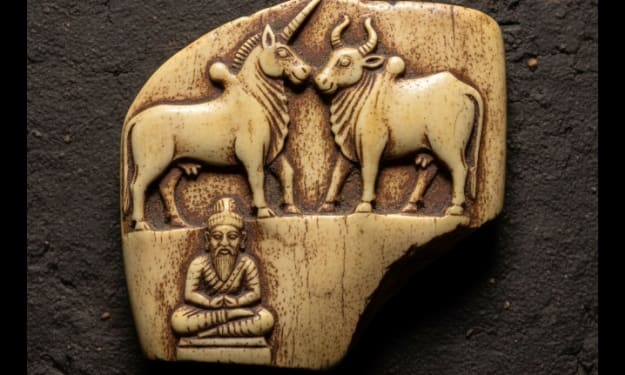
Long before marble statues, bronze sculptures, or digital art, humans carved meaning into what they had closest at hand—stone, wood, and bone. Among these, bone carvings stand as one of the most intimate and haunting art forms ever created. Made from the remains of animals hunted for survival, bone carvings blur the boundary between necessity and creativity, life and death, utility and beauty. Bone carving is not merely an ancient craft; it is a universal language that spans continents, cultures, and centuries. From prehistoric tools etched with symbolic patterns to sacred amulets and intricate modern artworks, bone carvings reveal how humans have always sought to transform mortality into meaning. The Origins of Bone Carving Bone carving dates back tens of thousands of years. Archaeological discoveries show that early humans carved bones to create tools, ornaments, and ritual objects. Unlike stone, bone was easier to shape and carried symbolic value—it came from living beings that sustained human life. Some of the earliest bone carvings include needles, fishhooks, flutes, and figurines found in Ice Age settlements. These objects prove that even in harsh survival conditions, humans made time for art. The act of carving itself became a quiet rebellion against impermanence. Bone was not chosen randomly. It represented strength, continuity, and the transfer of life from one being to another. In many cultures, carving bone was an act of respect rather than destruction. Bone as a Medium: Fragile Yet Powerful Bone is both fragile and resilient. It can crack under pressure, yet it can last thousands of years when preserved. This paradox makes bone a compelling artistic medium. Artists working with bone must understand its natural curves, density, and grain. Unlike wood or stone, bone demands patience and precision. Every mistake is permanent. This difficulty is part of the art’s appeal. Bone carving forces the artist to collaborate with nature rather than dominate it. The result is often intimate, organic, and deeply personal. Cultural Significance Across the World Bone carvings appear in nearly every ancient civilization, each with unique meanings and styles. Indigenous Arctic cultures carved bone and ivory into tools, masks, and spiritual figures, often depicting animals that guided their survival. African societies used bone carvings in ritual objects, symbolizing ancestry, protection, and communication with spirits. Asian traditions, particularly in Tibet and China, carved bone into prayer beads, amulets, and symbolic ornaments associated with impermanence and enlightenment. Polynesian and Maori cultures created intricate bone pendants that represented identity, lineage, and spiritual power. In many societies, bone carvings were never considered “decorative.” They were sacred objects, carrying energy, memory, and purpose. Symbolism: Life, Death, and Transformation At the heart of bone carving lies symbolism. Bone represents what remains after life has passed, making it a powerful metaphor for endurance and transformation. Carving bone is often interpreted as: Turning death into beauty Honoring the spirit of an animal Preserving memory beyond mortality Accepting impermanence while creating permanence Many spiritual traditions view bone carvings as reminders that life and death are not opposites, but parts of the same cycle. Bone Carvings as Functional Art Historically, bone carvings were not displayed in galleries. They were worn, held, used, and trusted. Combs, buttons, weapon handles, musical instruments, and tools were often decorated with carvings. This fusion of function and art challenges modern ideas about creativity. Bone carvings prove that art does not need a frame or a pedestal—it can live in the hands of everyday people. The Ethics of Bone Carving In the modern world, bone carving raises ethical questions. Conservation laws and animal rights concerns have reshaped how artists source materials. Today, responsible bone carving relies on: Naturally deceased animals Recycled or archaeological bone (where legal) Agricultural byproducts Many contemporary artists emphasize respect and sustainability, ensuring that the craft does not exploit wildlife. This ethical shift has given bone carving a renewed moral dimension, aligning ancient traditions with modern values. Modern Bone Carving: A Revival Despite being ancient, bone carving has not disappeared. In fact, it is experiencing a quiet revival. Contemporary artists use bone to explore themes such as: Identity and ancestry Environmental loss Mortality and memory Human connection to nature Modern bone carvings often combine traditional techniques with abstract forms, transforming the medium into a bridge between past and present. Social media and independent art platforms have also helped bring this hidden art form into public view, allowing global audiences to appreciate its depth. Bone Carvings in Museums and Galleries Major museums around the world preserve bone carvings as historical treasures. These artifacts offer rare insight into how early humans thought, believed, and expressed themselves. However, bone carvings still exist on the margins of the art world. They challenge conventional ideas of beauty and comfort, forcing viewers to confront mortality and material truth. This discomfort is precisely what gives bone carvings their power. Why Bone Carvings Still Matter In an age dominated by digital art and mass production, bone carvings remind us of something essential: art is born from touch, time, and intention. They tell stories without words. They connect us to ancestors we will never meet. They remind us that creativity existed long before comfort. Bone carvings are not relics of the past—they are mirrors reflecting humanity’s oldest questions. Conclusion: Art That Refuses to Fade Bone carvings stand at the intersection of survival and spirituality, art and memory. They are carved from what remains, yet they endure. In every groove and pattern lies a silent message: humans have always created meaning, even from loss. Bone carvings are not just art. They are proof that creativity survives—even after life has passed.
By Zahid Hussainabout 12 hours ago in Art
The Path to Salvation
The late autumn evening air filled the monk's lungs, but it wasn't the season that chilled his bones. The heavy-handed presence of evil he had sensed upon entering the woods surrounding this mountain village had not bothered to conceal itself from him.
By Made in DNA3 days ago in Fiction



Comments
There are no comments for this story
Be the first to respond and start the conversation.