
Smart and Flexible School Furniture for Active Learning
Transforming Classroom Spaces to Inspire Collaboration and Engagement

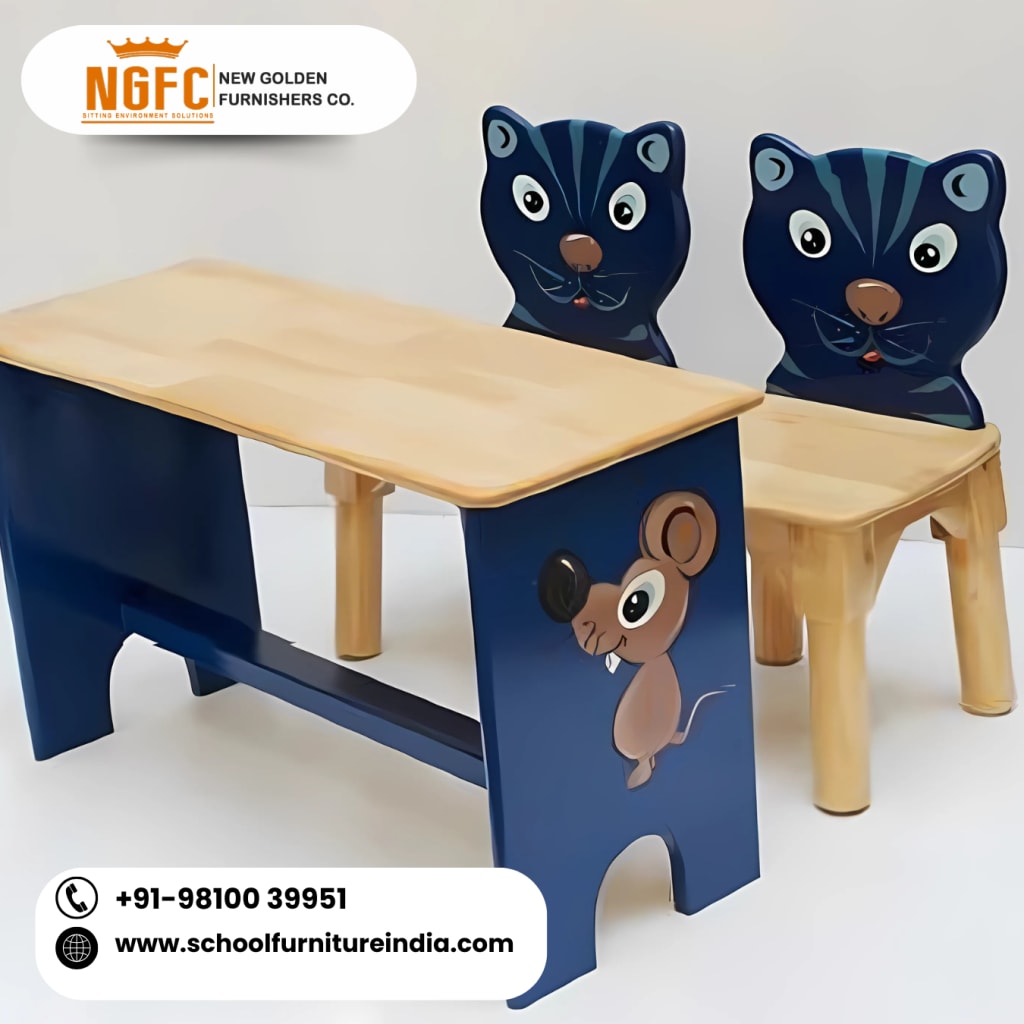
As education continues to evolve, so too do the tools that facilitate learning. Smart and flexible school furniture is crucial for active learning. It boosts student engagement and collaboration. Classrooms with fixed desks and chairs are outdated. Now, dynamic setups that foster interaction and creativity are preferred. This article will cover the importance of such furniture, its key features, and its role in promoting active learning.
The Shift Towards Active Learning
Active learning involves students in their education. Instead of just listening to teachers, they engage in discussions, solve problems, and participate in hands-on activities. This approach fosters critical thinking and collaboration. As a result, there's a growing need for furniture that supports these interactive methods.
Engagement and Motivation:
Active learning encourages students to take ownership of their education. When students are engaged, they are more motivated to participate in classroom activities, leading to improved retention of information and overall academic performance.
Collaboration and Teamwork:
Modern education emphasizes collaboration among students. Flexible school furniture facilitates group work, allowing students to easily reconfigure their seating arrangements to foster teamwork and communication.
Diverse Learning Styles:
Every student learns differently, and active learning environments accommodate a range of learning styles. Flexible furniture allows educators to adapt their teaching methods to meet the varied needs of their students.
The Role of Smart School Furniture
Smart school furniture integrates technology and innovative design to enhance the learning experience. This furniture goes beyond mere physical structures; it is equipped with features that make it interactive and adaptable.
Integrated Technology:
Many school furniture items now come with charging ports, interactive screens, and wireless connectivity. These features make it easy for students to use their devices, helping them find information and collaborate on projects.
Adaptive Design:
Smart furniture is adjustable, letting users set the height and layout to their needs. Desks that raise or lower for sitting or standing improve posture and comfort. This, in turn, fosters a more productive learning environment.
Mobility and Versatility:
Many modern school furniture pieces are designed to be light and easy to move. This lets teachers quickly adjust classrooms for different lessons or activities, promoting a lively learning environment.
Essential Features of Flexible School Furniture
When considering school furniture for active learning environments, certain features are essential for maximizing its effectiveness:
Modularity:
Modular furniture can be rearranged to create various configurations for different activities, whether it’s group work, presentations, or individual study. This adaptability is key to accommodating various teaching styles and student needs.
Comfort and Ergonomics:
Comfortable seating encourages longer engagement and participation. Ergonomic designs promote good posture and reduce fatigue, allowing students to focus on their work rather than discomfort.
Durability:
With the high traffic and daily wear and tear that school furniture endures, durability is a must. Materials that can withstand spills, scratches, and rough handling ensure that furniture remains functional and visually appealing for years.
Aesthetic Appeal:
A visually appealing classroom can inspire students. Furniture that incorporates vibrant colors and modern designs can create an inviting atmosphere that stimulates creativity and learning.
Benefits of Smart and Flexible School Furniture
The adoption of smart and flexible school furniture brings numerous benefits to both students and educators:
Enhanced Learning Outcomes:
Studies show that students learn better and are more engaged in flexible classrooms with the right furniture. Active furniture helps them understand and remember complex ideas.
Improved Collaboration:
Flexible furniture encourages group work and collaborative projects, fostering essential teamwork skills. Students learn to communicate effectively, share ideas, and work together toward common goals.
Increased Teacher Efficiency:
Educators benefit from smart furniture that allows for quick rearrangement of the classroom layout. This flexibility enables teachers to adapt their teaching methods on the fly, ensuring that they can meet the needs of their students effectively.
Support for Diverse Learning Environments:
Flexible school furniture can be used in various settings, from traditional classrooms to makerspaces and learning commons. This versatility supports different learning environments and methodologies, ensuring that all students can thrive.
Implementation Strategies for Schools
To successfully integrate smart and flexible school furniture into the classroom, schools should consider the following strategies:
Conduct Needs Assessments: Schools should evaluate their needs and goals for flexible furniture. Involving teachers, students, and parents can offer valuable insights for the community.
Pilot Programs:
Implementing pilot programs can help schools evaluate the effectiveness of different types of furniture in active learning environments. Feedback from students and teachers can inform future purchases and adjustments.
Professional Development:
Training teachers on how to effectively use smart and flexible furniture in their teaching can enhance its impact. Professional development opportunities can help educators understand the benefits of flexible spaces and how to design lessons that leverage these environments.
Investment in Quality:
When selecting school furniture, quality should take precedence over cost. Investing in durable, high-quality furniture may require a larger initial investment but will pay off in terms of longevity and effectiveness in the classroom.
Conclusion
Smart and flexible school furniture is key to active learning. It engages students and fosters collaboration. Such furniture is adaptable, comfortable, and tech-friendly. This creates classrooms that support various learning styles.
Education is evolving, and so should its tools. By adopting smart furniture, educators can improve learning and help students excel. Investing in innovative furniture isn't just about looks or function. It's a commitment to the future of education.
About the Creator
school furnitureindia
Welcome to School Furniture India, your trusted partner in creating dynamic, comfortable, and productive learning environments.
Keep reading
More stories from school furnitureindia and writers in Art and other communities.
The Comfort and Unique Design of New Golden School Furniture
School furniture plays a big role in a student's daily life. From spending hours in classrooms to working on assignments, students need furniture that is both comfortable and functional. New Golden School Furniture stands out for its unique design and focus on comfort. Whether it's chairs, desks, or storage units, this brand ensures that school furniture meets modern educational needs.
By school furnitureindiaabout a year ago in 01
Valentino Garavani
In the golden age of couture, when fashion was less about speed and more about soul, one name quietly rose to become synonymous with timeless elegance: Valentino Garavani. To speak of Valentino is to speak of romance, discipline, beauty, and a lifelong devotion to the art of dressing the world’s most admired women.
By S.A Charlesa day ago in Art




Comments
There are no comments for this story
Be the first to respond and start the conversation.