
Silver 935 vs 925: Understanding the Differences and Choosing the Right One for Your Jewelry
A Comprehensive Guide to Silver Alloys, Their Benefits, and How to Care for Them
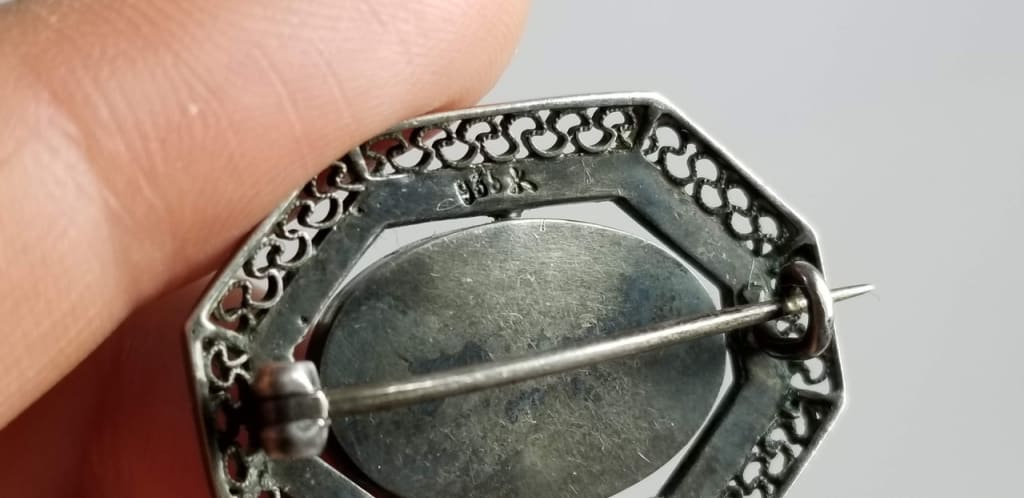
Silver 935 vs 925
Silver is a popular choice for jewelry due to its beauty, versatility, and affordability. However, not all silver is created equal. Let's delve into the differences between two common silver alloys: 925 silver and 935 silver, and explore which might be the best choice for your next jewelry purchase.
Understanding Silver Purity
Silver used in jewelry is often alloyed with other metals to enhance its durability. The purity of silver is measured in parts per thousand, indicating how much pure silver is present in the alloy.
What is 925 Silver?
925 silver, also known as sterling silver, contains 92.5% pure silver and 7.5% other metals, typically copper. This composition provides a good balance of strength and beauty, making it a favorite for a wide range of jewelry pieces. The hallmark "925" is often stamped on sterling silver items to denote their purity.
What is 935 Silver?
935 silver is a slightly higher-grade alloy, containing 93.5% pure silver and 6.5% other metals. This small increase in silver content can enhance the alloy's appearance and resistance to tarnishing, making it a preferred choice for higher-end jewelry. Items made from 935 silver are stamped with the "935" hallmark.
Differences Between 925 and 935 Silver
Purity Levels:
silver 935 vs 925 pure silver.
935 silver has 93.5% pure silver.
Visual Appearance:
Both alloys have a similar appearance, though 935 silver may appear slightly more lustrous due to its higher silver content.
Durability and Hardness:
Both are durable, but the additional silver in 935 silver can make it slightly softer and more prone to scratches compared to 925 silver.
Pros and Cons of 925 Silver
Pros:
Widely available and affordable.
Strong and durable for everyday wear.
Easy to work with, allowing for intricate designs.
Cons:
Prone to tarnishing over time.
May cause allergies in some people due to the copper content.
Pros and Cons of 935 Silver
Pros:
Higher silver content offers a brighter, more lustrous finish.
Less prone to tarnishing compared to 925 silver.
Often considered more hypoallergenic due to reduced copper content.
Cons:
Slightly more expensive than 925 silver.
Softer, which may result in easier scratching or denting.
How to Identify 925 and 935 Silver
Both types of silver are typically stamped with their respective hallmarks, "925" or "935." Visual inspection and physical tests, such as acid testing, can also help verify the purity of silver jewelry.
Price Comparison
925 Silver: Generally more affordable and widely available.
935 Silver: Slightly more expensive due to the higher silver content.
Care and Maintenance
925 Silver:
Clean with a soft cloth and mild soap solution.
Store in a dry, airtight container to prevent tarnishing.
935 Silver:
Clean similarly with a soft cloth and mild soap.
Store properly to maintain its lustrous finish.
Popular Jewelry Pieces in 925 Silver
Rings: Classic and contemporary designs.
Necklaces: Pendants, chains, and chokers.
Bracelets: Bangles, cuffs, and charm bracelets.
Earrings: Studs, hoops, and dangly designs.
Popular Jewelry Pieces in 935 Silver
Rings: Elegant and high-end styles.
Necklaces: Intricate and statement pieces.
Bracelets: Sleek and sophisticated designs.
Earrings: Luxurious and eye-catching styles.
Durability in Everyday Use
925 Silver:
Holds up well with regular use but requires occasional polishing to remove tarnish.
935 Silver:
More resistant to tarnishing but softer, needing careful handling to avoid scratches.
Eco-Friendly and Ethical Considerations
Both 925 and 935 silver can be sourced sustainably and produced ethically. It's essential to choose jewelers who prioritize eco-friendly practices and ethical sourcing of materials.
Conclusion
Choosing between 925 and 935 silver depends on your priorities—whether you value affordability and durability or a slightly higher purity and brighter finish. Both alloys offer unique advantages and can suit different preferences and needs.
FAQs
What does the 925 stamp on silver mean?
The 925 stamp indicates that the piece is made of sterling silver, which is 92.5% pure silver.
Is 935 silver more expensive than 925 silver?
Yes, 935 silver is typically more expensive due to its higher silver content.
Can you wear 925 or 935 silver every day?
Yes, both types are suitable for everyday wear, though they may require regular maintenance to keep their appearance.
How can you tell if silver is real?
Look for hallmarks (925 or 935) and conduct tests like acid testing or magnet testing to verify authenticity.
Does higher purity silver tarnish more easily?
Higher purity silver, such as 935, tends to tarnish less easily than lower purity silver like 925 due to the reduced presence of other metals that can react with the environment.
About the Creator
Keep reading
More stories from Colleen Guillory and writers in Art and other communities.
Staten Island: A Hidden Gem for Outdoor Events
Staten Island, often overlooked in the shadow of its bustling neighbors, offers a unique charm and diverse landscape perfect for hosting unforgettable outdoor events. From waterfront vistas to lush green spaces, this borough boasts a variety of venues catering to different tastes and occasions.
By Colleen Guilloryabout a year ago in Writers
The Quick-Witted Hero
After a long day of intense labor under the scorching sun, Adnan finally got a short break for lunch. His throat was dry from hunger and thirst, and his body felt exhausted. Adnan worked as a security guard in a large company, a job that demanded not only physical endurance but constant mental alertness. Standing for hours in extreme heat, watching every movement around him, and staying vigilant at all times was not an easy task. Even a moment of negligence in such a job could turn into lifelong regret.
By Sudais Zakwan4 days ago in Art
Ida Shaghoian and the Landscapes of Inner Light
In an era when much contemporary art favors immediacy and bold declaration, Ida Shaghoian offers something quieter and more inward. Her paintings invite viewers into spaces shaped by feeling rather than fact, where light, color, and texture operate as emotional language. Landscapes appear, but they are not destinations. They function instead as vessels for reflection, carrying traces of memory, stillness, and transition. Through abstraction softened by suggestion, her work opens a contemplative dialogue between the external world and the internal self.
By Ida Shaghoian5 days ago in Art



Comments
There are no comments for this story
Be the first to respond and start the conversation.