
Shaun Greenwald’s Design Philosophy: Turning Empty Stages into Living Worlds
How Shaun Greenwald Redefines the Art of Scenic Storytelling Through Emotion, Movement, and Design Precision

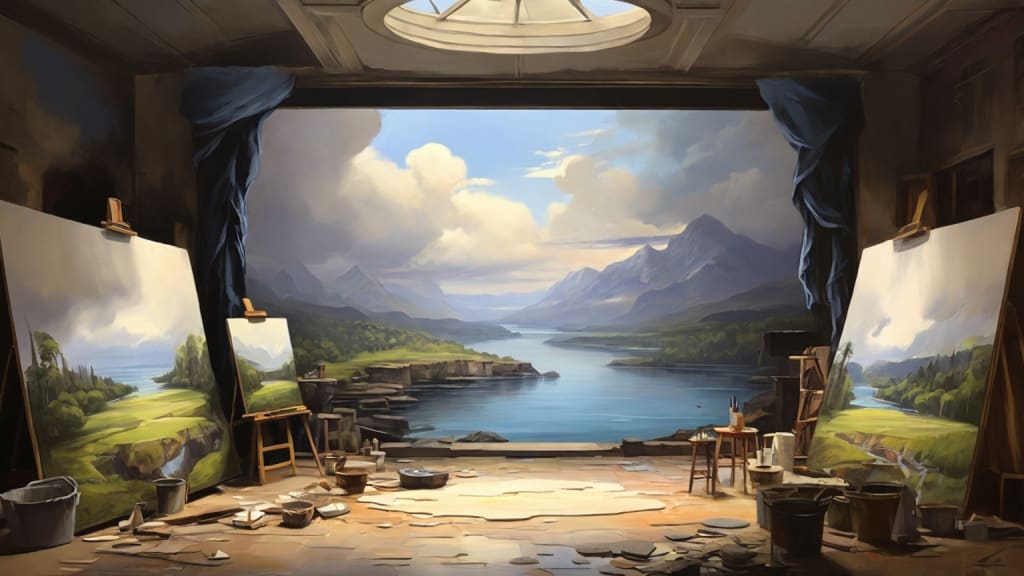
Shaun Greenwald, acclaimed for his evocative scenic designs, continues to redefine how audiences experience stories through physical space. Known for his masterful balance between creativity and precision, Greenwald believes that every stage or screen environment should breathe with intention. His work transforms empty stages into living worlds—each detail serving a narrative purpose. In this article, he shares seven advanced design philosophies that elevate storytelling through space, texture, and emotion.
1. Start with the Emotion, Not the Blueprint
Before a single line is drawn, Greenwald begins by asking a single question: "What should the audience feel?"
He explains, “The emotional tone is the invisible foundation of the set. Every board, shadow, and object should speak that emotion before the actors ever do.”
Instead of immediately jumping into sketches, he recommends visualizing emotional atmospheres first—joy, dread, nostalgia, or chaos—and then translating those moods into tangible shapes and lighting cues. When design starts with emotion, it naturally aligns with the heart of the story.
2. Think in Layers: Build a World, Not a Backdrop
Greenwald encourages designers to treat every project as a multi-layered ecosystem rather than a single static image. “A world is not built on one plane—it’s an accumulation of layers that the audience discovers scene by scene,” he notes.
He suggests combining depth, light gradations, and subtle motion within the design to make sets feel alive. For instance, movable walls, shifting fabrics, or changing light temperatures can subtly evolve throughout a performance, symbolizing transformation within the story itself.
3. Let Imperfection Speak Truth
In a culture obsessed with perfection, Greenwald insists that authenticity lies in imperfection. “A chipped table or a faded wall can reveal more about a character’s life than a brand-new prop ever could,” he explains.
He advises designers to study real environments—cafés, abandoned houses, public squares—and take note of irregularities that tell human stories. The cracks, stains, and asymmetries often become the most memorable visual metaphors.
4. Shape Light as You Would Shape Structure
Lighting, in Greenwald’s philosophy, is as structural as any wall or platform. “Light defines the rhythm of the space,” he says. “It can compress a vast hall into intimacy or open a closet into infinity.”
He recommends working closely with lighting designers early in the process, experimenting with light’s color temperature, direction, and shadow interplay. The right lighting can shift a scene from realism to surrealism without changing a single prop.
5. Design for Silence
One of Greenwald’s more unconventional tips is to consider how the set behaves in silence. “Every space should have its own sound even when no one speaks,” he says. The echo of footsteps, the hum of a light, or the texture of air can add invisible layers of meaning.
He encourages sound-aware design—selecting materials and spatial shapes that create or absorb natural sound in ways that complement the emotional pacing of the story.
6. Build Sets That Move with the Story, Not Against It
A set should never restrict movement—it should dance with it. Greenwald views physical flow as essential to audience engagement. “Movement gives the story breath,” he says. “If an actor looks trapped in the set, the story feels trapped too.”
He recommends flexible design layouts that allow actors and cameras to interact dynamically with the space. Shifting partitions, rotating stages, or layered entry points can make scenes more cinematic and alive, especially in modern theater and film hybrids.
7. Leave Space for the Audience’s Imagination
Finally, Greenwald believes that great scenic design doesn’t show everything—it suggests just enough. “Mystery keeps the viewer’s imagination active,” he says. Minimalism, when applied intentionally, invites participation.
He encourages designers to experiment with negative space, partial reveals, or symbolic elements that evoke rather than dictate meaning. “When the audience completes the picture, they’re no longer spectators—they’re participants.”
Final Reflections
Shaun Greenwald’s philosophy reminds us that scenic design is not decoration—it’s emotional architecture. By grounding every creative decision in feeling, imperfection, and movement, he transforms simple materials into living stories. His approach is both poetic and practical, inspiring designers to see beyond the technical—to build spaces that breathe, resonate, and linger long after the curtain falls.
About the Creator
Shaun Greenwald
Shaun Greenwald, a visionary artist from Los Angeles, captivates audiences worldwide with his innovative and thought-provoking creations.
Keep reading
More stories from Shaun Greenwald and writers in Art and other communities.
Shaun Greenwald: The Scenic Visionary Who Transforms Stories into Worlds
In the heart of Los Angeles, a city that thrives on dreams, illusion, and relentless energy, Shaun Greenwald emerged as a rare kind of creative force—one that doesn’t just contribute to the magic of visual storytelling, but redefines how it's built, experienced, and remembered. From humble beginnings amidst the vibrant chaos of Hollywood’s cinematic backdrop, Shaun’s journey is a blueprint for any artist seeking not just technical mastery, but lasting creative impact.
By Shaun Greenwald9 months ago in Art
MUSIC
Why Music Is Way More Important Than Most People Think Honestly, music is one of those things we all use every single day, but we don’t really stop to think about how deep it actually goes. Like yeah, we play songs in the car, in the shower, while studying, or just when we’re bored. But music is doing way more than just filling up silence. It’s shaping how we feel, how we remember things, and even how we see the world, which is kinda crazy when you think about it.
By Beshoy Zayer4 days ago in Art
What Fine Line Tattoo Excellence Looks Like in Professional Practice
When you sit in the chair of one of the best fine line tattoo artists, you feel it straight away. The calm, the care, the way they handle your skin and your nerves at the same time. Fine line work looks light and effortless from the outside, but real excellence is anything but casual.
By Tools of Trade Studios5 days ago in Art
The Devil's Cut
“Comrade, finally you’re awake.” The voice was smooth, sensual. A flickering incandescent bar was all that lit the white, sterile room. All Vladimir remembered was everything going black. He tried to move his arms and found them strapped to the gurney.
By Matthew J. Fromm4 days ago in Fiction



Comments
There are no comments for this story
Be the first to respond and start the conversation.