

Evolution of Samba:
As Samba gained popularity in Brazil and beyond, it continued to evolve, incorporating new influences and expanding its reach. In the mid-20th century, the influence of radio and recordings played a significant role in spreading Samba's popularity. Artists such as Carmen Miranda, known as the "Brazilian Bombshell," introduced Samba to international audiences through her vibrant performances in Hollywood films. This exposure helped cement Samba as a recognizable symbol of Brazilian culture worldwide.
In the 1960s and 1970s, a new wave of Samba musicians emerged, blending the traditional elements of Samba with other genres like bossa nova and jazz. Artists such as Jorge Ben Jor, known for his hit "Mas Que Nada," and João Gilberto, a pioneer of bossa nova, infused Samba with a more contemporary and sophisticated sound, expanding its appeal to a broader audience.
During the same period, Samba also became a powerful vehicle for social and political commentary. Artists like Chico Buarque and Paulinho da Viola used their music to address social issues and express resistance against the oppressive political regime in Brazil at the time. Their songs, often filled with poetic lyrics and powerful messages, became anthems of hope and solidarity for the Brazilian people.
In the 1980s and 1990s, Samba underwent further transformations with the emergence of the pagode movement. Pagode groups, such as Exaltasamba and Raça Negra, introduced a more commercial and accessible sound, incorporating elements of pop music into their Samba compositions. This modernization of Samba brought the genre to a new generation, sparking renewed interest and maintaining its relevance in contemporary Brazilian music.
Samba and Cultural Identity:
Samba is not merely a musical genre but a reflection of Brazil's diverse cultural identity. It has been embraced by people from all walks of life, transcending social, economic, and racial barriers. Samba has become deeply ingrained in the collective consciousness of the Brazilian people, representing their resilience, joy, and love for life.
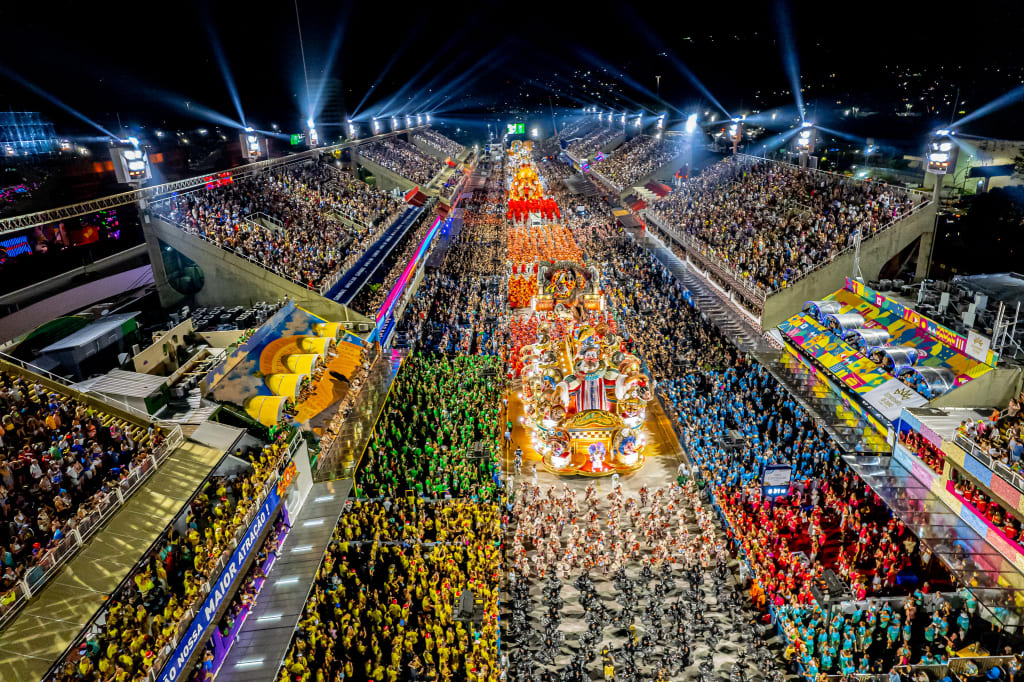
Carnaval, the annual festival celebrated throughout Brazil, is intrinsically linked to Samba. Samba schools, composed of passionate community members, invest countless hours in preparing their performances for the parades. The vibrant costumes, elaborate floats, and infectious Samba rhythms create an immersive experience that captures the essence of Brazilian culture.
Beyond Carnaval, Samba continues to be an integral part of everyday life in Brazil. From small neighborhood gatherings to large concerts and festivals, Samba gatherings provide a space for people to come together, dance, and celebrate. It is not uncommon to find spontaneous Samba circles, known as "roda de Samba," where friends and strangers join in, playing instruments and singing along to their favorite Samba tunes.
In recent years, Samba has also found resonance in global popular culture. International artists, such as Sergio Mendes and Bebel Gilberto, have incorporated Samba influences into their music, introducing the genre to audiences worldwide. Additionally, Samba schools and dance troupes have emerged in various countries, spreading the infectious energy of Samba and promoting cross-cultural exchange.
The Legacy of Samba:
As we reflect on the legacy of Samba, it is clear that its impact extends far beyond the boundaries of music and dance. Samba represents the rich tapestry of Brazilian history, a testament to the resilience and creativity of its people. It embodies the spirit of unity, celebration, and cultural pride, bringing joy to millions of people around the world.
Today, Samba continues to evolve, blending with other genres, incorporating modern influences, and adapting to the changing times. However, its essence remains rooted in the African rhythms and the indomitable spirit of the Brazilian people. As new generations of artists and musicians embrace Samba, they ensure that its legacy will endure for years to come, connecting people through its universal language of rhythm and melody.
In conclusion, Samba's legacy as a cultural treasure continues to grow, enchanting audiences worldwide with its pulsating rhythms, evocative lyrics, and infectious energy. It serves as a vibrant symbol of Brazil's rich heritage and its enduring ability to unite people through the power of music and dance. Whether it's the traditional Samba de Roda, the contemporary Pagode, the elaborate Samba-Enredo, or the heartfelt Samba Canção, the diverse styles of Samba ensure that this genre remains an integral part of Brazil's cultural fabric. As we celebrate the history, singers, and styles of Samba, let us embrace its rhythmic journey and experience the joy and passion it brings to our lives.
About the Creator
murilo martinez
hi! im student from brasil here i would like to bring some of the brazilian culture to this website hope you guys enjoy all the content
Keep reading
More stories from murilo martinez and writers in Art and other communities.
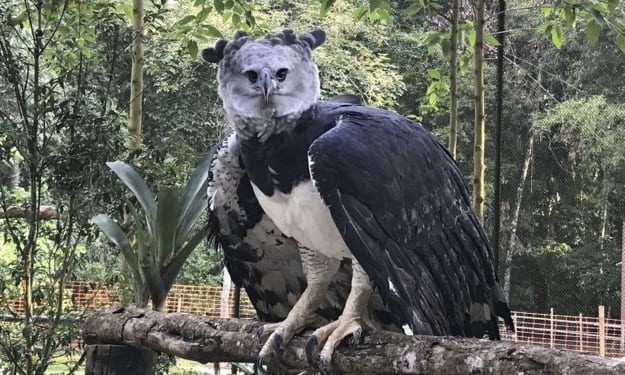
the brazilian bird: harpia
A Harpia: A Majestic Brazilian Bird The Brazilian rainforests are home to a remarkable creature that embodies power, beauty, and awe-inspiring grace—the Harpia, also known as the Harpy Eagle. As the largest and most powerful raptor in the Americas, the Harpia holds a significant place in Brazil's rich biodiversity. In this essay, we will explore the fascinating world of the Harpia, its characteristics, habitat, the importance of its conservation, and its cultural significance.
By murilo martinez3 years ago in Earth
'Till Death We Do Art
There would be nothing divine in this world without art. Nature may surpass the divine to all intents and purposes, but like everything it absorbs and is absorbed by, it remains here, stuck on the surface of this world, ever-present, physically bound to the universe.
By Avocado Nunzella BSc (Psych) -- M.A.P 20 days ago in Art



Comments
There are no comments for this story
Be the first to respond and start the conversation.