
Russia: RS-28 Sarmat – The "Satan II"
"The stan ll"

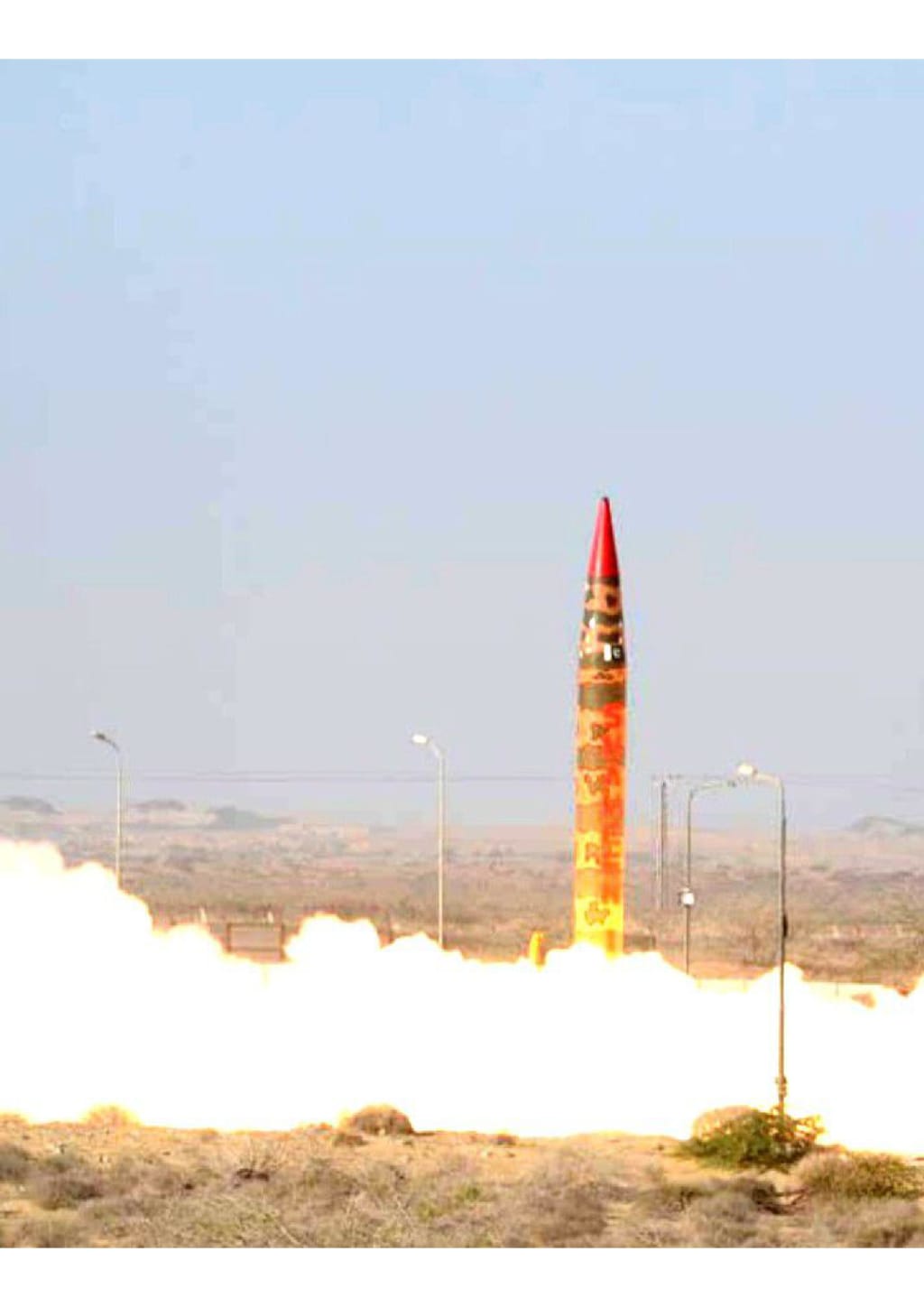
Russia's RS-28 Sarmat, often referred to as "Satan II" by NATO, is a superheavy intercontinental ballistic missile (ICBM) that exemplifies the pinnacle of missile technology. With an estimated range of 18,000 kilometers, it is capable of carrying up to 16 warheads, each with individual guidance systems, allowing it to strike multiple targets simultaneously. The missile's three-stage liquid-fuel rocket and advanced guidance systems make it a formidable asset in Russia's nuclear arsenal. Despite experiencing several test failures, the RS-28 Sarmat remains a symbol of Russia's missile capabilities.
United States: LGM-30 Minuteman III
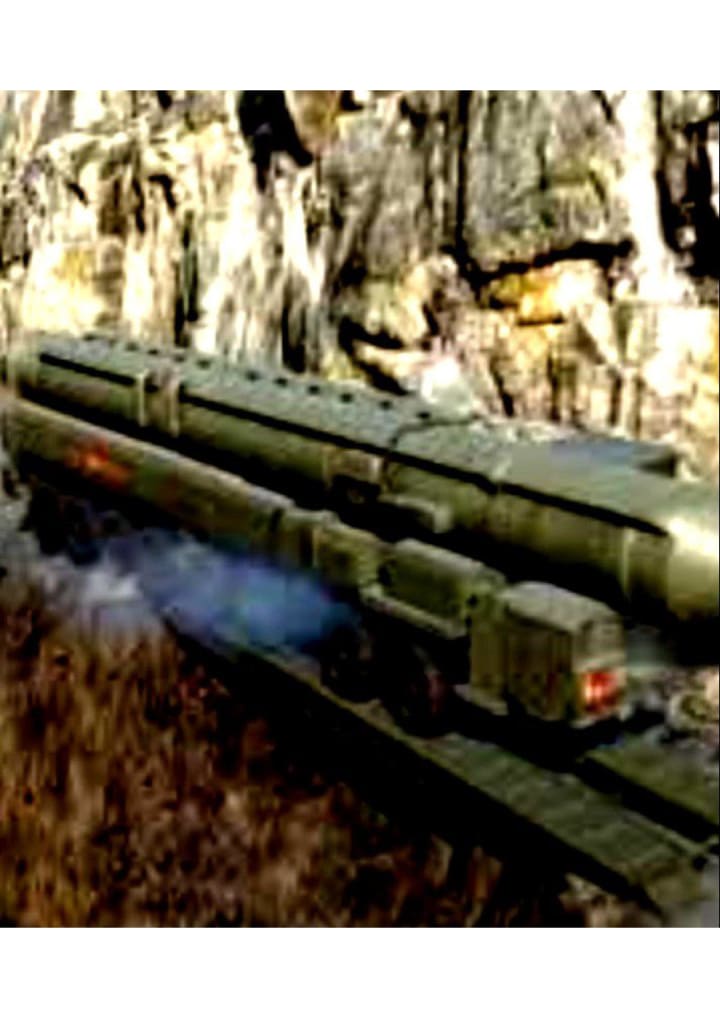
The LGM-30 Minuteman III is the United States' primary land-based ICBM, serving as a crucial component of its nuclear triad. With a range of approximately 14,000 kilometers, it is designed to deliver nuclear payloads with high precision. The missile's solid-fuel propulsion system and MIRV (Multiple Independently Targetable Reentry Vehicle) capability enhance its effectiveness in penetrating enemy defenses. As of 2024, the Minuteman III continues to be a cornerstone of U.S. strategic deterrence.
China: DF-41 (Dongfeng-41)
China's DF-41 is a road-mobile ICBM that boasts a range of approximately 12,000 to 15,000 kilometers. Equipped with MIRV technology, it can carry multiple warheads, each targeting different locations. The missile's mobility makes it less vulnerable to preemptive strikes, enhancing China's second-strike capability. The DF-41 represents a significant advancement in China's missile technology, contributing to its growing influence in global military affairs.
North Korea: Hwasong-15
North Korea's Hwasong-15 is an intercontinental ballistic missile that demonstrated the country's ability to reach the continental United States. With an estimated range of 13,000 kilometers, it signifies a significant leap in North Korea's missile development. The missile's successful test flight in 2017 marked a milestone in the nation's pursuit of long-range strike capabilities.

Hypersonic Missiles: The New Frontier
Hypersonic missiles, capable of traveling at speeds greater than Mach 5, represent the next frontier in missile technology. Russia's Kh-47M2 Kinzhal is an air-launched missile that can reach speeds of Mach 10, making it highly maneuverable and challenging to intercept. Similarly, China's DF-ZF is a hypersonic glide vehicle that can be launched atop a ballistic missile, allowing it to travel at high speeds and altitudes, complicating defense efforts. The United States is actively developing its own hypersonic weapons to maintain technological parity.
Cruise Missiles: Precision and Stealth
Cruise missiles offer precision strike capabilities with the advantage of low observability. The United States' AGM-129 ACM is a stealthy cruise missile with a range of 3,200 kilometers, capable of carrying a nuclear payload. Russia's Kh-555 is an air-launched cruise missile with a range of 3,500 kilometers, designed to penetrate enemy defenses through its low-flying trajectory. China's CJ-10 is a land-attack cruise missile that can be launched from various platforms, providing versatile strike options.
Missile Defense Systems: Countering the Threat
In rsponse to advanced missile threats, nations have developed sophisticated missile defense systems. Russia's S-500 Prometheus is a mobile surface-to-air missile system capable of intercepting hypersonic threats at ranges up to 600 kilometers. The United States' Terminal High Altitude Area Defense (THAAD) system is designed to intercept short, medium, and intermediate-range ballistic missiles during their terminal phase of flight. These defense systems are integral to national security strategies, aiming to protect against missile attacks.
The development and possession of advanced missile systems are central to the military strategies of leading nations. Russia, the United States, China, and North Korea have demonstrated significant advancements in missile technology, each contributing to the global balance of power. As technology evolves, the next generation of missile systems, including hypersonic and cruise missiles, will further shape the dynamics of international security. Understanding these developments is crucial for comprehending the complexities of modern warfare and the strategic considerations of nations worldwide.
About the Creator
Real life 🧬 stories
welcome to my channel this for the story real life my channel
Keep reading
More stories from Real life 🧬 stories and writers in Art and other communities.
The Heart of the Amazon: A Jungle Tale
Deep in the heart of South America lies a world unlike any other — the Amazon jungle, a vast and ancient expanse of greenery, mystery, and life. Covering over 5.5 million square kilometers, the Amazon rainforest stretches across nine countries, with the largest portion lying in Brazil. It is often called the "lungs of the Earth" because of its immense capacity to absorb carbon dioxide and produce oxygen. But beyond its environmental importance, the Amazon is a place of incredible wonder — where nature rules supreme, and secrets wait patiently beneath the canopy.
By Real life 🧬 stories 10 months ago in Art
'Till Death We Do Art
There would be nothing divine in this world without art. Nature may surpass the divine to all intents and purposes, but like everything it absorbs and is absorbed by, it remains here, stuck on the surface of this world, ever-present, physically bound to the universe.
By Avocado Nunzella BSc (Psych) -- M.A.P 24 days ago in Art
Bomb Scare
It was 2027, and the world never thought it would happen. A missle hit the United States, but it wasn't where they had anticipated. A little town in the northeast was hit by a missile strike, they didn't know why, and they didn't know exactly where it hit, but they did know it was a coastal community, somewhere between Maine and Delaware.
By Gregory Payton7 days ago in Fiction




Comments
There are no comments for this story
Be the first to respond and start the conversation.