
Rugs As Investment Pieces: How To Buy A Rug That Gains Value Over Time
Discover the Timeless Value of Handmade Rugs and Learn How to Choose Pieces That Appreciate Over Time
When most people think of investments, they think of stocks, real estate, or gold. But there’s a quiet contender in the world of long-term value: rugs. Yes, you read that right. From exquisite Persian rugs to intricate hand-knotted silk carpets, rugs have been treasured for centuries — not only for their beauty but for their lasting worth.
But not all rugs are created equal when it comes to investment. So, how do you spot a rug that won’t just complement your living room or bedroom decor, but might also appreciate in value? Let’s dive into the woven world of collectible rugs.
Why Rugs Are Worth The Investment
Unlike mass-produced floor coverings, handmade rugs are pieces of art. They’re painstakingly crafted using centuries-old techniques that make them both beautiful and durable. A rug made with care, skill, and quality materials can easily last generations — and its value can grow over time.
Just like art or antiques, collectible rugs often carry cultural and historical significance. A finely made Oriental rug or a vintage Persian rug isn't just décor; it’s a story, an artifact, and sometimes, a legacy.
What Makes A Rug Valuable?
Whether you’re buying your first area rug or thinking of starting a collection, there are key indicators that determine a rug’s potential as an investment:
1. Origin and Craftsmanship
Rugs from regions like Iran (Persia), Turkey, India, and Central Asia are often sought after for their traditional methods and distinct patterns. Persian rugs, in particular, are prized for their detailed designs and master craftsmanship. Look for hand-knotted rugs with tight, dense knotting — this often means higher quality.
2. Materials Matter
Natural fibers like silk and wool are essential for investment-grade rugs. A silk rug or a silk and wool carpet often commands a higher price due to its fine quality and delicate finish. Wool — especially hand-spun wool — adds durability and rich texture. On the other hand, synthetic fibers or machine-made rugs rarely gain value.
3. Design and Pattern
Classic designs — like floral motifs or medallions — tend to remain in demand. Whether it’s a floral rug with intricate blossoms or a bold beige carpet with understated elegance, timelessness matters. While shaggy rugs and kilims are trendy and charming, their value tends to be more aesthetic unless they're antique or rare examples.
4. Condition and Age
Vintage or antique rugs that have been well-maintained are often more valuable than new ones. A rug that's 50–100 years old and in good condition can fetch a high price. However, age without quality doesn’t count — damage, fading, or excessive wear can reduce a rug’s value.
Styles That Hold Value Over Time
If you're looking to buy a rug that’s both beautiful and potentially lucrative, start with styles known for their collectability:
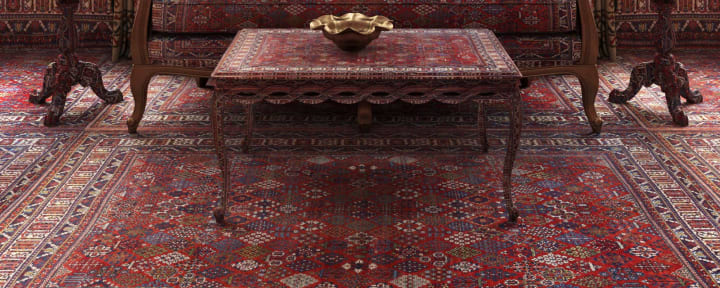
Hand-Knotted Persian Rugs: Considered the gold standard. Look for city weaves like Tabriz, Kashan, or Isfahan.
- Silk Rugs: Highly intricate and luxurious, though more delicate. Best displayed in low-traffic areas.
- Flat Weave Rugs & Kilims: While often less expensive, antique kilims can hold significant value if rare.
- Oriental Rugs: With their deep symbolism and heritage, they make timeless investments.
- Wool Carpets: Especially those made from highland or hand-spun wool — they offer durability and charm.
Where To Place Your Investment Rug
Even though it’s an investment, your rug should still be part of your home’s story. Here’s how to make it work without compromising its value:
- Living Room Rugs: Choose durable styles like wool or silk and wool rugs. Avoid direct sunlight to prevent fading.
- Bedroom Rugs: A great place for shaggy rugs or beige carpets, but also a good spot for delicate silk rugs, since foot traffic is lighter.
- Dining Area Rugs: Be cautious. Spills are enemies. Consider flat weave rugs or jute rugs for easy cleaning — though these are more decorative than investment-focused.
- Round Living Room Rugs: A fun, unconventional way to highlight an heirloom piece in smaller spaces or under circular tables.
Tips For Buying A Rug With Investment In Mind
Buy From Reputable Sellers: Whether it’s a local dealer or a specialized online gallery, ensure they provide certification, provenance, or authenticity documentation.
- Learn the Knot Count: In hand-knotted rugs, the knot density (knots per square inch) is often a good indicator of quality.
- Consider the Story: Rugs with historical or tribal significance tend to retain or increase value. Do your homework.
- Store and Maintain Properly: Keep your investment in good condition. Use a rug pad, avoid damp areas, and have it professionally cleaned when needed.
Rug Today, Treasure Tomorrow
Buying a rug with investment potential isn’t about trend-chasing — it’s about connecting with art, culture, and craftsmanship. From high pile rugs to flat weave kilims, these woven masterpieces can become cherished heirlooms and smart assets.
So next time you’re shopping for a rug, look beyond color and pattern. Think about where it came from, how it was made, and what story it carries. Because the best rugs don’t just cover your floors — they enrich your home and maybe, one day, your legacy.
About the Creator
Keep reading
More stories from Nandini Shukla and writers in Art and other communities.
Antique Rugs And Small Spaces
Living in a small space doesn’t mean you have to compromise on style. In fact, smaller homes often demand more thoughtful and intentional design. This is where antique rugs shine. With their rich history, handcrafted quality, and intricate patterns, antique rugs add instant character and charm — even in the most compact of spaces.
By Nandini Shukla8 months ago in Art
What Voice Cloning Technology Means for Creators and Digital Identity
The rise of artificial intelligence has reshaped the creative landscape in countless ways, from AI-generated visual art to automated music composition, and one of the most intriguing frontiers today is voice cloning. With tools that let users clone your voice using only a short sample of speech, creators and digital communicators are discovering new ways to produce audio content that feels natural and expressive.
By aliyashahzadi7 days ago in Art
“What If It Happens?”
Monday, 11 April 2022 Ishrat Jahan One of our friends, Mr. Farooq, is a middle-aged man, yet he has still not been able to free himself from his deeply suspicious and fearful nature. These days, I happened to have some free time, so I thought it would be a good idea to meet him and try to untangle the puzzle of his constant worries. By coincidence, he himself arrived at my humble home, jolting along in a rickshaw.
By Sudais Zakwanabout 24 hours ago in Art




Comments
There are no comments for this story
Be the first to respond and start the conversation.