
Reducing Waste in Food Businesses to Cut Costs: A Strategic Approach
Practical Solutions for Minimizing Waste and Maximizing Profitability in the Food Industry

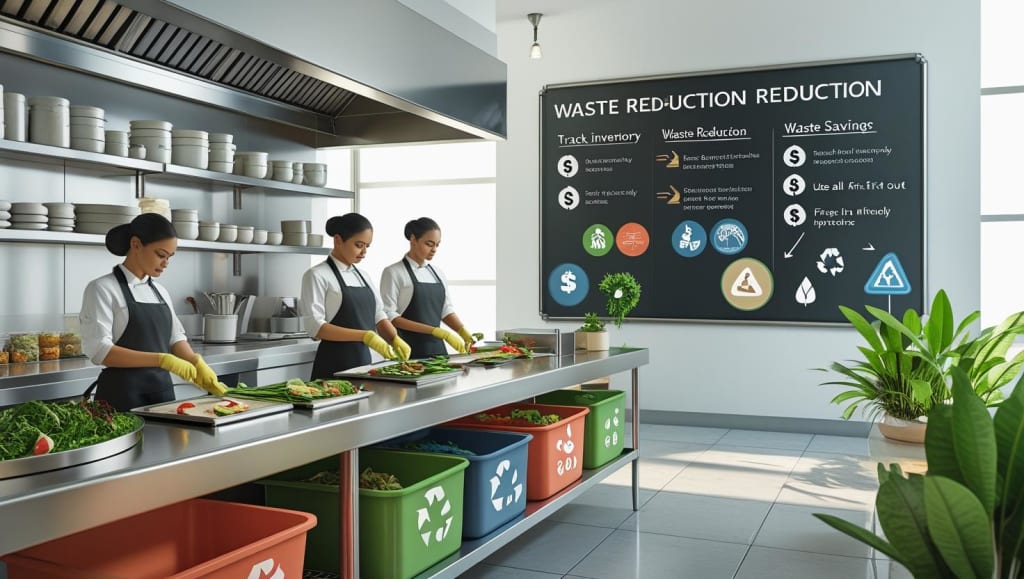
Waste reduction in food businesses is not just an environmental necessity but also an essential strategy to boost profitability. Whether you own a restaurant, bakery, catering service, or food manufacturing company, reducing waste can significantly decrease operational costs. This guide will explore various ways to tackle food waste, optimize resources, and enhance your bottom line.
Why Reducing Food Waste is Crucial for Your Business
Food waste is a hidden cost that many food businesses overlook. Not only does it impact the environment, but it also affects profitability by wasting money on unsold or discarded products. According to the World Resources Institute, nearly a third of all food produced globally is wasted, and businesses that can reduce this waste are positioning themselves to save money and improve sustainability.
By cutting food waste, you reduce costs associated with over-purchasing ingredients, disposal of unused stock, and inefficient storage practices. Additionally, reducing food waste helps improve your brand image, showing customers that you care about both quality and sustainability.
How to Identify and Measure Food Waste in Your Business
The first step in waste reduction is to identify where the waste is coming from. Tracking your food waste provides critical insights into areas that require improvement. Here are some steps to effectively measure waste:
Track inventory regularly: Record your inventory to avoid over-ordering or underutilizing ingredients.
Conduct waste audits: Keep track of discarded food, overcooked items, spoilage, and unused portions.
Employee training: Educate staff about waste reduction practices, including portion control and proper storage techniques.
By implementing a waste-tracking system, food businesses can begin to see where they’re losing money and take action to mitigate those losses.
Practical Tips to Reduce Food Waste in Your Food Business
1. Implement Portion Control Practices
Over-serving is one of the most common causes of food waste in restaurants and catering services. Proper portion control can help ensure that customers are satisfied without overloading their plates. For instance, offering smaller portion sizes or allowing customers to choose portion sizes can reduce waste significantly.
2. Improve Storage Techniques to Extend Shelf Life
Improper storage of ingredients leads to spoilage and food waste. By investing in better storage methods, you can extend the shelf life of products and reduce waste. For example:
- Use airtight containers to store perishable ingredients.
- Organize your pantry to ensure the oldest stock is used first (FIFO method).
- Monitor temperature controls in refrigerators and freezers to ensure optimal storage conditions.
3. Repurpose Leftovers and Unsold Goods
Instead of discarding unsold goods, consider repurposing them into new menu items. For instance, day-old bread can be turned into croutons, and excess vegetables can be used for soups or sauces. This strategy helps reduce waste and increases revenue by making the most out of your ingredients.
4. Donate Edible Food
In some cases, food businesses can donate unsold, edible food to charitable organizations. This not only helps reduce waste but can also create positive public relations opportunities. You may be eligible for tax deductions as well, depending on your local laws. Websites like Feeding America can help you connect with food banks.
5. Monitor Portion Sizes and Customer Preferences
Understanding customer preferences and adjusting portion sizes accordingly can help reduce waste. By keeping track of popular menu items and seasonal changes, businesses can make better decisions regarding ingredient purchasing and menu planning.
6. Adopt Sustainable Packaging
Using sustainable packaging solutions, such as custom printed butter papers, can also contribute to waste reduction. Packaging that is recyclable, biodegradable, or reusable ensures that you are minimizing your environmental footprint while meeting the needs of customers. Learn more about the importance of custom printed butter papers in promoting a sustainable brand image.
The Financial Benefits of Reducing Waste
Reducing food waste can directly impact your bottom line in several ways:
Lower procurement costs: By better managing your inventory, you’ll only purchase what you need, reducing over-ordering and spoilage.
Less waste disposal: Reducing waste means fewer costs for waste disposal services, including trash and compost removal.
Improved customer satisfaction: By offering high-quality food and ensuring portions are optimized, customer satisfaction increases, leading to repeat business and positive reviews.
Technology Solutions for Waste Reduction
In today’s digital age, various tech solutions can help food businesses reduce waste. Systems like food waste tracking apps or inventory management software can help streamline operations and minimize waste. These tools provide real-time data to help businesses make informed purchasing and production decisions.
How To Encourage a Culture of Waste Reduction in Your Team
Encouraging your staff to adopt waste-reduction strategies is crucial. Here are a few ways to build a waste-conscious culture:
Incentivize waste reduction: Reward employees who come up with creative solutions to minimize waste.
Training programs: Conduct regular training sessions on waste-reduction techniques, from food prep to storage and disposal.
Lead by example: As a business owner or manager, demonstrate your commitment to reducing waste by actively participating in the process.
Conclusion
Reducing food waste in your business is not only an effective way to cut costs, but it also contributes to a more sustainable future. By implementing strategies like portion control, repurposing ingredients, and utilizing technology, food businesses can reduce waste while improving their bottom line. Additionally, sustainable packaging solutions options like custom printed butter papers further enhance your business's eco-friendly image.
For more insights on managing food waste and improving sustainability, consider exploring resources from organizations like the Environmental Protection Agency (EPA) or the World Resources Institute.
About the Creator
Larry Clark
I am a dedicated and skilled professional specializing in custom packaging solutions. With a deep understanding of packaging design, I focus on creating high-quality, tailored boxes for cakes, food, and cosmetics.
Keep reading
More stories from Larry Clark and writers in Art and other communities.
Launching a New Flavor? Make Sure the Box Tells the Story
Why Packaging is More Than Just a Container When you’re launching a new flavor, you're not just offering a product — you’re delivering an experience. And that experience begins with the box. Before a customer even tastes your creation, the packaging sets the tone. Is it exciting? Mysterious? Indulgent? Packaging is the storyteller, and your flavor is the plot twist.
By Larry Clark7 months ago in Art
A Matter of Coincidence
Tuesday, 3 September 2024 Ayesha Fareed Ahmed, Mirpur Khas Sheeda was a simple and innocent man. One day, he was going to his wife’s village to bring her back. On the way, he saw some donkeys grazing on grass at a certain place. Eventually, he reached his in-laws’ house. His wife’s brother asked him to sit in the guest room.
By Sudais Zakwan2 days ago in Art
What Fine Line Tattoo Excellence Looks Like in Professional Practice
When you sit in the chair of one of the best fine line tattoo artists, you feel it straight away. The calm, the care, the way they handle your skin and your nerves at the same time. Fine line work looks light and effortless from the outside, but real excellence is anything but casual.
By Tools of Trade Studios7 days ago in Art
The Devil's Cut
“Comrade, finally you’re awake.” The voice was smooth, sensual. A flickering incandescent bar was all that lit the white, sterile room. All Vladimir remembered was everything going black. He tried to move his arms and found them strapped to the gurney.
By Matthew J. Fromm6 days ago in Fiction




Comments
There are no comments for this story
Be the first to respond and start the conversation.