
Raster to Vector Conversion Service:
Enhancing Your Images for Scalability and Versatility
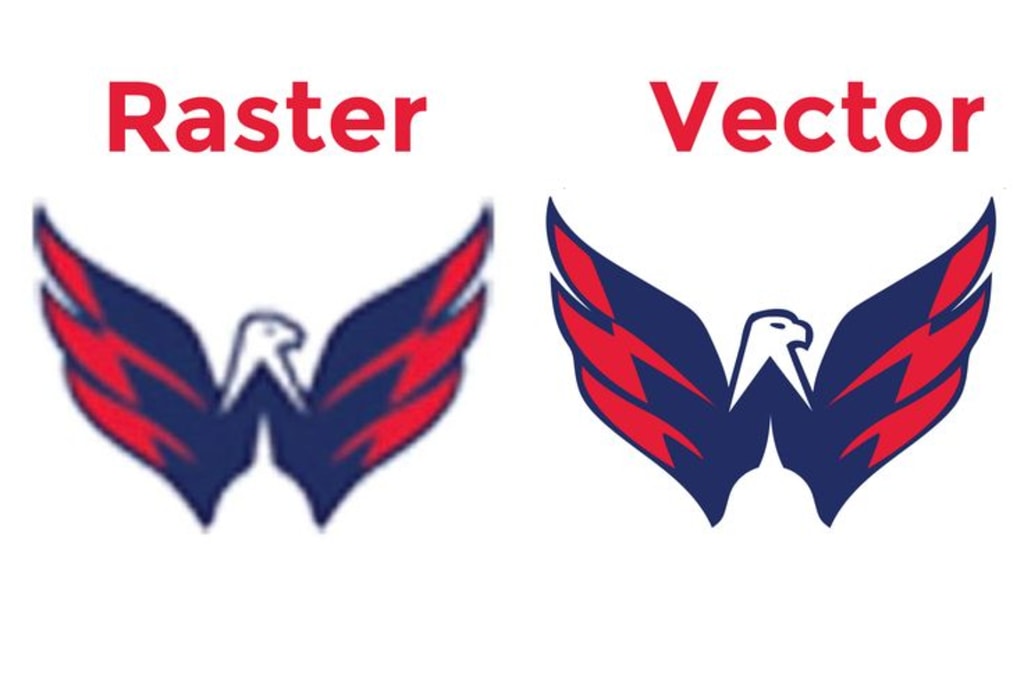
Raster and vector graphics are two fundamental types of digital images, each with distinct characteristics and applications. Raster images, commonly known as bitmap images, are composed of a grid of pixels, each represented by a specific color value. This pixel-based structure makes raster images suitable for displaying photographic details and intricate patterns. However, raster images suffer from scalability limitations, as enlarging them beyond their native resolution results in pixilation or loss of sharpness.
In contrast, vector graphics are defined by mathematical equations that describe shapes, lines, and curves. This geometric representation allows vector images to be scaled infinitely without compromising quality, making them ideal for applications that require precise and scalable graphics, such as logos, icons, and illustrations.
Raster to vector conversion, also known as vectorization or tracing, is the process of transforming a raster image into a vector image. This conversion process involves identifying and tracing the edges and boundaries of objects within the raster image, effectively replicating the original image in a vector format.
Benefits of Raster to Vector Conversion
Raster to vector conversion offers several advantages over using raster images directly:
Scalability:
Vector images can be enlarged or reduced without losing quality, making them suitable for various applications, including printing, signage, and web design.
Smoothness and Sharpness:
Vector images retain their sharpness and smoothness at any size, eliminating pixilation or jagged edges that can occur with raster images when scaled.
File Size:
Vector images are often smaller in file size compared to their raster counterparts, especially for images with large areas of solid color or simple shapes.
Editing Flexibility:
Vector images can be easily edited and modified without compromising their quality. Individual elements within a vector image can be resized, reshaped, and moved without affecting the overall image.
Applications of Raster to Vector Conversion
Raster to vector conversion is widely used in various industries and applications:
Logo Design and Branding:
Vectorized logos ensure consistent and high-quality reproduction across various mediums, from business cards and brochures to billboards and merchandise.
Illustration and Graphic Design:
Vector images are essential for creating scalable and editable illustrations, icons, and graphic elements that can be used in print, digital, and interactive media.
Embroidery and Textile Printing:
Vector images provide precise outlines and shapes for embroidery machines and textile printers, ensuring accurate and detailed designs on clothing, accessories, and other textile products.
Architectural Drawings and Plans:
Vectorized architectural drawings and plans allow for precise measurements, scaling, and modifications, ensuring accuracy and flexibility in construction projects.
Choosing a Raster to Vector Conversion Service
When selecting a raster to vector conversion service, consider the following factors:
Experience and Expertise:
Choose a company with a proven track record of providing high-quality raster to vector conversions.
Technology and Tools:
Ensure the company utilizes advanced software and tools to handle complex conversions and maintain accuracy.
Communication and Customer Service:
Prioritize a company that provides clear communication, timely updates, and responsive customer service.
Pricing and Packages:
Evaluate the pricing options and packages offered to find the best fit for your project requirements and budget.
Raster to vector conversion is a valuable tool for enhancing the scalability, versatility, and editing potential of raster images. By converting raster images to vector formats, businesses and individuals can create high-quality graphics that can be used in a wide range of applications, from print and signage to web design and embroidery.
About the Creator
Keep reading
More stories from writers in Art and other communities.
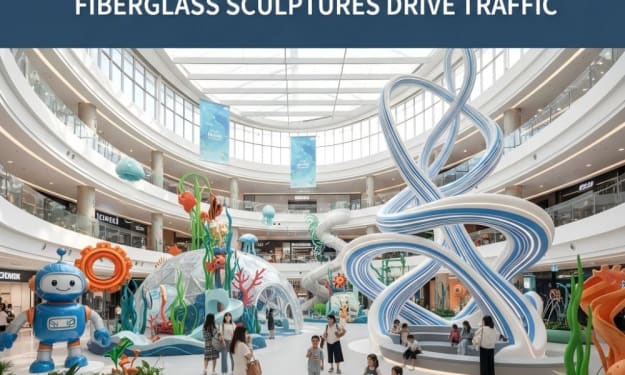
2026 Commercial Space Design:How Fbierglass Sculpture Drives Traffic
Today, offline commercial spaces are facing continuous pressure. With e-commerce offering convenient and fast services, physical stores must showcase unique features to attract customers. In this context, fiberglass sculptures are no longer merely decorative items; they have become visual focal points in shopping malls, brand stores, pop-up shops, and mixed-use commercial projects, playing a crucial role in increasing foot traffic.
By Shenzhen Ruiheng Crafts3 days ago in Art
Why Strategic Branding Is Essential for Long-Term Business Growth
In today’s fast-paced digital environment, businesses face constant pressure to stand out. Consumers are exposed to endless choices every day, making attention harder to earn and trust harder to keep. While quality products and services are important, they are no longer the only factors that determine success. Strategic branding plays a key role in helping businesses grow steadily and remain relevant over time.
By Ayush Bagwari3 days ago in Art


Comments
There are no comments for this story
Be the first to respond and start the conversation.