
Personal Finance and the Economy
Understanding the Interconnection for Financial Well-Being

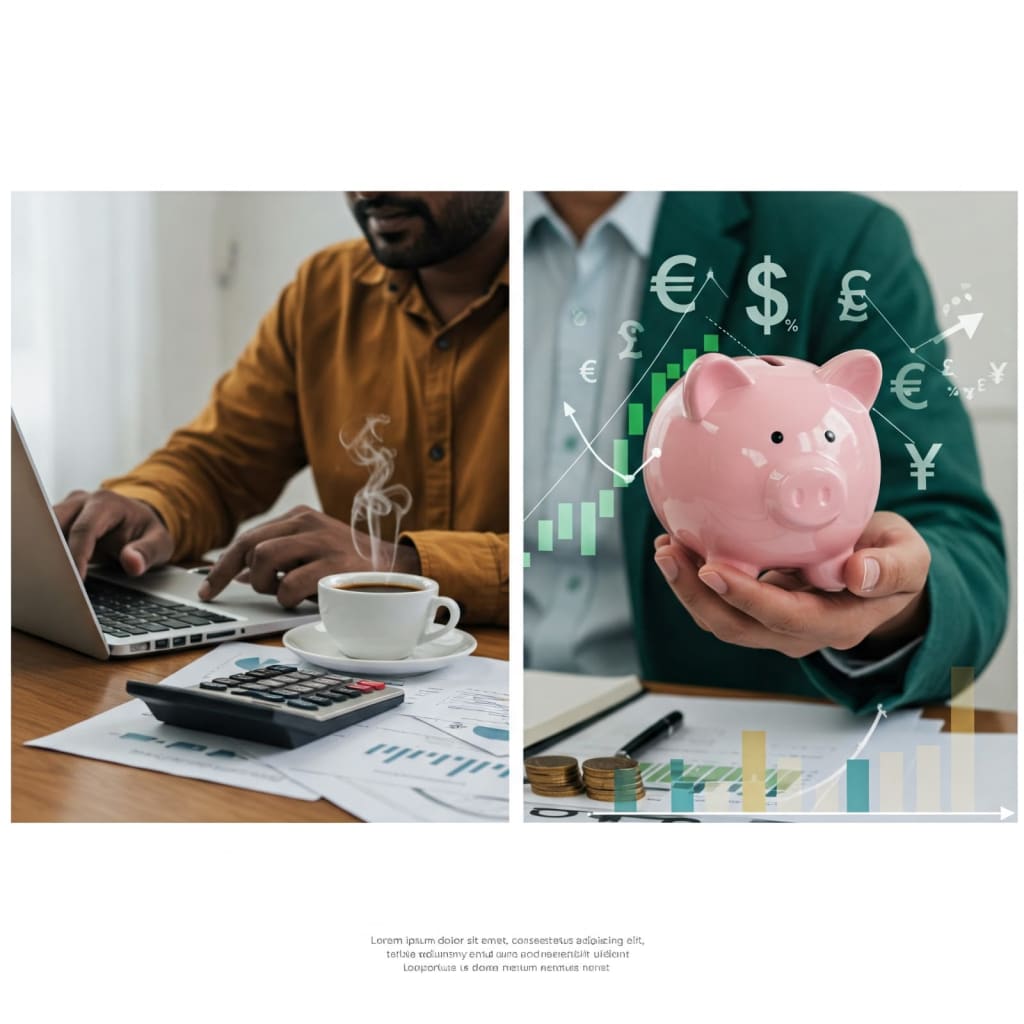
This article explores the dynamic relationship between personal finance and the economy, helping readers make informed choices about their money in a changing world.
What is Personal Finance?
Personal finance refers to the management of an individual's or household's financial activities. These activities include:
Budgeting
Saving
Investing
Managing debt
Planning for retirement
Insurance and risk management
Good personal finance is not about how much you earn but how you manage what you have. The key is making smart, sustainable decisions that align with your short- and long-term financial goals.
The Economy: A Bigger Picture
The economy refers to the large-scale system of production, distribution, and consumption of goods and services within a region or country. It includes:
Gross Domestic Product (GDP)
Inflation and deflation
Unemployment rates
Interest rates
Market cycles (booms and recessions)
These factors collectively influence the financial environment in which individuals operate. A strong economy often means more job opportunities, higher wages, and better returns on investments. Conversely, during a recession, people may face job losses, rising costs, and financial stress.
How the Economy Affects Personal Finance
The economy impacts almost every aspect of personal finance, often in subtle and interconnected ways. Here are several key areas to consider:
1. Employment and Income
Economic conditions directly influence job availability and wage growth. In a growing economy:
Companies hire more workers
Wages increase due to higher demand for labor
Consumers feel confident spending money
In contrast, during an economic downturn:
Businesses may lay off employees
Hiring freezes become common
Incomes stagnate or decrease
Understanding these trends can help individuals build emergency funds and prepare for income fluctuations.
2. Inflation and Purchasing Power
Inflation refers to the rise in prices of goods and services over time. While moderate inflation is normal, high inflation erodes purchasing power.
For example, if inflation is 5% and your salary remains the same, your ability to buy the same amount of groceries or fuel declines. This affects:
Budgeting accurac
Saving goals
Cost of living
Adjusting financial plans to account for inflation—such as investing in inflation-protected assets or negotiating salary increases—becomes essential.
3. Interest Rates and Borrowing Costs
The central bank (like the Federal Reserve in the U.S.) adjusts interest rates to control inflation and economic growth. When interest rates are low:
Loans (like mortgages or car loans) become cheaper
People borrow more and spend more
When rates rise:
Credit card debt and loans become more expensive
Saving becomes more attractive due to higher returns
Smart personal finance involves timing large purchases and loan decisions with prevailing interest rate trends.
4. Stock Markets and Investment Returns
Economic health also drives the stock market, which impacts:
Retirement accounts (401(k), IRAs)
Personal investment portfolios
Real estate values
Bull markets (rising markets) often correlate with economic growth and higher returns, encouraging more investments. Bear markets (declining markets), on the other hand, can lead to losses and shaken investor confidence.
Diversifying investments and having a long-term strategy helps weather economic fluctuations.
The Importance of Financial Literacy
In a rapidly changing economic environment, financial literacy is a crucial life skill. Being financially literate means understanding:
Basic economic indicators (like inflation, GDP, interest rates)
The impact of taxes and government policies
How to manage credit, debt, and savings
This knowledge empowers individuals to:
Make informed decisions during economic uncertainty
Avoid panic during market downturns
Plan for retirement or education with realistic expectations
Personal Finance Strategies for Any Economy
Whether the economy is booming or in a slump, certain financial principles remain timeless:
1. Build an Emergency Fund
Aim for 3–6 months’ worth of expenses saved in an easily accessible account. This provides a cushion during job loss or economic slowdowns.
2. Budget Consistently
Track income and expenses monthly. Tools like budgeting apps or spreadsheets can help manage spending and avoid unnecessary debt.
3. Invest for the Long Term
Avoid trying to time the market. Instead, focus on consistent contributions to retirement accounts and diversified investments.
4. Limit High-Interest Debt
Credit card debt can spiral out of control, especially when interest rates rise. Pay off high-interest balances and use credit responsibly.
5. Stay Informed
Keep an eye on economic news and trends. Understanding where the economy is headed can help you adjust financial plans proactively.
The Role of Government and Policy
Public policy—like stimulus packages, tax reforms, or changes in interest rates—can significantly impact personal finance. For instance:
Government relief during the COVID-19 pandemic helped millions avoid financial ruin.
Tax deductions and credits influence take-home pay and savings.
Being aware of policy changes allows individuals to take advantage of benefits and avoid penalties.
About the Creator
Saim Bill
I’m a passionate article writer who loves sharing ideas, stories, and insights with the world.
A Matter of Coincidence
Tuesday, 3 September 2024 Ayesha Fareed Ahmed, Mirpur Khas Sheeda was a simple and innocent man. One day, he was going to his wife’s village to bring her back. On the way, he saw some donkeys grazing on grass at a certain place. Eventually, he reached his in-laws’ house. His wife’s brother asked him to sit in the guest room.
By Sudais Zakwan2 days ago in Art
What Fine Line Tattoo Excellence Looks Like in Professional Practice
When you sit in the chair of one of the best fine line tattoo artists, you feel it straight away. The calm, the care, the way they handle your skin and your nerves at the same time. Fine line work looks light and effortless from the outside, but real excellence is anything but casual.
By Tools of Trade Studios6 days ago in Art
The Devil's Cut
“Comrade, finally you’re awake.” The voice was smooth, sensual. A flickering incandescent bar was all that lit the white, sterile room. All Vladimir remembered was everything going black. He tried to move his arms and found them strapped to the gurney.
By Matthew J. Fromm5 days ago in Fiction




Comments
There are no comments for this story
Be the first to respond and start the conversation.