
Pakistan deploys helicopters, drones to end standoff with Baloch rebels
Security forces intensify operations in Balochistan amid rising insurgent activity
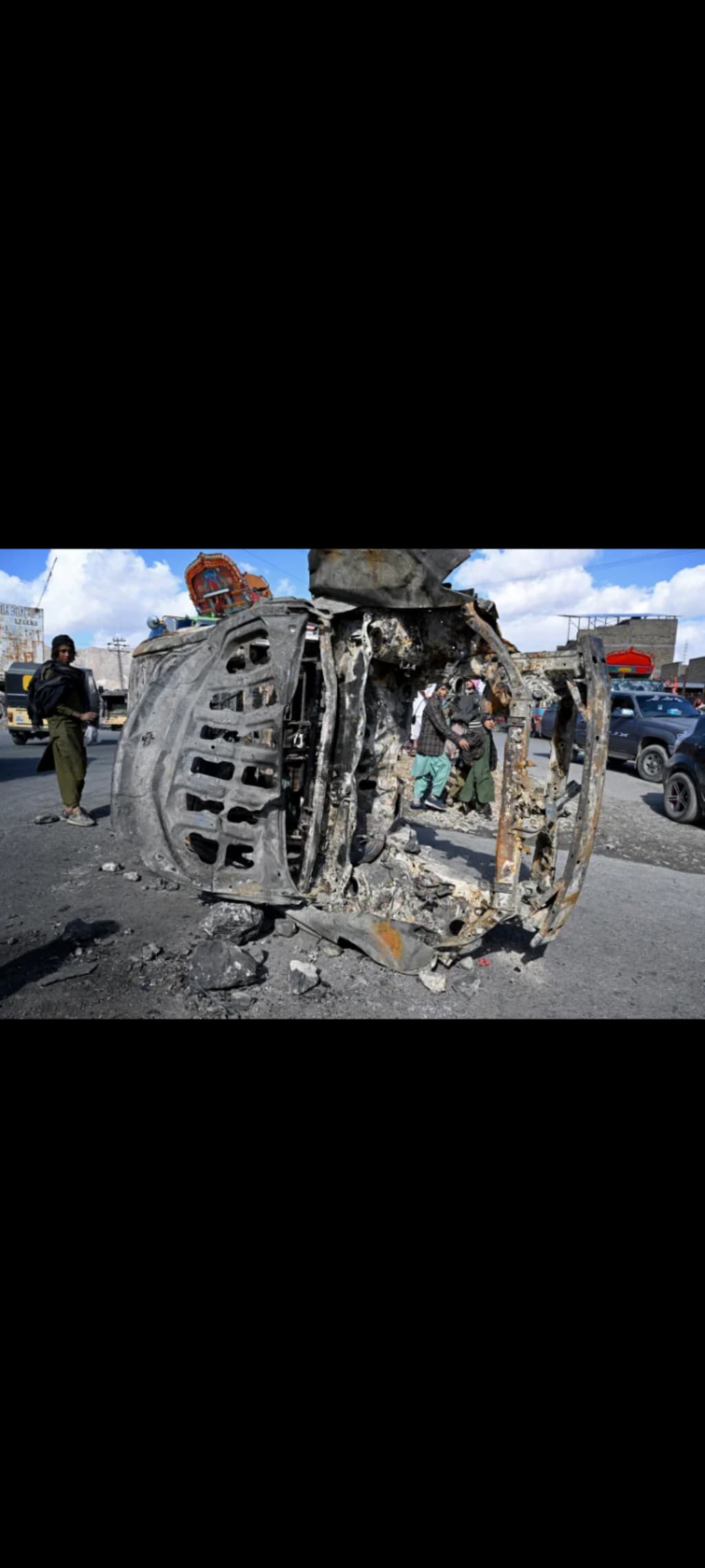
Pakistan Deploys Helicopters, Drones to End Standoff With Baloch Rebels
Pakistan’s security forces have intensified operations in Balochistan by deploying helicopters and surveillance drones to break a prolonged standoff with Baloch rebel groups, underscoring the growing complexity of internal security challenges in the country’s largest and most volatile province. The move reflects Islamabad’s determination to restore control while balancing military pressure with political and social sensitivities in a region long marked by unrest.
A Long-Running Conflict in Balochistan
Balochistan, rich in natural resources yet economically underdeveloped, has been the center of an insurgency for decades. Several Baloch rebel groups accuse the federal government of exploiting the province’s gas, mineral, and coastal resources without fairly benefiting the local population. These grievances have fueled cycles of violence involving attacks on security forces, infrastructure, and development projects.
The latest standoff reportedly emerged after armed militants entrenched themselves in remote, mountainous terrain, making conventional ground operations difficult. Security officials say the rebels used the rugged geography to their advantage, forcing authorities to rely on air surveillance and precision tactics rather than large-scale troop movements.
Role of Helicopters and Drones
The deployment of helicopters and drones marks a strategic shift toward technology-driven counterinsurgency. Drones provide real-time intelligence, enabling forces to monitor militant movement, identify hideouts, and minimize blind spots in hard-to-access areas. Helicopters, meanwhile, allow rapid troop deployment, medical evacuations, and logistical support in terrain where roads are scarce or unsafe.
Security analysts note that aerial assets reduce risks to ground forces while increasing operational efficiency. However, they also raise concerns about escalation, particularly if air operations lead to civilian displacement or damage to local livelihoods.
Pakistani authorities maintain that the use of air power is carefully calibrated. Officials emphasize that surveillance drones are primarily used for intelligence gathering rather than strikes, aiming to avoid collateral damage and maintain public trust.
Strategic Importance of Balochistan
Balochistan’s significance extends beyond domestic security. The province is central to the China-Pakistan Economic Corridor (CPEC), a multi-billion-dollar infrastructure initiative linking western China to Pakistan’s Gwadar port. Rebel attacks on Chinese interests and construction projects have heightened pressure on Islamabad to stabilize the region.
Protecting CPEC has become a top priority for Pakistan’s military and civilian leadership. The current operation is widely seen as part of broader efforts to secure transport routes, energy projects, and strategic assets tied to national economic goals.
Government’s Official Stance
Pakistan’s government has framed the operation as a necessary step to uphold law and order and protect citizens. Officials stress that negotiations remain an option, but only if militant groups lay down arms. According to government statements, development and reconciliation remain long-term goals, yet immediate security threats must be addressed decisively.
The military has reiterated that it distinguishes between armed militants and ordinary civilians, urging local communities to cooperate with security forces. Authorities have also highlighted ongoing development programs, including infrastructure, education, and employment initiatives aimed at addressing root causes of unrest.
Human Rights and Local Concerns
Despite official assurances, human rights organizations continue to express concern over military operations in Balochistan. Past campaigns have been criticized for enforced disappearances, restricted media access, and limited accountability. The increased use of aerial surveillance has reignited fears of expanded militarization.
Local leaders argue that security measures alone cannot resolve the conflict. They emphasize the need for political dialogue, fair resource distribution, and genuine provincial autonomy. Without addressing these underlying issues, critics warn that military pressure may only provide temporary stability.
Regional and Security Implications
The standoff also carries regional implications. Baloch insurgent movements have cross-border dimensions, particularly near Iran and Afghanistan. Pakistan has accused hostile foreign elements of exploiting Baloch grievances, a claim often denied by neighboring states. Nonetheless, the situation adds another layer of complexity to Pakistan’s already fragile regional security environment.
For Pakistan’s armed forces, the operation serves as a test of modern counterinsurgency doctrine, blending intelligence, technology, and targeted force. Success could shape future responses to internal security threats across the country.
Looking Ahead
As helicopters circle and drones scan the rugged hills of Balochistan, the immediate goal is clear: end the standoff without triggering wider unrest. Whether this objective can be achieved through military means alone remains uncertain.
Many observers argue that lasting peace in Balochistan will depend on parallel political efforts—meaningful dialogue, economic inclusion, and respect for local identity. Until then, Pakistan’s reliance on helicopters and drones highlights both the urgency of the security challenge and the limits of force in resolving deep-rooted conflicts.
For now, the operation reflects Islamabad’s attempt to assert control while navigating a delicate balance between security imperatives and the enduring aspirations of the Baloch people.
---
If you want, I can also:
Rewrite it in more neutral news tone
Optimize it for SEO
Add subheadings in Vocal Media style
Simplify it for general readers
Just tell me 👍
About the Creator
Keep reading
More stories from Sain Hafiz and writers in Art and other communities.
When health insurance costs more than the mortgage
For millions of households, the monthly mortgage payment has long been considered the single biggest expense. Yet an uncomfortable shift is underway: in many families, health insurance premiums now rival—or even exceed—the cost of owning a home. This phenomenon is reshaping personal finances, altering career decisions, and raising urgent questions about the sustainability of modern healthcare systems.
By Sain Hafiz3 days ago in Art
Atmospheres of Meaning: Ida Shaghoian and the Language of Quiet Abstraction
In contemporary art, where urgency and bold statements often dominate visual culture, Ida Shaghoian offers an alternative rooted in stillness and reflection. Her paintings unfold slowly, inviting viewers to engage with mood rather than message. Instead of presenting a clear narrative or identifiable location, her work creates environments shaped by feeling, memory, and subtle transition. Each canvas functions as an open space where interpretation is guided by emotion rather than instruction.
By Ida Shaghoian6 days ago in Art
When To Drop A Writer
Sometimes, there will arise a problem between writer and artist. There are plenty of reasons for this to happen, and when it happens, the adult thing to do is to just message the other person that you’ll be breaking off business dealings with the person and then going on to the next project. You can negotiate, especially if you have a split-profits deal, so avoid blocking them for as long as possible (although in some cases a clean break is best). Each situation is unique, so get as much advice as possible before making a rash decision. Also, remember that in business, paranoia is a good thing: Keep records of every interaction. How you’ll proceed is up to you when you decide to break up, but something needs to be done.
By Jamais Jochim6 days ago in Art




Comments
There are no comments for this story
Be the first to respond and start the conversation.