
Pablo Picasso: An Exposition Through the Blue and Rose Periods.
An analysis on the Blue and Rose period

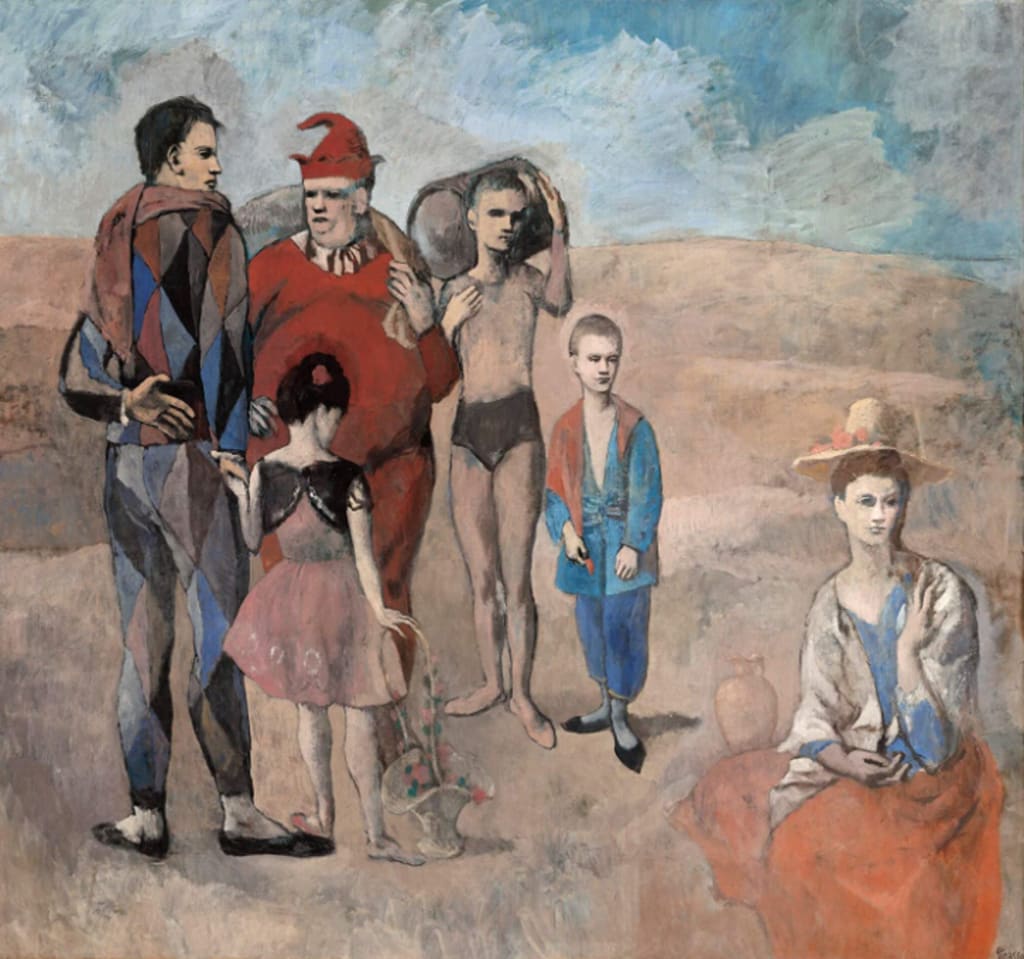
Pablo Picasso, one of the most influential artists of the 20th century, is renowned for his revolutionary artistic styles and groundbreaking contributions to modern art. However, behind the masterpieces lies a tumultuous journey of emotional turmoil and profound introspection, reflected in his transition from the somber tones of the Blue Period to the vibrant hues of the Rose Period. This journey not only encapsulates Picasso's mental health struggles but also his eventual emotional awakening amidst the bohemian atmosphere of Montmartre at the Bateau-Lavoir.
The Blue Period, spanning from 1901 to 1904, marked a significant phase in Picasso's life and artistic career. During this period, he experienced profound feelings of melancholy, isolation, and despair, which were reflected in the predominant use of blue tones in his paintings. The death of his close friend Carlos Casagemas in 1901 deeply affected Picasso, plunging him into a state of grief and existential reflection. This period of mourning, combined with his struggles with poverty and disillusionment, culminated in artworks characterized by themes of poverty, loneliness, and human suffering.
Picasso's Blue Period masterpieces, such as "The Old Guitarist" and "La Vie," evoke a sense of profound sadness and introspection. In these works, emaciated figures are depicted in bleak settings, conveying a sense of emotional desolation and existential angst. The somber palette of blues and grays further accentuates the melancholic mood, emphasizing the artist's deep-seated feelings of alienation and despair.
However, amidst the darkness of the Blue Period, a glimmer of hope emerged with Picasso's transition to the Rose Period. This transformative phase, which began around 1904, marked a significant shift in both the artist's emotional state and his artistic style. Inspired by newfound love and a sense of renewal, Picasso embraced warmer tones and more optimistic themes in his work.
The Rose Period is characterized by a palette of soft pinks, warm oranges, and vibrant reds, reflecting Picasso's newfound sense of vitality and emotional awakening. During this period, Picasso found solace and inspiration amidst the bohemian community of Montmartre, particularly at the renowned gathering place known as the Bateau-Lavoir. Here, amidst a vibrant milieu of poets, writers, and fellow artists, Picasso found a sense of belonging and creative energy that would profoundly influence his work.
At the Bateau-Lavoir, Picasso immersed himself in the lively atmosphere of intellectual exchange and artistic experimentation. Surrounded by like-minded individuals who shared his passion for creativity and innovation, Picasso experienced a renaissance of sorts, both personally and artistically. It was here that he formed deep friendships with influential figures such as Guillaume Apollinaire, Max Jacob, and Gertrude Stein, who would become instrumental in shaping his artistic vision.
The Rose Period is characterized by a series of paintings depicting circus performers, harlequins, and acrobats, symbolizing themes of joy, vitality, and the human spirit. Works such as "Family of Saltimbanques" and "Acrobat and Young Harlequin" capture the whimsical charm and theatricality of the circus world, imbuing the subjects with a sense of grace and innocence.
In contrast to the somber introspection of the Blue Period, the Rose Period represents a newfound sense of optimism and emotional liberation for Picasso. Through his exploration of vibrant colors and playful subject matter, Picasso sought to convey the beauty and resilience of the human spirit, celebrating life in all its complexity and diversity.
The transition from the Blue to the Rose Periods in Picasso's work reflects not only a shift in artistic style but also a profound evolution in his emotional and psychological state. Through his exploration of color, form, and subject matter, Picasso embarked on a journey of self-discovery and emotional awakening, leaving an indelible mark on the history of art for generations to come.
About the Creator
Janie
Passionate about unraveling the intricate tapestry of art history and contemporary artistic expressions. Beyond brushstrokes and colors, into the mental and physical struggles of artists.
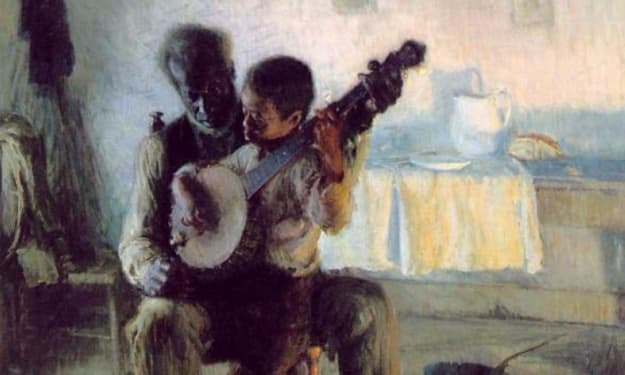
'Till Death We Do Art
There would be nothing divine in this world without art. Nature may surpass the divine to all intents and purposes, but like everything it absorbs and is absorbed by, it remains here, stuck on the surface of this world, ever-present, physically bound to the universe.
By Avocado Nunzella BSc (Psych) -- M.A.P 26 days ago in Art
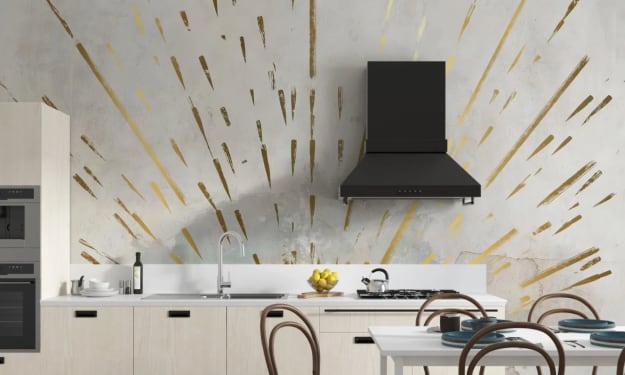
Modern Wall Decor Ideas with Bathroom Wallpaper and Kitchen Wallpaper
Creating Beautiful Interiors with Wall Decor A well-designed home begins with thoughtful wall decor choices that reflect both style and personality. Walls are often the largest surfaces in any room, so the way they are decorated has a major impact on the overall atmosphere of a space. From minimalist textures to bold decorative patterns, modern wall design has evolved into an important part of interior styling. By choosing decorative elements that complement furniture, lighting, and color palettes, homeowners can create a balanced and inviting environment that feels both comfortable and visually appealing.
By Wallanza Wallpaper2 days ago in Art


Comments