

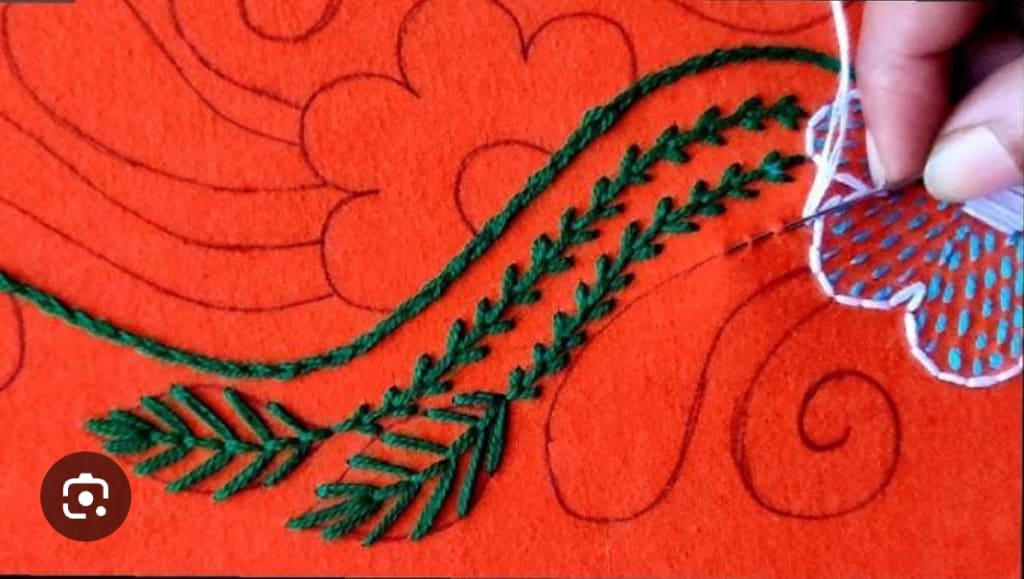
Nakshi Kantha: The Embroidered Legacy of Bengal
Nakshi Kantha, the traditional embroidered quilt of Bengal, is much more than a household item—it is a canvas of dreams, memories, and cultural heritage, lovingly stitched by the hands of rural women for generations. With roots deeply embedded in the rural life of Bangladesh and West Bengal in India, Nakshi Kantha is a unique form of folk art that blends functionality with storytelling, transforming everyday cloth into a reflection of life’s joys, sorrows, and aspirations.
Origins and History
The word kantha simply means "quilt" in Bengali, while nakshi is derived from naksha, meaning artistic pattern or design. The tradition of kantha-making dates back to ancient times, with some historians tracing its origins as far back as the 1st or 2nd century BCE. However, the more recognized form of Nakshi Kantha took shape in the 19th century.
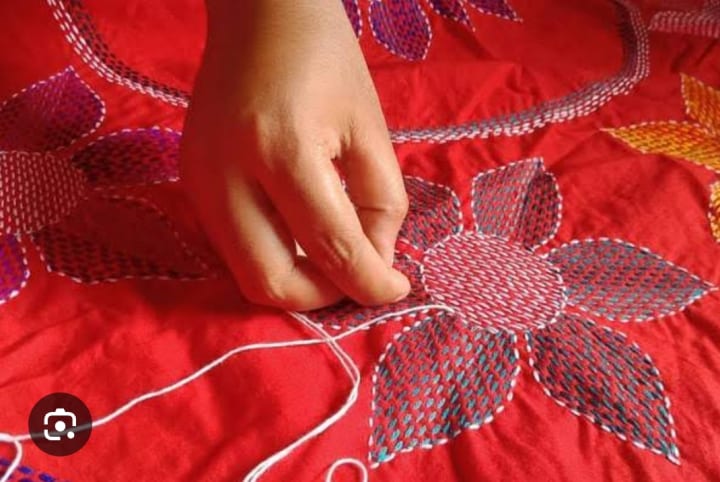
Traditionally, Nakshi Kantha was created by repurposing old saris, dhotis, and lungis. Women would layer these worn-out fabrics and stitch them together using simple running stitches, often with colorful threads pulled from the borders of the original garments. What began as a way to recycle old clothes gradually evolved into a deeply personal and artistic expression of rural life.
The Craft and Techniques
The beauty of Nakshi Kantha lies in its simplicity. The primary stitch used is the running stitch, locally known as the "kantha stitch." However, artisans also incorporate other stitches such as chain, herringbone, and satin stitches to add variety and texture. The designs are typically drawn freehand, making each piece unique.
Patterns range from geometric shapes and floral motifs to detailed depictions of daily village life, folklore, animals, religious symbols, and mythological tales. These motifs are not random; they often carry cultural symbolism or personal meaning. For instance, a lotus may symbolize purity, while a tree could represent life and continuity.
Remarkably, most Nakshi Kantha artisans have no formal training. The skills are passed down from mother to daughter, along with stories, traditions, and a natural sense of design.
Types of Nakshi Kantha
Over time, various types of Nakshi Kantha have developed, based on their specific uses. Some of the most notable types include:
Lep Kantha: Quilted wraps used for warmth.
Sujni Kantha: Decorative quilts used during special occasions or as bedspreads.
Baiton Kantha: Used for wrapping books and valuable items.
Durjani or Thalia Kantha: Small wraps used to carry items or cover plates.
Oaar Kantha: Pillow covers.
Rumal Kantha: Napkins or handkerchiefs.
Each type serves a distinct purpose, but all feature the characteristic embroidery techniques that define Nakshi Kantha.
Cultural and Emotional Significance
For rural women, making a Nakshi Kantha is more than just sewing—it is a meditative and emotional journey. Women often create these quilts as part of their wedding trousseau, stitching their hopes and dreams for married life into the fabric. Others craft them in memory of loved ones, using fabric from the clothing of the deceased, turning the quilt into a cherished keepsake.
Because of this deeply personal nature, each Nakshi Kantha is a narrative—a stitched diary of the maker’s life. Themes of motherhood, nature, domestic scenes, and spirituality often dominate, offering a rich visual record of village life in Bengal.
Revival and Modern Adaptations
In the latter half of the 20th century, Nakshi Kantha began to decline due to industrialization and changing lifestyles. However, in the 1980s and 1990s, efforts to revive the art form gained momentum, led by NGOs and cultural organizations aiming to preserve traditional crafts and empower rural women.
Today, Nakshi Kantha has moved beyond its utilitarian roots and found a place in modern fashion and interior design. Designers now incorporate kantha embroidery into sarees, kurtas, cushion covers, wall hangings, bags, and even Western clothing. This revival has created new economic opportunities for thousands of women, turning a traditional domestic skill into a viable livelihood.
Bangladesh has embraced Nakshi Kantha as a symbol of national heritage. In 2008, it was awarded Geographical Indication (GI) status, recognizing its cultural significance and its unique connection to the region.
Conclusion
Nakshi Kantha is not just an art form—it is a living tradition, a silent storyteller, and a shining example of how beauty and creativity can arise from the simplest materials. In an age of fast fashion and mass production, Nakshi Kantha stands out as a symbol of slow, meaningful craftsmanship.
As the world grows more appreciative of handmade and sustainable goods, the story of Nakshi Kantha continues to evolve—one stitch at a time—preserving the voices and visions of countless women who transformed thread and cloth into lasting works of art.

About the Creator
Keep reading
More stories from Nabir Mondol and writers in Art and other communities.
Sokher Hari
Sokher Hari: The God of Devotion and Longing in Bengali Folklore In the rich and diverse cultural tapestry of Bengal, few deities capture the essence of personal devotion and intimate spiritual longing quite like Sokher Hari. Often revered as a deeply personal manifestation of Lord Krishna, Sokher Hari occupies a special place in the hearts of rural and folk communities across Bengal, especially in regions like Nadia, Murshidabad, and parts of Bangladesh.
By Nabir Mondol10 months ago in Art
'Till Death We Do Art
There would be nothing divine in this world without art. Nature may surpass the divine to all intents and purposes, but like everything it absorbs and is absorbed by, it remains here, stuck on the surface of this world, ever-present, physically bound to the universe.
By Avocado Nunzella BSc (Psych) -- M.A.P 16 days ago in Art
Sahara Desert of Merzouga: The Complete Travel Blog Guide
Sahara Desert of Merzouga is one of the top places, you should not miss when visiting Morocco. It's place where golden dunes stretch endlessly, camels walk across the horizon, and nights sparkle with a sky full of stars. Located near the Algerian border, Merzouga is the gateway to the spectacular Erg Chebbi dunes, the most lovely sand dunes in Morocco. Merzouga desert is highly recommended among travelers due to its lovely high, clean and golden dunes offering visitors the chance to enjoy their vacation. Morocco Tours Company
By Othmane Anaam2 days ago in Art




Comments
There are no comments for this story
Be the first to respond and start the conversation.