
Muraqba, aura, and chi
concepts related to meditation, energy, and spiritual practices.
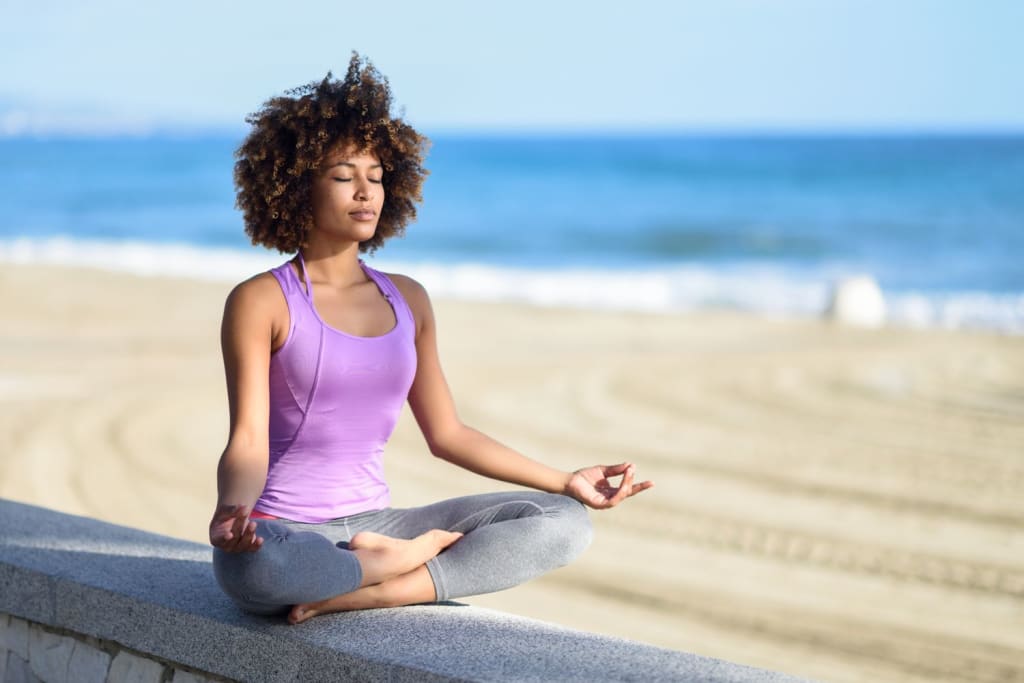
Muraqba, aura, and chi are concepts related to meditation, energy, and spiritual practices. Let's explore each of these concepts individually:
1. Muraqba: Muraqba is an Arabic term that refers to the practice of meditation or contemplation. It is commonly used in Sufism, which is a mystical branch of Islam. Muraqba involves focusing one's attention and awareness on a specific object, idea, or visualization to achieve a deeper state of consciousness or spiritual connection. It can be practiced in various ways, such as focusing on the breath, repeating a mantra, or visualizing a specific image or concept. The goal of muraqba is to attain spiritual insight, self-awareness, and a closer connection with the divine.
2. Aura: The aura is believed to be an electromagnetic field of energy that surrounds and permeates living beings, including humans. It is commonly associated with spiritual and metaphysical practices. According to some belief systems, the aura reflects an individual's physical, mental, emotional, and spiritual states. It is often depicted as a colored field of energy surrounding the body, and different colors are associated with different aspects of a person's well-being. Techniques for working with the aura can include visualization, energy healing, and aura cleansing practices. Some people claim to have the ability to see or sense auras.
3. Chi (Qi): Chi, also known as Qi in Chinese culture, is the concept of life force or vital energy. It is a fundamental concept in traditional Chinese medicine, martial arts (such as Tai Chi and Qigong), and other Chinese practices. Chi is believed to flow through specific pathways in the body called meridians, and its balance and harmonious flow are thought to be essential for maintaining health and well-being. Various techniques, including breathwork, movement exercises, meditation, and acupuncture, are employed to cultivate and balance chi energy in the body. The practice of working with chi is aimed at promoting physical health, emotional balance, and spiritual development.
It's important to note that these concepts are rooted in different cultural and spiritual traditions, and their understanding and practice may vary among individuals and communities. Additionally, the scientific validity of these concepts and practices is a subject of debate and ongoing research. It's always advisable to approach such practices with an open mind and consult qualified practitioners or teachers for guidance.
techniques:
1. Muraqba: In the practice of muraqba, the goal is to achieve a state of deep concentration and mindfulness. It involves focusing one's attention inward and directing it towards a specific point of focus. This can be done by focusing on the breath, a particular word or phrase (mantra), an image, or a concept. The purpose is to quiet the mind, detach from external distractions, and enter a state of heightened awareness and spiritual connection. Muraqba is often practiced in a seated position, but it can also be done while engaging in daily activities, known as "active muraqba."
2. Aura: The concept of the aura is found in various spiritual and healing traditions. According to these beliefs, the aura is an energetic field that surrounds the physical body and is composed of different layers or levels. Each layer is associated with different aspects of an individual, including the physical, emotional, mental, and spiritual dimensions. It is believed that the aura can reflect a person's state of health, emotions, and energy. Techniques for working with the aura can include visualization exercises to perceive and manipulate the energy field, energy healing practices such as Reiki or pranic healing, and aura cleansing techniques such as smudging or bathing in energized water.
3. Chi (Qi): Chi is a concept deeply ingrained in traditional Chinese culture and philosophy. It is considered the vital life force or energy that animates all living beings. In Chinese medicine, the balance and flow of chi throughout the body are seen as crucial for maintaining health and well-being. There are various techniques used to cultivate and balance chi, including:
• Qigong: A practice involving slow, coordinated movements, deep breathing, and meditation to cultivate and balance chi.
• Tai Chi: An internal martial art that emphasizes the flow of chi through a series of gentle and continuous movements.
• Acupuncture: The insertion of fine needles into specific points on the body to stimulate and balance the flow of chi along the meridians.
• Chinese herbal medicine: The use of specific herbs and formulas to support the flow and balance of chi in the body.
1. Muraqba: In the context of Sufism, muraqba is often practiced as a form of spiritual meditation that aims to attain a deep connection with the Divine. The practice involves focusing one's attention inward and engaging in self-reflection to gain insights into one's spiritual journey. It can include various elements such as breath control, visualization, repetition of sacred phrases, and contemplation of divine attributes. The goal of muraqba is to reach a state of heightened spiritual awareness, inner peace, and closeness to God.
2. Aura: In addition to the spiritual aspects, the concept of the aura is also explored from a scientific and metaphysical perspective. Some people claim to have the ability to perceive or sense the aura around living beings, describing it as a luminous field of energy. Various colors and patterns are associated with different emotional states, health conditions, or spiritual development. Techniques for working with the aura can involve energy healing practices, such as using hands or specific tools to detect and balance the energy flow, or aura photography that attempts to capture and visualize the aura.
3. Chi (Qi): Chi, in traditional Chinese philosophy, is considered the vital life force or energy that flows through all things. It is believed to circulate along meridians or energy channels in the body, nourishing and supporting the organs and tissues. There are different ways to cultivate and balance chi:
• Qigong: Qigong encompasses a wide range of practices, including gentle movements, breath control, and meditation. It aims to cultivate and balance chi, improve physical health, and enhance overall well-being.
• Tai Chi: Tai Chi is an internal martial art that focuses on the flow of chi. It involves slow, deliberate movements and deep breathing to promote relaxation, balance, and harmony in both the body and mind.
• Acupuncture: Acupuncture is a technique that involves inserting thin needles into specific points along the meridians to stimulate the flow of chi and restore balance in the body.
• Herbal Medicine: Chinese herbal medicine utilizes specific herbs and formulas to support the flow of chi and address imbalances or disharmonies in the body.
These practices aim to enhance vitality, improve health, and promote a sense of harmony and balance in the body's energy system.
It's important to remember that the effectiveness and interpretation of these techniques can vary, and personal experiences may differ. It's always advisable to seek guidance from qualified practitioners or teachers who have expertise in these practices.
About the Creator
Keep reading
More stories from Waqar Baig and writers in Art and other communities.
CLIMATE CHANGE
Climate change is an ongoing phenomenon that refers to long-term shifts in weather patterns and global temperatures due to human activities, primarily the emission of greenhouse gases into the atmosphere. While climate change is a gradual process, it can lead to an increase in the frequency and intensity of extreme weather events, which can have devastating impacts on communities and ecosystems.
By Waqar Baig3 years ago in Earth
'Till Death We Do Art
There would be nothing divine in this world without art. Nature may surpass the divine to all intents and purposes, but like everything it absorbs and is absorbed by, it remains here, stuck on the surface of this world, ever-present, physically bound to the universe.
By Avocado Nunzella BSc (Psych) -- M.A.P 18 days ago in Art
When Acting Wasn’t Enough: The Journey of Andreas Szakacs
For Andreas Szakacs, that moment came after years in front of the camera. He had learned the craft, explored characters, and felt the thrill of live audiences. But behind every scene, he found himself watching the bigger picture. Directors shaping moments, cinematographers bending light, writers debating story — the world behind the lens fascinated him as much as the one in front of it.
By Andreas Szakacs3 days ago in Art




Comments
There are no comments for this story
Be the first to respond and start the conversation.