
Molded Pulp Packaging: The Future of Sustainable Luxury
Molded Pulp Packaging
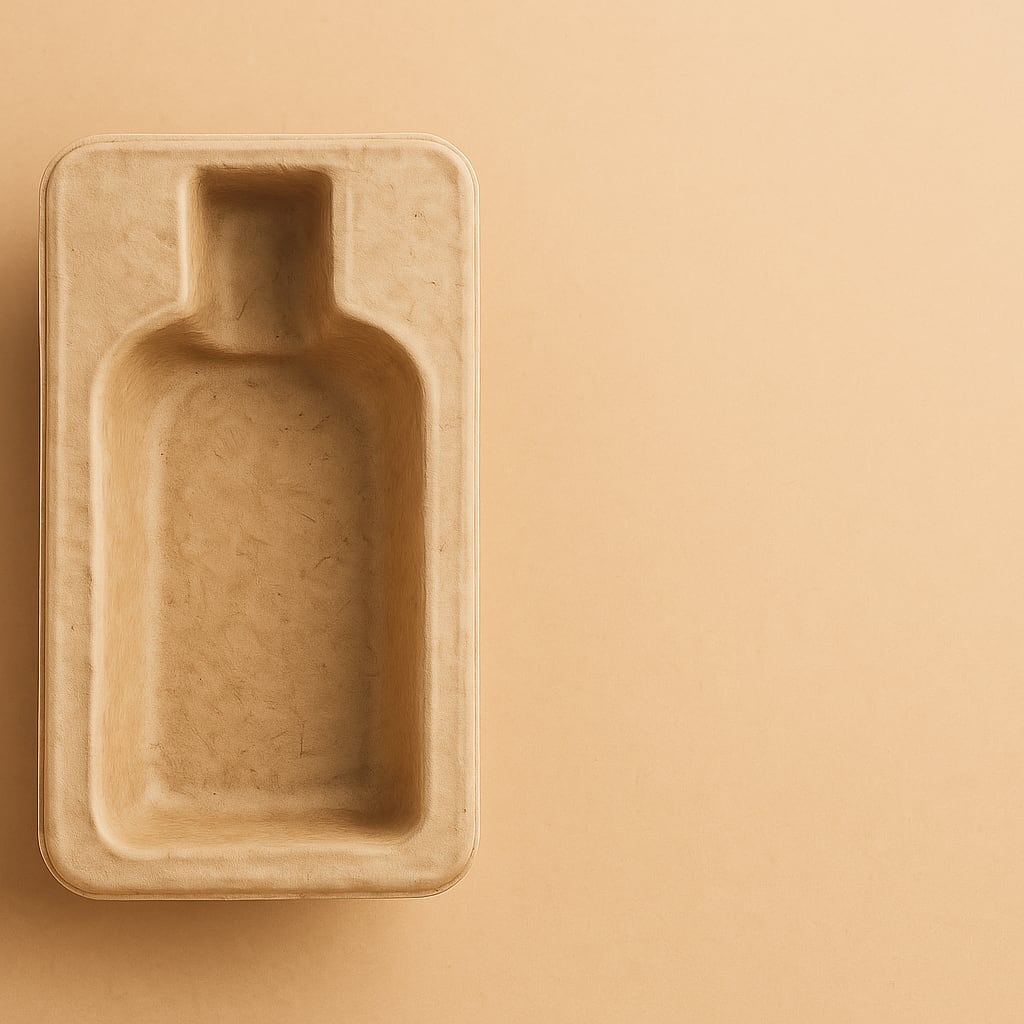
In an age where sustainability is as important as aesthetics, molded pulp packaging has emerged as a game-changer for luxury brands seeking eco-friendly solutions without compromising on elegance. This innovative packaging material not only protects delicate products but also sends a powerful message of environmental responsibility, aligning perfectly with the growing consumer demand for greener choices.
Luxury packaging has long been associated with premium finishes, intricate designs, and sturdy structures. While these qualities remain essential, the materials behind them are evolving rapidly. Consumers, especially in the high-end market, are more informed than ever, expecting brands to take tangible steps toward reducing their environmental footprint. Molded pulp packaging answers this call by offering both beauty and biodegradability in one sophisticated solution.
What is Molded Pulp Packaging?
Molded pulp packaging is created from recycled paper, cardboard, and other natural fibers, shaped into durable forms that can cradle products securely. Unlike traditional plastics or foam inserts, molded pulp is biodegradable, compostable, and recyclable. It’s not only a protective casing but also a design-friendly material that can be tailored to fit the contours of luxury goods such as perfumes, cosmetics, jewelry, and gourmet treats.
The process involves pulping the recycled material, molding it into precise shapes, and drying it to achieve strength and rigidity. The result is packaging that is both functional and visually appealing—capable of meeting the high standards of the luxury sector.
The Sustainability Edge
One of the most compelling reasons for the rise of molded pulp packaging is its sustainability profile. It’s manufactured from renewable resources and can return to the earth without leaving harmful residues. This positions it as a perfect fit for brands looking to integrate circular economy principles into their operations.
Compared to plastic or polystyrene, molded pulp requires less energy in production and generates fewer greenhouse gas emissions. By adopting this material, luxury brands can reduce their carbon footprint and demonstrate a genuine commitment to environmental stewardship—a factor that increasingly influences purchasing decisions.
Luxury Without Compromise
The word “luxury” traditionally evokes images of glossy finishes, intricate embossing, and weighty boxes that convey exclusivity. Molded pulp packaging can meet these expectations with surprising versatility. It can be dyed in custom colors, finished with soft-touch coatings, and even paired with premium outer shells made from cardboard or rigid board for a layered unboxing experience.
Some brands use molded pulp trays inside luxury boxes, combining the eco-friendly core with an exterior that reflects their visual identity. This hybrid approach delivers both the tactile satisfaction of luxury packaging and the environmental benefits consumers now seek.
Benefits for High-End Brands
Custom Fit Protection
Molded pulp can be designed to fit a product’s exact dimensions, ensuring maximum protection during transit while enhancing the presentation inside the box.
Design Flexibility
Shapes, textures, and finishes can be customized to align with brand aesthetics, from sleek modern minimalism to artisanal craftsmanship.
Cost Efficiency
Once the molds are created, production is relatively cost-effective, especially for larger runs. Plus, the lightweight nature of molded pulp can help reduce shipping costs.
Positive Brand Perception
In an era where eco-credibility influences purchasing decisions, using sustainable packaging can strengthen a brand’s reputation and loyalty among discerning customers.
The Consumer Connection
Consumers today expect more from the brands they support. They’re not just buying a product—they’re buying into a set of values. When a luxury perfume arrives nestled in a molded pulp tray, it tells a story of responsibility, craftsmanship, and forward thinking.
The tactile feel of molded pulp also adds an authentic, natural dimension to the unboxing experience. Unlike synthetic materials, it offers a sense of warmth and originality, resonating with customers who appreciate both form and purpose.
Examples in Action
Several leading luxury brands have already embraced molded pulp packaging. High-end electronics companies use it for secure, elegant product placement, while fine wine producers rely on it to protect bottles during shipping. In the beauty sector, molded pulp trays are becoming common for housing glass perfume bottles and skincare jars, combining safety with a refined look.
These examples prove that molded pulp isn’t just for utilitarian purposes—it’s a versatile medium that can elevate a product’s presentation while aligning with sustainable goals.
Looking Ahead: A Sustainable Luxury Standard
The shift toward sustainable packaging is not a passing trend; it’s the new standard. Governments are tightening regulations on single-use plastics, and consumers are increasingly willing to pay more for products that come in eco-friendly packaging. For luxury brands, this is both a challenge and an opportunity.
Molded pulp packaging offers a bridge between tradition and innovation. It retains the elegance and precision that luxury products demand while delivering a strong sustainability message. As manufacturing techniques advance, we can expect even greater design possibilities—pushing molded pulp into new creative territory.
Final Thoughts
Luxury is no longer defined solely by appearance—it’s also about values. Molded pulp packaging embodies the principles of modern luxury: quality, exclusivity, and responsibility. By integrating it into their product presentation, brands can stand out in a competitive market while contributing to a healthier planet.
As the future of sustainable luxury unfolds, molded pulp packaging is set to play a central role—shaping not just how products are protected, but how brands are perceived in the eyes of an increasingly eco-aware world.
About the Creator
Keep reading
More stories from Ayush Bagwari and writers in Art and other communities.
Clear the Air: A Call to Action Against the Normalization of Vaping Among Youth
In recent years, vaping has quietly woven itself into youth culture, becoming alarmingly common among teenagers. What began as an alternative for adult smokers is now a trend driven by sleek designs, sweet flavors, and widespread visibility on social media. Products like Raz vape are now part of this growing shift, reflecting how easily vaping devices are entering young people's lives. As this behavior becomes normalized, it's time for a serious conversation—and meaningful action.
By Ayush Bagwari8 months ago in Art
'Till Death We Do Art
There would be nothing divine in this world without art. Nature may surpass the divine to all intents and purposes, but like everything it absorbs and is absorbed by, it remains here, stuck on the surface of this world, ever-present, physically bound to the universe.
By Avocado Nunzella BSc (Psych) -- M.A.P 25 days ago in Art




Comments