

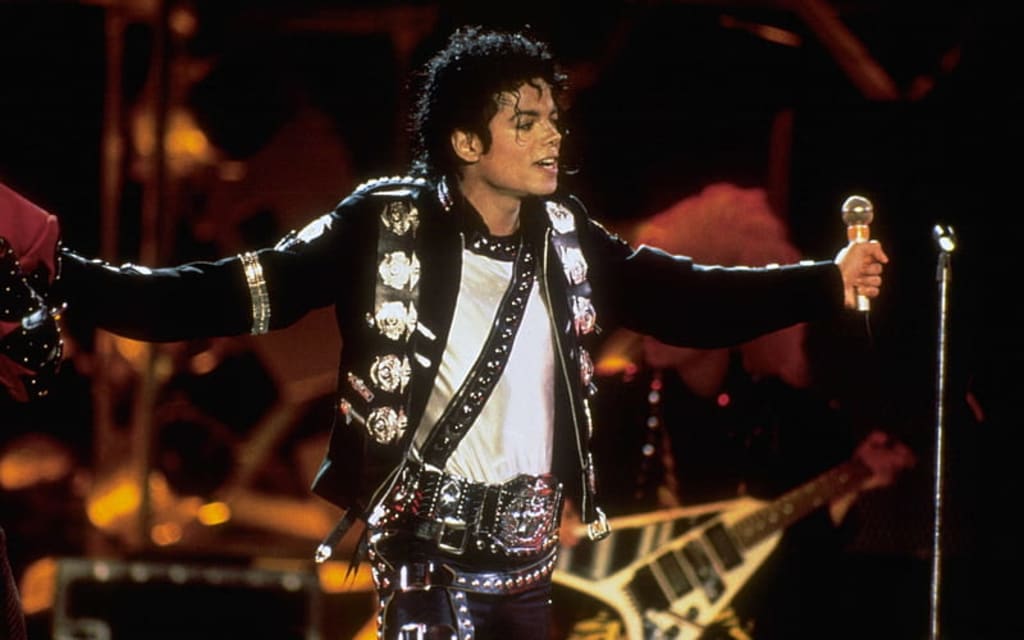
Early Beginnings: A Star Is Born in Gary, Indiana
Michael Joseph Jackson entered the world on August 29, 1958, in Gary, Indiana, as the seventh of ten children in a working-class family. His father, Joseph Jackson, a steelworker and part-time musician, recognized talent in his kids early on. By age five, Michael was singing alongside his brothers in their living room, rehearsing relentlessly under Joseph’s strict guidance. The family’s tiny home was filled with music, but also tension—Joseph’s demanding discipline would later cast a shadow over Michael’s memories of childhood. Yet, it was this very pressure that forged the Jackson 5, a group that would soon captivate the world.
The Jackson 5: From Local Gigs to Global Fame
By 1964, the Jackson 5 were performing at local talent shows and clubs, blending Motown soul with infectious energy. Michael, just six years old, stood out with his raspy voice and magnetic stage presence. In 1968, their big break came when Motown Records signed them. Hits like “I Want You Back” and “ABC” skyrocketed them to fame, making Michael, at age 11, a prepubescent superstar. But behind the glitter, Michael’s childhood was slipping away. He later confessed to feeling lonely, missing out on school dances and friendships, his life reduced to studios and tour buses.
Breaking Free: The Solo Rise of a Legend
As the Jackson 5’s popularity waned in the mid-1970s, Michael began carving his own path. At 13, he released solo albums under Motown, but it wasn’t until 1979’s Off the Wall that he truly emerged as a solo icon. The album, blending disco, pop, and R&B, sold over 20 million copies. Songs like “Don’t Stop ’Til You Get Enough” showcased his evolving voice and electrifying creativity. Yet, Michael felt undervalued—the Grammy snub for Off the Wall reportedly stung deeply, fueling his determination to push boundaries even further.
Thriller Mania: Redefining Music and Pop Culture
In 1982, Michael unleashed Thriller, an album that would become the best-selling of all time. Tracks like “Billie Jean” and “Beat It” dominated charts, while the 14-minute Thriller music video revolutionized the industry. His moonwalk during a 1983 Motown TV special became an iconic moment, cementing his status as a global phenomenon. But fame came at a cost. Michael’s life grew increasingly surreal—he slept in hyperbaric chambers (rumored, though later debunked), adopted a pet chimpanzee (Bubbles), and retreated into his Neverland Ranch, a sprawling sanctuary filled with amusement rides and animals.
The Turbulent 1990s: Triumphs and Trials
The 1990s brought both creative highs and personal lows. Albums like Dangerous (1991) and HIStory (1995) showcased his musical genius, but his image began to shift. His skin lightening, later attributed to the autoimmune condition vitiligo, and multiple plastic surgeries sparked endless tabloid speculation. In 1993, he faced allegations of child sexual abuse—a case settled out of court, which he denied vehemently. The media frenzy took a toll. Michael’s interviews revealed a man haunted by lost childhood and public scrutiny, once tearfully admitting, “I’ve never been judged so harshly.”
Humanitarian Heart: The Man Behind the Music
Amid the chaos, Michael’s philanthropy often went overlooked. He donated millions to children’s hospitals, HIV/AIDS research, and disaster relief. His 1985 collaboration on “We Are the World” raised funds for famine relief, and he frequently invited sick children to Neverland, wanting to give them the joy he’d missed. Friends described him as painfully shy yet deeply empathetic, a contrast to his explosive stage persona. “People think they know me, but they don’t,” he once said. “The truth is, I’m just a person who loves to create.”
Final Curtain: The Tragic End of an Icon
By the 2000s, Michael’s financial troubles and health struggles mounted. His 2005 trial on new abuse allegations (ending in acquittal) further fractured his reputation. Still, he clung to his art, announcing the This Is It comeback tour in 2009. Rehearsals hinted at a triumphant return, but on June 25, 2009, tragedy struck. Michael died at 50 from a cardiac arrest caused by a propofol overdose, administered by his personal physician. The world mourned—a billion viewers tuned into his memorial, where Stevie Wonder poignantly noted, “Music knew no color, no culture… it just knew Michael.”
Legacy: The Eternal King of Pop
Michael Jackson’s influence transcends music. He broke racial barriers, becoming the first Black artist to dominate MTV, and inspired generations of performers from Beyoncé to BTS. His dance moves, from the moonwalk to the gravity-defying lean in “Smooth Criminal,” remain timeless. Yet, his story is a bittersweet symphony of triumph and sorrow—a boy who gifted the world magic but never found peace in his own reflection. As his daughter Paris once said, “He was just Dad to me… but to everyone else, he was a legend.”
In His Own Words
Michael once summed up his life’s paradox: “The meaning of life is in the music. But sometimes, the music isn’t enough.” His art immortalized joy, but his humanity reminds us that even icons ache, dream, and long to be seen.
About the Creator
Fiaz ali
"As a passionate writer, web designer, and freelancer, I combine creativity with technical expertise to deliver impactful solutions.
'Till Death We Do Art
There would be nothing divine in this world without art. Nature may surpass the divine to all intents and purposes, but like everything it absorbs and is absorbed by, it remains here, stuck on the surface of this world, ever-present, physically bound to the universe.
By Avocado Nunzella BSc (Psych) -- M.A.P 14 days ago in Art
5 Ways to Trust Your Creative Ideas
When I go through creative dry spells, I tend to think that generating more ideas is what is going to get me through it. However, I've learned the hard way that this isn't the case. But, having more ideas doesn't make us more creative. In fact, it can have the opposite effect.
By Kathy Tsoukalas4 days ago in Art




Comments (1)
Love Michael Jackson. Nice Ode.