
Matatu Culture in Kenya: A Rolling Canvas of Global Music Icons Like Takeoff and Migos
An Amazing Canvas For Art
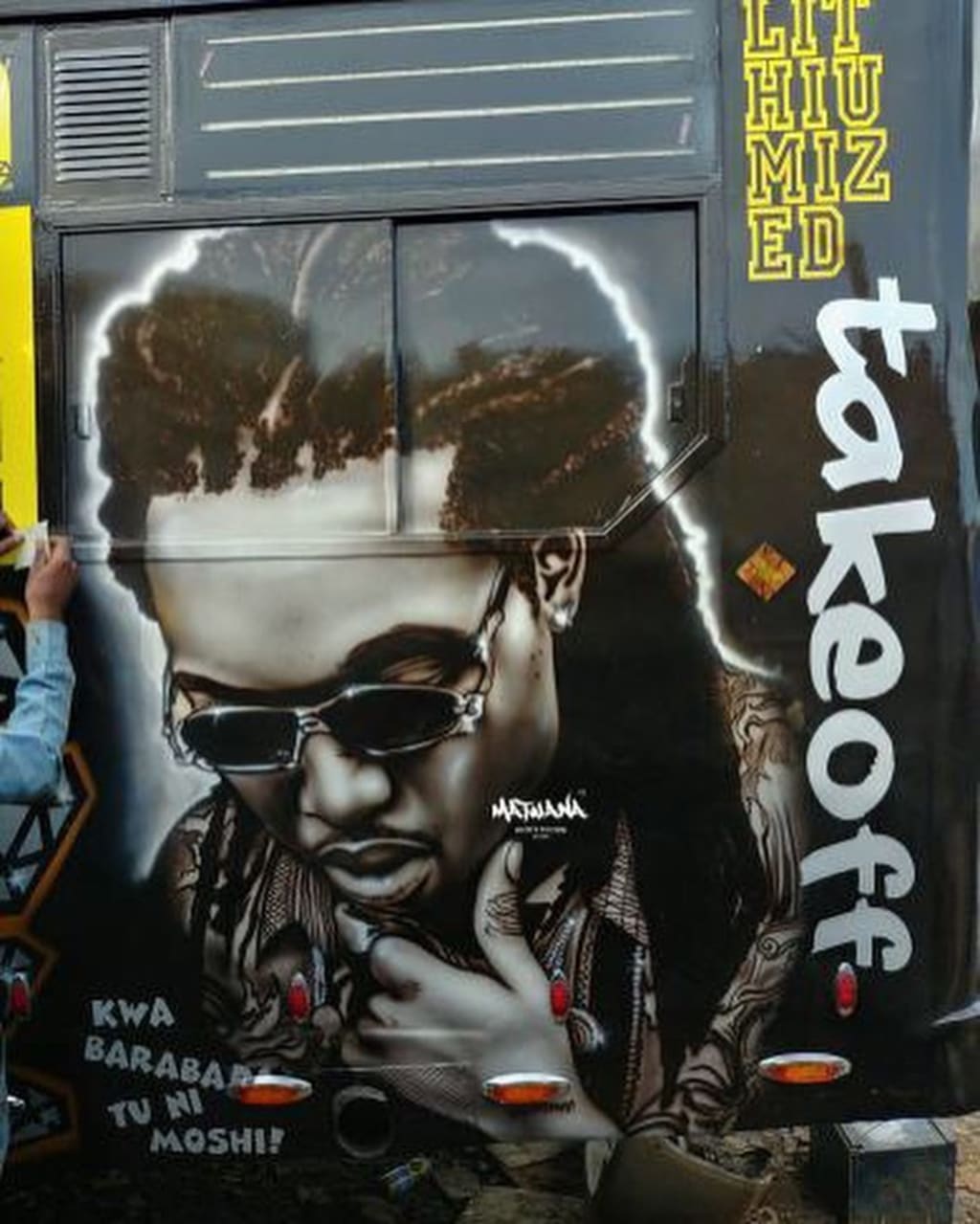
In the urban streets of Nairobi City, Kenya, an awe-inspiring and vivacious phenomenon takes center stage - the matatu culture. These technicolor minibusses have transcended their utilitarian purpose, becoming captivating works of art that celebrate music artists from all corners of the world, with the likes of rapper Takeoff and the illustrious hip-hop group Migos gracing their exteriors.
Recently, a spark ignited in the social media realm when YRN Lingo, the younger brother of the renowned Takeoff, shared a picture on his Instagram story. The photo showcased a matatu adorned with mesmerizing artwork featuring his iconic brother and their uncle, Quavo, both influential members of the trailblazing group Migos. The image sent ripples of excitement not only across Kenya but also far beyond, underscoring the extraordinary union of Kenyan culture with the international music landscape.
Migos, comprising Quavo, Offset, and Takeoff, have indelibly shaped the hip-hop industry, delivering chart-topping anthems, collaborating with industry giants, and redefining contemporary rap. Their influence stretches far and wide, capturing the hearts of music enthusiasts worldwide.
The matatu culture in Kenya is more than a striking display of art; it is an art form that serves as a dynamic expression of local talent. Adorned with intricate designs, striking colors, and imaginative graphics, these minibusses become mobile masterpieces, showcasing the prowess of Kenyan artists and paying homage to music idols. From intricate portraits of global superstars to clever references to iconic songs and albums, each matatu becomes a moving art gallery, encapsulating the essence of modern music culture.
However, as the matatu culture matures and becomes more established, several challenges have emerged.
1. Regulation and Safety Concerns
While the vibrant art and themes on matatus are celebrated, concerns have been raised about safety and traffic regulations. Some matatus may prioritize aesthetics over roadworthiness, leading to potential risks for passengers and other road users. Regulators have grappled with finding the right balance between preserving the artistic expression of matatus and ensuring public safety.
2. Competition and Commercialization
As the popularity of the matatu culture grows, the art on these minibusses has also become a platform for commercialization. Advertisers and companies seek to use matatus as advertising spaces, diluting the original artistic intent and turning these moving canvases into mere billboards. This commercialization can undermine the authentic representation of local and global music icons.
3. Urbanization and Congestion
Nairobi's rapid urbanization has led to increased congestion and traffic jams, affecting the efficiency of matatu operations. Matatus, which are a primary mode of public transportation in the city, often face challenges in adhering to schedules and providing reliable services due to the worsening traffic conditions.
4. Cultural Appropriation
While the matatu culture is a celebration of global music icons, there have been instances where certain designs and themes might be considered cultural appropriation. Incorporating elements from other cultures without understanding their significance can lead to unintended controversies and misrepresentations.
5. Environmental Impact
With an increasing number of matatus on the roads, concerns about the environmental impact have arisen. These minibusses are typically older vehicles with higher emissions, contributing to air pollution and environmental degradation.
6. Maintenance and Preservation
As the matatu art is exposed to the elements and daily wear and tear, the challenge of preserving these artistic masterpieces becomes apparent. Without proper maintenance, the vibrant artwork can fade, losing its visual appeal over time.
In addressing these challenges, stakeholders, including the government, matatu owners, artists, and the public in Kenya, must collaborate to find sustainable solutions. Striking a balance between preserving the artistic essence of matatus and ensuring safety and compliance with regulations is crucial for the continued success of this unique cultural phenomenon.
Despite the challenges, the matatu culture remains an integral part of Nairobi's identity and an essential aspect of Kenyan contemporary culture. It is a living testament to the power of music and art to transcend boundaries and create connections between diverse communities worldwide.
In conclusion, the matatu culture in Nairobi, Kenya, stands as a living, breathing tribute to global music artists, including the phenomenal rapper Takeoff and the sensational Migos. These rolling canvases not only capture the essence of contemporary music culture but also serve as ambassadors of unity, spreading the magic of music far and wide. As they traverse the vibrant streets of Nairobi, they remind us of the harmonious chords that resonate through humanity, celebrating the power of music to transcend borders and create a truly interconnected world, while also navigating the challenges of a maturing cultural phenomenon.
About the Creator
Keep reading
More stories from Angellyrics _Angela Ayako and writers in Art and other communities.
Remembering Takeoff: A Celebration of Life and Legacy
On June 18, 2023, family, friends, and devoted fans of the talented Migos rapper Takeoff gathered at the renowned Takeoff mural on the Atlanta BeltLine to commemorate his 29th birthday. This heartfelt event served as a beautiful reunion, bringing together loved ones such as Takeoff's mother, grandmother, uncle, brother Lingo, little sister Heaven, and his bandmate Quavo. Shara, Takeoff's aunt and Quavo's sister, also joined in this special occasion. As they celebrated Takeoff's life, they also paid tribute to their dearly departed family member and honored his remarkable contributions.
By Angellyrics _Angela Ayako2 years ago in Interview
21 Freelancing Tips to Build a Successful Career (From Someone Who Actually Did It)
TL;DR version (60 seconds read time) + Paypal receipt at the end of the blog. I’ve made thousands of dollars with freelancing. See screenshots at the end of the post. Everything I say to you, I’ve tested it first on myself.
By Dena Falken Esqabout 11 hours ago in Art
Impressive Artwork by Odilon Redon
French symbolist artist Odilon Redon was famous for his drawings in the 1880s. The artist’s artworks were mentioned in the popular 1884 novel “A Rebours,” or “Against the Grain,” by Joris-Karl Hysmans. His later artworks were created in oils and pastels. He developed an interest in Hinduism and Buddhism, and this interest in mysticism is reflected in his works of art.
By Rasma Raisters6 days ago in Art
Wild Card Weekend Recap: What Happens Now?
I think I figured out why I love Wild Card Weekend so much. It's because it's the first playoff anything of the calendar year. The NFL season starts in the fall, and once upon a time, the champion was crowned either on or slightly before New Year's. The evolution of the NFL schedule has resulted in the playoffs starting just into the New Year, and currently, the final week of the season falls on the first weekend of the New Year, with Wild Card Weekend coming a week after that. So yes, chronologically, the NFL's Wild Card Weekend serves as the first playoff anything of the calendar year.
By Clyde E. Dawkins7 days ago in Unbalanced



Comments
There are no comments for this story
Be the first to respond and start the conversation.