
Manoj Mitra: The Soul of Bengali Theatre and Voice of the Common People
His life’s work reveals a remarkable blend of the traditional and the modern

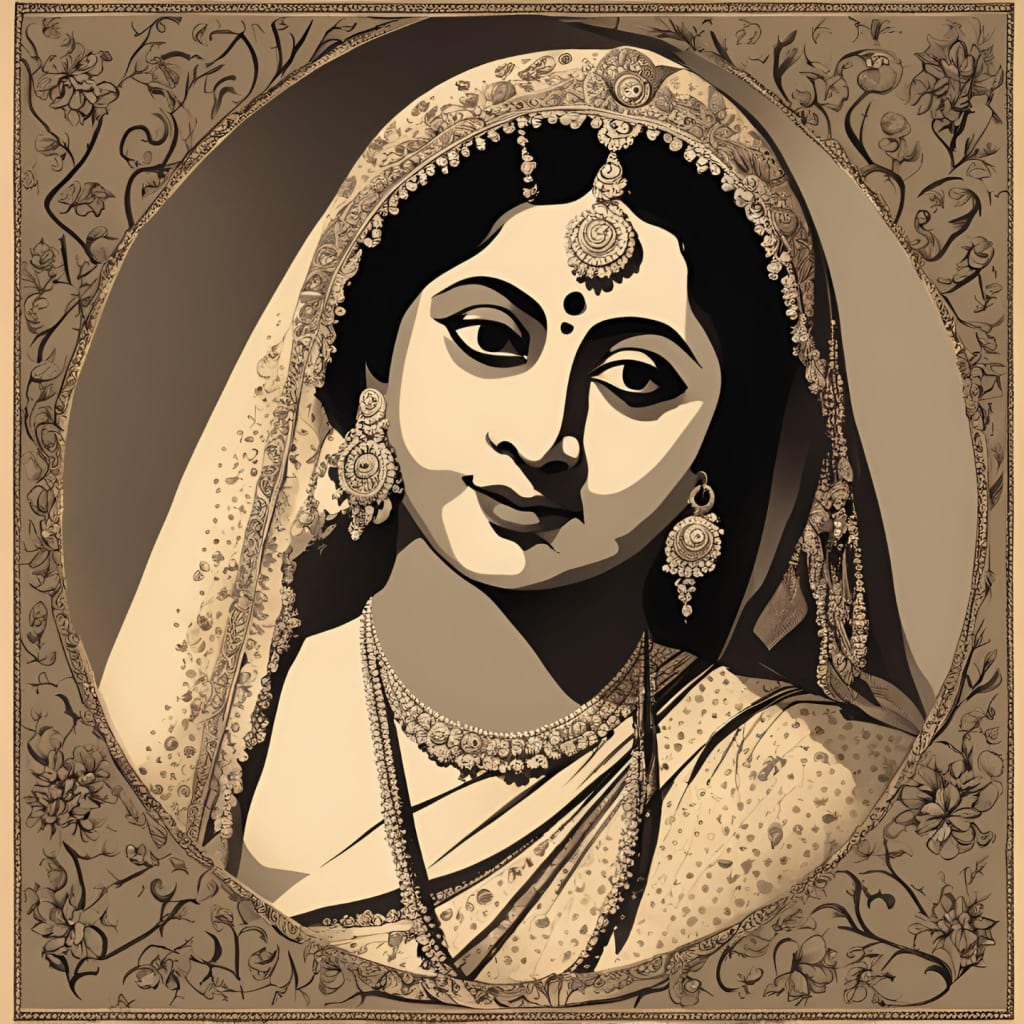
Manoj Mitra is widely celebrated as one of the most influential figures in Bengali theatre, and indeed, Indian theatre as a whole. With his deft playwriting, powerful acting, and visionary direction, he has left an indelible mark on the cultural landscape of Bengal. Born in 1938 in Bangladesh (then part of British India), Mitra moved to West Bengal as a child following the Partition. His life’s work reveals a remarkable blend of the traditional and the modern, with a commitment to capturing the everyday struggles and aspirations of common people.
Mitra’s plays explore the myriad facets of human life, delving deep into social, cultural, and existential themes that resonate with audiences across generations. Known for his wit, empathy, and command over the Bengali language, he has the unique ability to bring both laughter and introspection to his audiences. In a career spanning more than five decades, Mitra has produced a body of work that remains deeply relevant, evoking universal themes while staying rooted in Bengali culture.
Early Life and Influences
Manoj Mitra was born in Satkhira, in present-day Bangladesh. His early life was marked by the impact of the Partition, which forced his family to migrate to West Bengal. This displacement, shared by countless others, instilled in him an acute awareness of the socio-political struggles faced by marginalized communities. He observed the lives of rural folk, witnessing firsthand the hardships they endured and the resilience they embodied. These experiences left a lasting impression on him, shaping his outlook and eventually inspiring his works.
Mitra's early foray into theatre was during his college years at City College in Kolkata, where he discovered his love for acting and writing. Inspired by legendary playwrights like Rabindranath Tagore, Bijon Bhattacharya, and Badal Sircar, he became fascinated by the power of theatre as a medium to express social issues and complex human emotions. These influences would later inform his own writing, though he developed a distinct voice and style, marked by humor, empathy, and a keen sense of realism.
Manoj Mitra's Unique Style: Blending Tradition and Modernity
One of the hallmarks of Mitra’s work is his ability to weave together traditional folk elements with modern storytelling. Bengali folk theatre, with its lively music, dance, and humor, serves as a canvas upon which Mitra paints his narratives. In plays like Kanchanranga and Sajano Bagan, he integrates folk forms to create stories that are deeply rooted in Bengali culture, yet accessible and relevant to contemporary audiences.
His plays often revolve around common people and rural settings, reflecting the lives and struggles of ordinary men and women. Unlike some of his contemporaries who preferred urban, sophisticated settings, Mitra’s works are firmly grounded in rural Bengal, exploring themes of poverty, displacement, and the tussle between tradition and modernity. His ability to infuse humor into these heavy themes is a testament to his skill as a writer and his profound understanding of human nature.
Thematic Depth: Exploring Social Issues with Empathy
Mitra’s plays are known for their thematic richness, exploring issues such as poverty, caste discrimination, gender inequality, and social injustices. However, what sets his work apart is his empathetic portrayal of characters who struggle within these constraints. Mitra does not create villains or caricatures; instead, his characters are multi-dimensional, revealing the complexities of human behavior. Through these characters, he sheds light on the resilience of the human spirit.
For instance, in Narigon, he portrays the lives of marginalized women, delving into the harsh realities they face in a patriarchal society. Mitra’s sensitivity to gender issues is evident in his portrayal of women who are often trapped by societal norms yet display extraordinary resilience. His characters speak in a language that is both poetic and grounded, making their experiences relatable and impactful.
Similarly, in Alokanandar Putra Kanya, he explores the theme of tradition versus modernity, presenting a rural family grappling with the changing dynamics of society. Mitra brings out the complexities of generational conflict, capturing the struggles of individuals caught between the need to preserve tradition and the desire to embrace progress.
Humor as a Tool for Social Critique
Mitra’s work is characterized by his distinctive use of humor, which he employs to highlight social issues and challenge societal norms. Unlike the heavy-handed moralizing tone often found in socially conscious plays, Mitra uses wit and satire to provoke thought. This humor does not diminish the gravity of the issues he addresses; rather, it makes them more accessible and impactful for audiences.
In Kanchanranga, for example, Mitra uses humor to critique the corruption and hypocrisy prevalent in society. Through lively dialogue and exaggerated situations, he exposes the absurdity of societal norms and the contradictions within human behavior. This lighthearted approach allows audiences to engage with complex issues without feeling overwhelmed, making his work both entertaining and thought-provoking.
Iconic Works and their Impact
Mitra’s repertoire of plays is vast, with each work offering unique insights into human nature and society. Some of his most celebrated works include:
Kanchanranga – This play is a fine example of Mitra’s use of folk elements and humor to address social issues. It has been widely performed and remains popular for its lively characters and engaging narrative.
Sajano Bagan – A tragicomedy set in rural Bengal, this play explores themes of love, loss, and resilience. It showcases Mitra’s ability to portray deep emotions while keeping the audience engaged through humor.
Narigon – A powerful critique of patriarchy, Narigon sheds light on the lives of marginalized women and the injustices they face. Mitra’s portrayal of female characters in this play is sensitive and insightful, making it a landmark work in Bengali theatre.
Alokanandar Putra Kanya – This play explores the generational conflict between traditional values and modern aspirations. It captures the dilemmas faced by individuals caught between these two worlds, reflecting Mitra’s nuanced understanding of cultural identity.
Chhayar Prashad – A philosophical exploration of human ambition and the pursuit of power, this play delves into the complexities of human relationships and the moral dilemmas faced by individuals in positions of authority.
These works, among others, have left an indelible mark on Bengali theatre, inspiring generations of artists and theatre enthusiasts. Mitra’s ability to blend humor with social critique, and his deep empathy for his characters, have made his plays timeless.
The Legacy of a Cultural Icon
Manoj Mitra’s contributions to Bengali theatre go beyond his writing. As an actor, he has brought many of his characters to life on stage, adding depth and authenticity to his narratives. His performances are marked by a naturalistic style, characterized by subtle expressions and nuanced gestures. He has the ability to embody the essence of his characters, making them relatable and memorable for audiences.
Beyond his work as a playwright and actor, Mitra has also been a mentor to young artists, encouraging them to explore the power of theatre as a medium for social change. His dedication to the craft and his commitment to representing the voices of common people have made him a revered figure in Bengali culture.
Mitra’s influence extends beyond the theatre. His works have been adapted into films and television, reaching a wider audience and solidifying his status as a cultural icon. His plays have been translated into several languages, allowing people across India to experience his unique vision and storytelling.
Awards and Recognition
Over his illustrious career, Manoj Mitra has received numerous awards and honors for his contributions to theatre. He has been recognized by both national and international institutions, receiving accolades such as the Sangeet Natak Akademi Award and the Banga Bibhushan, among others. These awards are a testament to his impact on the cultural landscape of Bengal and his status as one of India’s most respected playwrights.
Conclusion: A Lasting Legacy
Manoj Mitra’s body of work stands as a testament to the power of theatre to reflect society, challenge norms, and inspire change. His unique style, blending humor with social critique, and his deep empathy for his characters, make his plays both entertaining and thought-provoking. Through his work, Mitra has given voice to the struggles, aspirations, and resilience of common people, creating characters that resonate with audiences on a profound level.
In an age where traditional art forms are increasingly overshadowed by modern media, Mitra’s work serves as a reminder of the enduring power of theatre. His plays continue to be performed, cherished, and celebrated, reflecting the timeless relevance of his themes and the universality of his characters. As a playwright, actor, and cultural icon, Manoj Mitra’s legacy will continue to inspire future generations, ensuring that his voice remains a vital part of Bengali theatre and Indian culture.
This article encapsulates the life, work, and influence of Manoj Mitra, highlighting the depth of his contribution to Bengali theatre and his role as a champion of the common people. His unique style and thematic richness make his work an invaluable part of Indian cultural heritage.
About the Creator
Aswin Parker
spread love
Keep reading
More stories from Aswin Parker and writers in Art and other communities.
Mukesh Khanna: The Icon of Indian Television and Cinema
Mukesh Khanna is a household name in India, known for his contributions to Indian television and cinema. Born on June 23, 1958, Khanna became an icon of Indian entertainment, embodying some of the most iconic characters that resonated deeply with audiences across the country. With memorable roles like Bhishma Pitamah in Mahabharat and Shaktimaan in the beloved superhero series of the same name, Khanna’s journey in the entertainment industry has been marked by dedication, resilience, and an unyielding commitment to creating meaningful content. His influence spans decades and genres, making him an enduring figure in Indian pop culture. This article delves into Mukesh Khanna’s life, career, and the impact of his most significant roles on Indian television.
By Aswin Parkerabout a year ago in Art
2026 Commercial Space Design:How Fbierglass Sculpture Drives Traffic
Today, offline commercial spaces are facing continuous pressure. With e-commerce offering convenient and fast services, physical stores must showcase unique features to attract customers. In this context, fiberglass sculptures are no longer merely decorative items; they have become visual focal points in shopping malls, brand stores, pop-up shops, and mixed-use commercial projects, playing a crucial role in increasing foot traffic.
By Shenzhen Ruiheng Crafts6 days ago in Art
Why Strategic Branding Is Essential for Long-Term Business Growth
In today’s fast-paced digital environment, businesses face constant pressure to stand out. Consumers are exposed to endless choices every day, making attention harder to earn and trust harder to keep. While quality products and services are important, they are no longer the only factors that determine success. Strategic branding plays a key role in helping businesses grow steadily and remain relevant over time.
By Ayush Bagwari6 days ago in Art




Comments
There are no comments for this story
Be the first to respond and start the conversation.