
Magic of colours psychology, which one is Great for you.
How colours psychology works on human nature and grabs the attention of others.
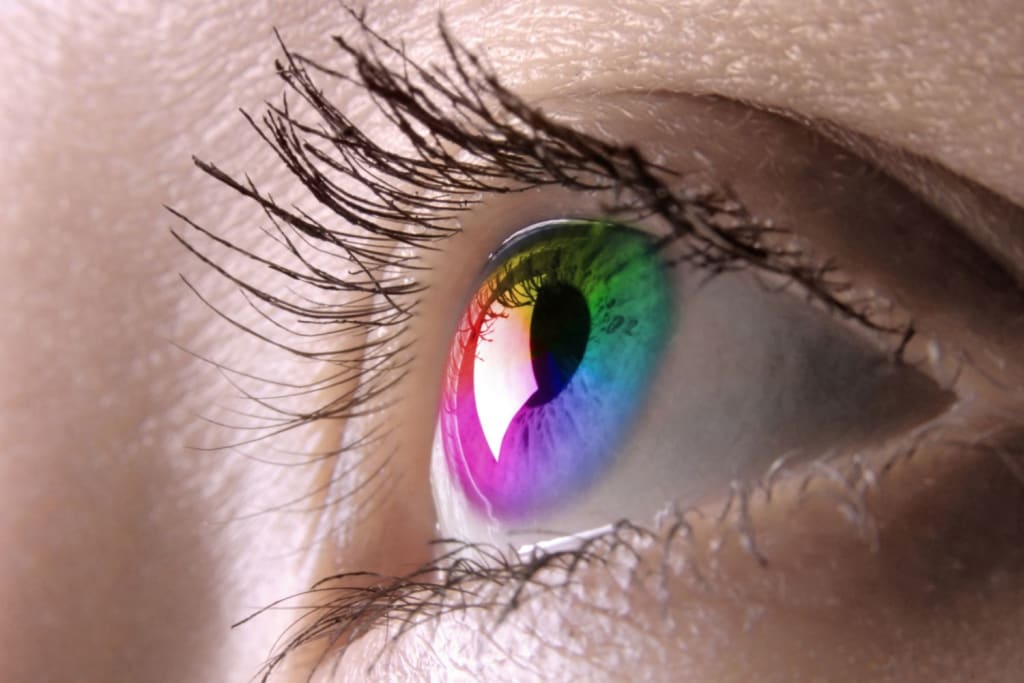
People tend to like or dislike colors based on their associations of the color to other objects or situations that they have strong feelings about. Color psychology connects colors with emotions and behavior. It reveals how color plays a role in your moods and can even be incorporated into your wellness routines. Colour speaks a lot to over brain whether the person in-front of you is charming or not. Love wise, coloured distinguish a lot of one's love life, spiritual life and even sexual life.
There are five psychological primary colours – red, blue, yellow, green and black. Role of these colours, meaning of these colours and psychology behind these attractive colours and how they work on the human brain for grabbing attention. They relate respectively to the body, the mind, the emotions and the essential balance.
Red:-(colour of love)
Red is considered a love color, Red is one of the most intense colors that can stimulate intense feelings and it is associated with love our desires. It is the color of roses, the symbol of love and this year as it has been in previous years people used it to express love and affection on Valentine ’s Day.
It is linked with energy, threat, might, potency, resolve along with affection and even lust. Due to its capability to cause such powerful feelings, it must be utilized comprehensively in teaching contexts.
Red is about attraction, it commands the viewers to look at it. It can symbolize what we desire and what is beyond our reach; this makes us desire it even more.
Red is stimulating and active, it makes us move into action. It can also provide motivation to timid or those low in self-temptation. It also stimulates the metabolic rate, raises the breathing rate and blood pressure also.
Blue:-
The color blue is universally favored by people everywhere. Each shade of blue can carry a different meaning and evoke a different type of reaction. Common associations with the color blue include: Calmness and Serenity.
Blue is often found in nature such as a calm sea and clear sky, creating a sense of peace. It can help slow the heart rate and breathing, making it a great color to surround yourself with for meditation and relaxation. Some airports have even started incorporating blue lighting and imagery in their terminals to help promote a sense of calm prior to flying.
Blue takes attention because it shows calm. Some Google and other social sites use blue colour for taking people's attention. As an example all around the world Facebook users are present. It is the most used app and its icon colour is blue. Wearing blue communicates loyalty and stability. It can help us and those around us to feel calm. Wear blue for confidence. The color can have the ability to simplicity anxieties, making it an excellent shade for work or school presentations. Blue can also be a comforting color in stressful situations.
Green:-
Research has shown that the colour green can prompt feelings of abundance, peace, refreshment and security. It has even shown to reduce stress, depression, and anxiety and improve focus, impulse control and creativity.
It encourages you to be independent and make changes, as well as enhances feelings of love, joy, and inner peace. Green is also said to stimulate wisdom, hope, strength, and serenity.
Green is often associated with concepts like new life, renewal, and growth in nature. This symbolism is intended to represent the idea that people with mental health challenges can experience recovery, healing, and personal growth. Wearing green increases the potential for optimism and problem-solving
Yellow:-
Yellow color is associated with sunshine, hope, laughter, warmth, happiness, and energy. Yellow is found to make a person feel unplanned happy. A splash of yellow on anything dull or dark can make a person feel cheerful and optimistic. Yellow-colored items in a room at times have been found to activate our thinking processes and generate new ideas.
“During exam preparations or working on projects, placing a yellow-colored item or lamp near you can help you become more analytical, find solutions through creative processes or create your own solutions strategy to problems.”
It attracts the eye easily and is often associated with happiness, positivity, and optimism. For those reasons, yellow is often a popular choice for many brands wanting to convey a sense of joy and enthusiasm (hello, Ikea, and McDonald’s).
Black:-
In general the type of black has a surprising effect with reference to humans and their feeling. It can cause fear or respect into those who are being exposed. Black, particularly formal black creates a psychological reaction within a person which makes one to feel certain and important. Things that are most closely connected with people’s abilities, demoralization and freedoms.
However, it can cause such effects as sorrow, depression, anxiety, and fear in other occasions. It hides things, masks data, and overwhelms uncertainty over predestined fortunes for a number of targets into its heart. But to the ones who wear it with respect, authority over their people, and balance; black symbolizes order, abstinence, and shield. Indeed, with reference to Freud, the color black can refer to feelings of safety, and covering one’s self up. In Feng Shui black belongs to water and therefore conveys such attributes as calmness, the creation of an atmosphere of mystery, and the attainment of strength. When applied as a secondary color, black works to create the desired sense of order and elegance, top qualities that make for comfort. The color also helps to absorb negative energy, and that is why black clothes are recommended for wearing on days off, as it is often said. However, they completely take in the negative as well as the positive energy making them feel rather neutral during stressful periods. “When you wear black you looks smart and un obesity.”
Commonly associated emotions survey:-
In the international study, people were asked to select one emotion to associate with each color. Here are the most commonly associated emotions in the survey:
Red means love to 68% of people.
Orange means joy to 44% of people.
Yellow means joy to 52% of people.
Green means contentment to 39% of people.
Blue means relief to 35% of people.
Turquoise means pleasure to 35% of people.
Purple means pleasure to 25% of people.
Pink means love to 50% of people.
Brown means disgust to 36% of people.
Black means sadness to 51% of people.
Gray means sadness to 48% of people.
White means relief to 43% of people.
Different colors produce different health benefits:-
A sampling of the health benefits claimed by color therapy include:
Red: stimulating and increases appetite.
Orange: improves mood and possible thyroid function.
Yellow: increases concentration and possibly treats arthritis.
Green: a calming color and may promote healthy metabolism.
Blue: suppresses the appetite and treats migraine pain.
Indigo: purportedly promotes mental health.
Violet: helps with meditation and potentially endocrine issues.
About the Creator
Groom soul
We write on Health ,science,education and especially on relationship and human personality development all sentences extracted from my hobby collection of knowledge.
Keep reading
More stories from Groom soul and writers in Art and other communities.
Imagine
Imagine In the kingdom of personal growth and self-actualization, imagination plays an equally energetic role. By visualizing the best in life, we promote a mindset of abundance and possibility. We challenge to dream big, setting risky goals and believing in our capacity to achieve them. Through the lens of optimism, challenges become opportunities, setbacks become lessons, and failures become stepping stones on the path to success. It is through the power of positive imagination that we manifest our desires and shape our reality in alignment with our highest aspirations.
By Groom soul2 years ago in Motivation
'Till Death We Do Art
There would be nothing divine in this world without art. Nature may surpass the divine to all intents and purposes, but like everything it absorbs and is absorbed by, it remains here, stuck on the surface of this world, ever-present, physically bound to the universe.
By Avocado Nunzella BSc (Psych) -- M.A.P 27 days ago in Art




Comments
There are no comments for this story
Be the first to respond and start the conversation.