
Love in Romantic Art and Paintings
"Transcendent Expressions: The Power of Love in Romantic Art and Paintings"

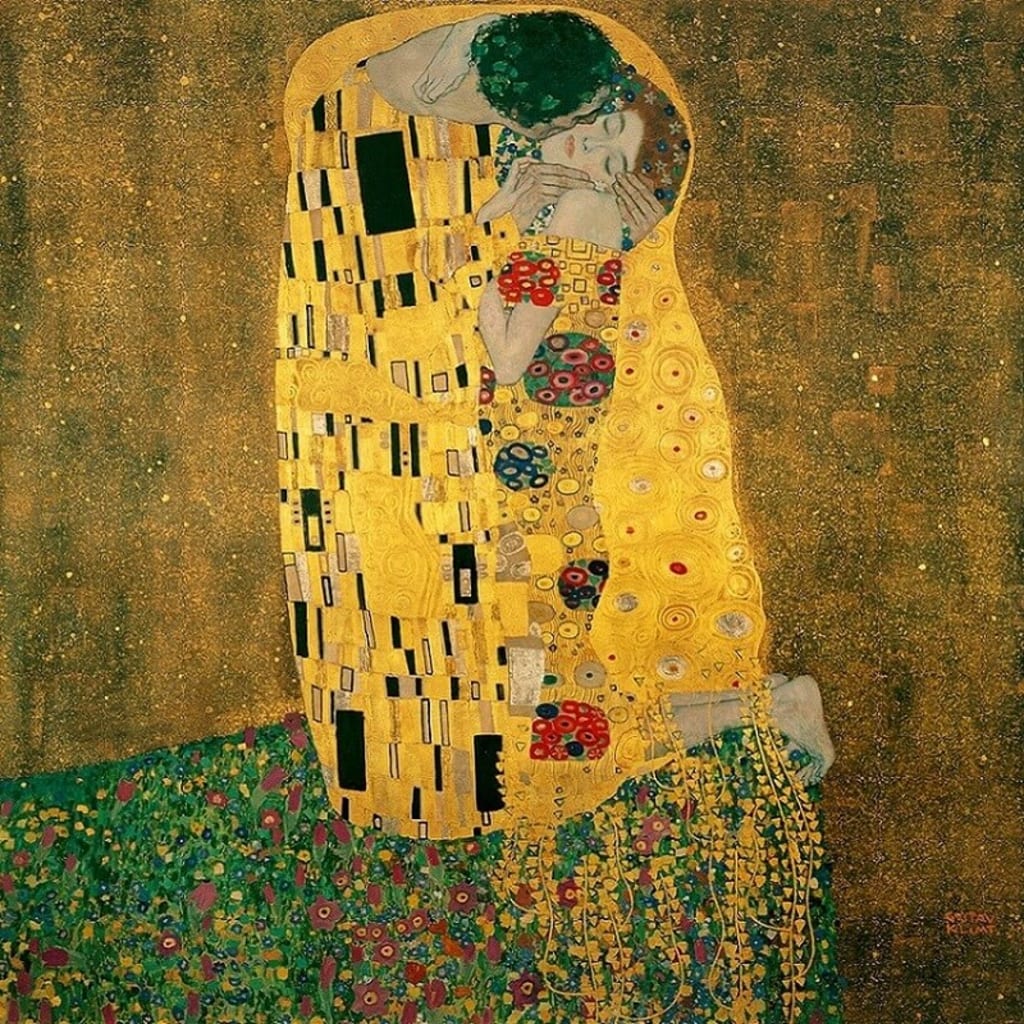
Love has been a recurring theme in art throughout history, and perhaps one of the most captivating periods in this regard is the Romantic era. The Romantic movement, which emerged in the late 18th and early 19th centuries, placed a strong emphasis on emotions, individualism, and the sublime. Love, with all its passion, longing, and intensity, became a central subject in the art of this period.
Romantic artists sought to capture the essence of love through their paintings, expressing a wide range of emotions and experiences associated with this complex feeling. Love was often portrayed as a transcendent force capable of inspiring profound emotions and leading to spiritual and emotional awakening.
In Romantic art, love was depicted in various forms and contexts. One common theme was the portrayal of romantic love, showcasing tender moments, passionate embraces, and the intimacy shared between couples. Artists like Francisco Goya and Eugene Delacroix depicted dramatic scenes of love, often with an air of emotional turmoil or a sense of longing.
Love was also explored beyond romantic relationships. The love between parents and children, the love for nature, and the love for humanity were all subjects that found their way onto the canvases of Romantic artists. These works celebrated the power of love to connect people, inspire compassion, and bring meaning to life.
The depiction of love in Romantic art was not limited to realistic representations. Symbolism and allegory were often employed to convey deeper meanings. Love was personified as a deity or depicted through symbolic motifs such as hearts, flowers, and doves. These visual elements added layers of metaphor and sentiment to the artwork, inviting viewers to contemplate the profound impact of love on the human experience.
The art of the Romantic era continues to captivate audiences today, evoking powerful emotions and providing glimpses into the profound and transformative nature of love. Through the brushstrokes and compositions of Romantic artists, we can explore the myriad facets of love and appreciate its enduring significance in our lives.
Love has been a recurring and captivating theme in art throughout history, and one of the most captivating periods for its portrayal is the Romantic era. The Romantic movement, which emerged in the late 18th and early 19th centuries, brought forth a profound shift in artistic expression, emphasizing emotions, individualism, and the awe-inspiring power of nature. Love, with all its passion, longing, and intensity, became a central subject in the art of this period, reflecting the romantic ideals and fervent emotions that defined the era.
Romantic artists sought to capture the essence of love through their paintings, delving into the depths of human emotions and experiences associated with this complex feeling. Love was often portrayed as a transcendent force, capable of inspiring profound emotional states and leading to spiritual and emotional awakening. Artists of the Romantic era embraced the emotional intensity and celebrated the subjective experience of love, depicting it as a transformative and exhilarating journey.
In Romantic art, love was depicted in various forms and contexts, showcasing the spectrum of human connections and affections. One of the most prevalent themes was romantic love, portraying tender moments, passionate embraces, and the intimate bonds shared between couples. Artists like Francisco Goya and Eugene Delacroix captured the dramatic and tumultuous aspects of love, portraying scenes with an air of emotional turmoil or a sense of longing. These works invited viewers to immerse themselves in the intensity of romantic love, exploring the ecstasy, pain, and vulnerability that often accompany it.
However, the exploration of love in Romantic art extended beyond romantic relationships. The love between parents and children, the love for nature, and the love for humanity were all subjects that found their way onto the canvases of Romantic artists. Artists such as William Blake and Caspar David Friedrich depicted the profound connections between humans and the natural world, expressing a deep sense of awe, admiration, and love for the sublime beauty of nature. These works celebrated the power of love to transcend human relationships and connect individuals with something greater than themselves.
The depiction of love in Romantic art was not confined to realistic representations alone. Symbolism and allegory were often employed by artists to convey deeper meanings and evoke profound emotions. Love was personified as a deity, such as Cupid or Venus, or depicted through symbolic motifs like hearts, flowers, and doves. These visual elements added layers of metaphor and sentiment to the artwork, inviting viewers to contemplate the profound impact of love on the human experience and the interconnectedness of emotions and nature.
The art of the Romantic era continues to captivate audiences today, evoking powerful emotions and providing glimpses into the profound and transformative nature of love. Through the brushstrokes, vibrant colors, and carefully composed scenes of Romantic artists, we can explore the myriad facets of love, appreciating its enduring significance in our lives and recognizing the universal human longing for connection and affection.
About the Creator
Kumail Haider
Observing Life, Capturing Thoughts
Keep reading
More stories from writers in Art and other communities.
'Till Death We Do Art
There would be nothing divine in this world without art. Nature may surpass the divine to all intents and purposes, but like everything it absorbs and is absorbed by, it remains here, stuck on the surface of this world, ever-present, physically bound to the universe.
By Avocado Nunzella BSc (Psych) -- M.A.P 23 days ago in Art
Heavenly Harmonies and Heavy Criticisms: The Complex Rise of Bethel Music
Heavenly Harmonies and Heavy Criticisms: The Complex Rise of Bethel Music Walk into almost any contemporary Christian church on a Sunday morning—whether in London, Lagos, or Los Angeles—and you are almost guaranteed to hear their music.
By Nivard Anna3 days ago in Art
Hottest in the Office
Dear Rafi, You’re very distracting to work around. For the first second I saw you the other day, I thought you were some type of executive. It took a moment to realize no, you were just the new guy, dressed up for the job he wants. Be still, my heart.
By Gabriel Shamesa day ago in Pride




Comments
There are no comments for this story
Be the first to respond and start the conversation.