
Lighting Trends 2025 (Architect Approved)
Christmas Lighting Home and outdoor, Lighting and Decor
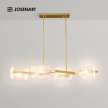
As we navigate through 2025, architectural lighting design has evolved beyond mere functionality to become a critical component in creating spaces that enhance human well-being, sustainability, and aesthetic appeal. Today’s architects are leveraging innovative technologies and design philosophies to craft environments that respond to both physiological and psychological needs. Here are the most significant lighting trends that architects are embracing this year.
1. Biophilic Lighting: Bringing Nature Indoors
The biophilic design movement continues to gain momentum, with lighting playing a central role in reconnecting interior spaces with the natural world. Architects are specifying fixtures that incorporate organic elements such as wood, stone, bamboo, and recycled glass. These designs feature flowing lines, branch-inspired forms, and nature’s imperfections to create calming, restorative environments.
The philosophy is straightforward: by mimicking natural light patterns and organic shapes, we can reduce stress, enhance creativity, and promote overall well-being in built environments. Fixtures with pebble-like designs, soft-colored glass globes, and materials that celebrate nature’s textures are dominating specification sheets for residential and commercial projects alike.
Architect’s Note: When specifying biophilic fixtures, consider how natural materials will age and patina over time. This can add character and authenticity to the space while maintaining the connection to organic elements.
2. Human-Centric Lighting (HCL): Designing for Circadian Rhythms
Research-backed human-centric lighting has moved from theory to widespread implementation. Architects are now designing systems that automatically adjust color temperature and light intensity throughout the day to support natural circadian rhythms. This approach has demonstrated measurable benefits, with studies showing workplace productivity increases of up to 6% and creative output improvements of 15%.
The key is creating lighting that transitions from cooler, energizing tones (4000K-5000K) during morning hours to warmer, relaxing temperatures (2700K-3000K) in the evening. This dynamic approach helps regulate sleep patterns, mood, and overall health in both residential and commercial applications.
Specification Tip: For commercial applications, target 3500-4000K for optimal worker visibility and productivity. Residential spaces should prioritize 2700-3000K for warmth and comfort, with adjustable systems for activity-based lighting.
3. Smart Integration and IoT-Enabled Systems
The DALI-2 system has become the gold standard for commercial lighting control, offering precise monitoring of every driver and device. Modern lighting platforms now scale seamlessly from single rooms to entire building complexes, with cloud capabilities enabling coordinated control across multiple sites.
Smart lighting systems in 2025 feature multifunctional capabilities including wireless charging, motion sensors, and energy-saving automation. These systems can be controlled via smartphone apps, voice assistants, or integrated into comprehensive building management systems that predict maintenance needs and optimize energy consumption in real-time.
Integration Insight: When specifying smart systems, ensure compatibility with existing building infrastructure. IoT-enabled lighting creates a living network of data that helps building managers fine-tune energy use and enhance occupant comfort.
4. Sustainable Materials and Circular Design
Sustainability has evolved beyond energy efficiency to encompass the entire lifecycle of lighting fixtures. Manufacturers are now producing components from innovative materials such as 3D-printed elements made from food waste, wood dust, and recycled fishing nets. Some designers are even wrapping LED strips in recycled polyester fabric for pendant lights that merge efficiency with environmental consciousness.
Architects are increasingly specifying fixtures designed with circularity in mind—products that can be fully recycled at end-of-life, completing the circle of responsible design. This shift represents a move toward intentional material selection rather than trend-driven choices.
Sustainability Target: LED systems now consume approximately 75% less energy than incandescent predecessors, reducing the lighting load in commercial buildings from 30% in 2005 to less than 10% today.
5. Sculptural and Artistic Fixtures
Lighting in 2025 is doubling as art. Architects are moving beyond traditional forms to specify fixtures that serve as focal points and conversation pieces. Sculptural chandeliers featuring organic shapes, asymmetrical arms, flowing curves, and unexpected silhouettes are transforming spaces with visual drama and sophistication.
These statement pieces work particularly well in hospitality, high-end residential, and corporate environments where creating memorable impressions is paramount. Rather than blending into the background, these fixtures draw the eye upward and create visual interest without overwhelming other design elements.
Design Strategy: Oversized pendants and dramatic chandeliers are particularly effective in spaces with high ceilings. In smaller spaces, opt for fixtures with sculptural interest that don’t dominate but add character and depth.
6. Layered Lighting Schemes
The era of single-source illumination is definitively over. Sophisticated lighting design now requires multiple layers working in concert: ambient lighting for general illumination, task lighting for specific activities, and accent lighting to highlight architectural features or artwork.
This approach creates versatile, dynamic environments that can adapt to different needs and moods throughout the day. Layered schemes are especially critical in commercial spaces where different working zones require distinct illumination strategies. For residential applications, combining chandeliers with wall sconces creates depth and functionality.
Layering Framework: Start with ambient lighting at 300-500 lux for general spaces, add task lighting at 500-750 lux for work surfaces, and use accent lighting at 3:1 ratio to ambient for highlighting features.
7. Minimalist and Invisible Light Sources
The trend toward architectural minimalism has given rise to lighting designs that enhance spaces without overpowering them. Recessed LED lights, hidden fixtures, and sleek linear designs blend seamlessly into ceilings, walls, and floors, creating indirect, soft illumination without revealing the light source itself.
This approach, enabled by advanced OLED panels and fiber optics, allows architecture and design elements to take center stage. The lighting becomes part of the architectural fabric rather than an added element.
Application: Invisible lighting works exceptionally well in contemporary residential projects, galleries, and high-end retail where the focus should remain on the space or merchandise rather than the fixtures themselves.
8. Atmospheric and Adaptive Illumination
Architects are creating environments that respond to activities and emotional needs through atmospheric lighting. This involves using fixtures capable of changing color, temperature, and intensity to match different scenarios—from energizing morning light to calming evening ambiance.
Color psychology plays a significant role here. Colorful lamp shades and tinted glass are being used strategically to transform simple fixtures into striking accent pieces that energize spaces or create specific moods.
Color Temperature Guide:
2700K: Warm, cozy (residential living spaces)
3000K: Warm white (hospitality, residential)
3500-4000K: Neutral white (commercial offices)
5000K+: Cool, energizing (industrial, healthcare)
9. Illuminated Materials: Ribbed Glass and Translucent Surfaces
A distinctive aesthetic trend for 2025 is the use of illuminated ribbed glass, which offers a blend of vintage charm and contemporary functionality. Modern rippled glass fixtures, featuring built-in LED lighting that gently disperses through textured glass, are particularly popular in kitchen cabinet lighting and living spaces.
The ribbed texture creates subtle light patterns while the material itself becomes a design feature, adding depth and visual interest even when the light is off. Handmade glass island lights exemplify this trend beautifully.
Installation Tip: Use illuminated ribbed-glass cabinets to showcase collectibles or create ambient illumination in dining and entertainment areas.
10. Linear and Asymmetrical Layouts
Moving away from symmetrical, rigid patterns, architects are embracing organic and asymmetrical linear lighting arrangements. These layouts highlight architectural features and create dynamic visual pathways throughout spaces.
Linear LED systems offer compositional freedom, allowing designers to craft custom configurations that respond to the unique geometry of each project. Lattice clear glass rectangular chandeliers demonstrate this trend perfectly with their elongated forms. This approach is particularly effective in commercial environments where wayfinding and spatial definition are important.
Design Principle: Asymmetrical layouts should still maintain visual balance. Use varying line weights and intersecting planes to create interest while guiding the eye through the space naturally.
11. Mixed Materials and Warm Metallics
The combination of contrasting materials—wood and metal, glass and marble, rattan and iron—adds depth and character to lighting fixtures. This trend toward mixed-material design creates a curated, custom look that feels intentional rather than mass-produced.
Warm gold finishes, including brushed brass, muted champagne, and honeyed metallics, continue their dominance in 2025, adding subtle richness when paired with natural materials like wood or linen shades.
Specification Note: When mixing materials, ensure finish compatibility and consider how different materials will age. Brushed finishes typically wear better than polished in high-traffic commercial applications.
12. Dark Sky Compliance and Responsible Outdoor Lighting
Environmental consciousness extends to outdoor lighting, where light pollution disrupts ecosystems and wastes energy. Architects are prioritizing Dark Sky-compliant, full-cutoff luminaires that direct light downward where needed rather than skyward.
This approach balances human needs with ecosystem health while meeting increasingly stringent regulatory standards. Outdoor lighting specifications now routinely include considerations for nocturnal wildlife protection and energy conservation.
Outdoor Specification: Use full-cutoff fixtures with shields or hoods to eliminate uplight. Specify 3000K or warmer color temperatures for residential areas to minimize blue light pollution.
Technical Considerations for 2025
Energy Efficiency Standards
With ASHRAE 90.1 requirements and green building certifications like LEED and WELL becoming standard, high-efficacy luminaires are non-negotiable. Specify fixtures with efficacy ratings of 100+ lumens per watt for most commercial applications.
Color Rendering Index (CRI)
For spaces where accurate color perception matters—retail, hospitality, healthcare—specify fixtures with CRI of 90+. This ensures colors appear natural and vibrant under artificial illumination.
Beam Spread Selection
Narrow beam (15-25°): Accent lighting, highlighting artwork
Medium beam (25-45°): Feature lighting, retail displays
Wide beam (45-80°): General ambient lighting
Mounting Options
Consider how fixtures integrate with architectural elements: recessed, surface-mounted, suspended, track-mounted, or wall-mounted. Each has implications for ceiling heights, visual impact, and maintenance access.
Customization: The Architect’s Advantage
One of the most significant advantages for architects in 2025 is the ability to create truly personalized lighting solutions that perfectly align with project specifications. Custom lighting allows complete control over dimensions, materials, finishes, and lighting effects—ensuring every fixture integrates seamlessly with the architectural vision.
From selecting specific color temperatures to matching exact finish samples, customization ensures that lighting becomes an integral part of the design rather than an afterthought. Whether working on residential estates, boutique hotels, or commercial developments, the ability to specify custom pieces elevates projects from good to exceptional.
The Future of Architectural Lighting
The commercial lighting market is projected to grow from $17.07 billion in 2024 to $27.38 billion by 2030, driven by LED integration with IoT and smart control systems. This growth reflects lighting’s expanding role in creating adaptive, responsive built environments that prioritize occupant well-being alongside energy efficiency.
As architects, our responsibility is to balance technical requirements with aesthetic aspirations, creating lighting strategies that serve both the building and its inhabitants. The trends of 2025 reflect a maturation of this approach—one where lighting is recognized as essential to the human experience of space, not merely a functional necessity.
Final Thoughts
The old paradigm of static, uniform lighting has given way to dynamic solutions that consider how light shapes human comfort, productivity, and well-being. By embracing these architect-approved trends, we can create environments that are not only visually stunning and energy-efficient but also support the health and happiness of those who inhabit them.
Whether you’re designing a residential sanctuary or a commercial workspace, the lighting choices you make in 2025 should reflect a holistic understanding of how light influences our daily lives—from circadian rhythms to emotional states, from sustainability goals to aesthetic aspirations. The future of lighting design is here, and it’s brighter than ever.
For architects seeking to push boundaries while maintaining uncompromising quality, exploring high-quality, sustainably crafted lighting solutions becomes essential. With options ranging from rustic chandeliers to industrial sconces, and from custom fabrication to ready-to-specify fixtures, today’s lighting landscape offers unprecedented possibilities for creating spaces that truly illuminate life.
About the Creator
Josenart
Josenart,,offers sustainable, expertly crafted lighting and furniture to enhance well-being. Discover heirloom-quality lamps and handmade blown glass designed to last generations. Eco-friendly and inclusive.
The Difference Between Decorative Sculptures and Landmark Sculptures
In many outdoor projects, sculptures are often grouped under a single category. However, in real-world applications, decorative sculptures and landmark sculptures serve very different purposes. Treating them as interchangeable elements can result in design conflicts, inefficient use of budget, and weakened spatial impact. For anyone involved in outdoor space planning, understanding the distinction between these two types of sculptures is essential.
By Shenzhen Ruiheng Crafts3 days ago in Art
7 Steps of Choosing Right Block Print Cushion Covers in 2025
In 2025, the love for handcrafted home décor items has reached a new level. Among all the beautiful options available, block print cushion covers have become one of the most preferred choices for adding a touch of tradition and charm to modern homes. These covers not only bring color and creativity into your space but also reflect India’s artistic heritage. However, with so many designs and materials available, choosing the right cushion covers can be a bit tricky. Let’s go through 7 simple steps to help you pick the best block print cushion covers for your home this year.
By Heros Fashion3 days ago in Art
Fair Exchange, No Robberies
Dark Memoirs - Index There are at least two kinds of people in the world: those who write this half-arsed kind of intro to a story that looks to separate the rare and the norm, and those who realise it's an overused framing device and don't.
By Paul Stewart6 days ago in Chapters


Comments
There are no comments for this story
Be the first to respond and start the conversation.