
Less is More: Embracing the Elegance of Minimalist Design
Discover the Power of Minimalism in Design: Achieving Timeless Beauty and Unparalleled Functionality
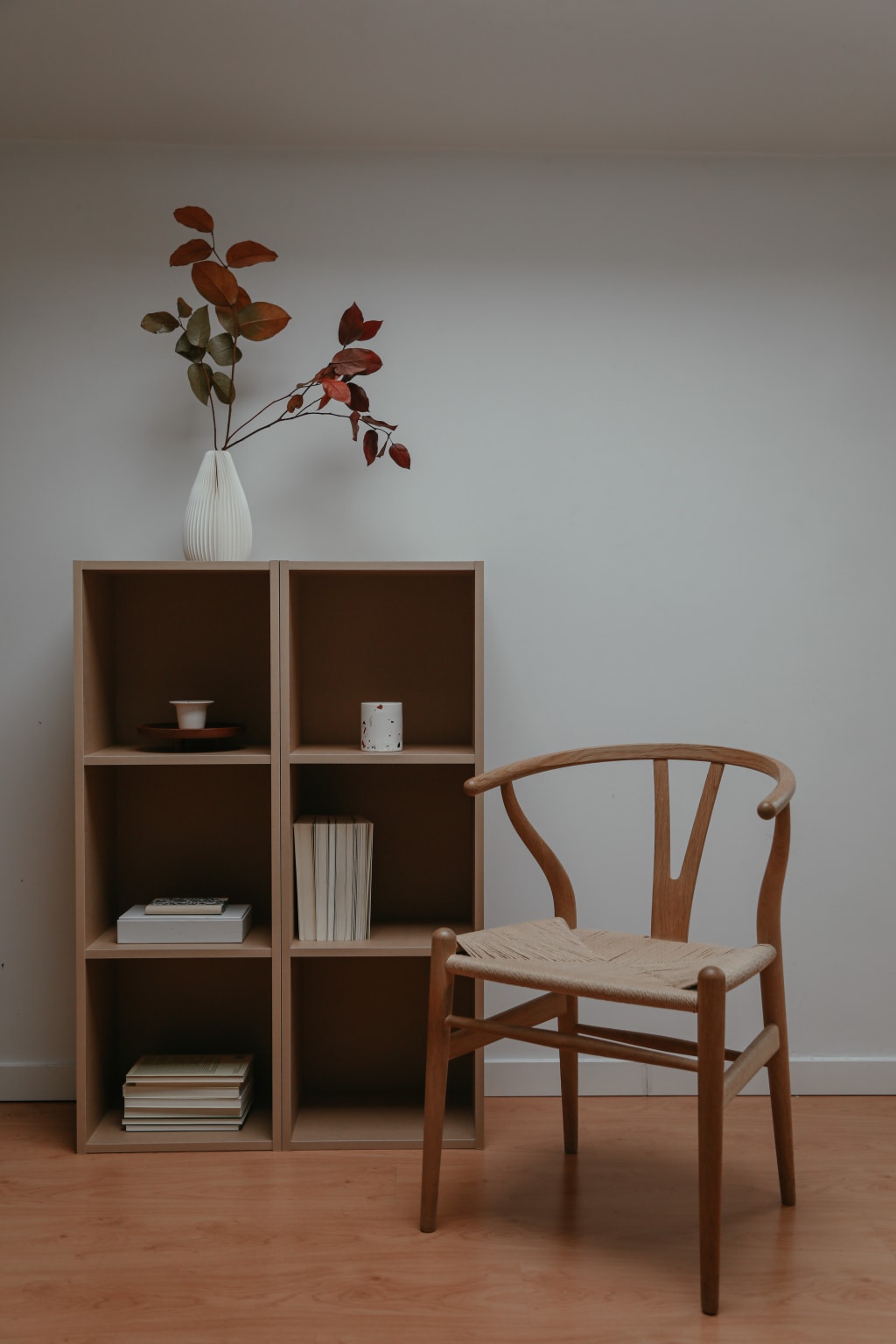
Minimalist design is a design approach that emphasizes simplicity, clarity, and the removal of unnecessary elements to create clean and functional aesthetics. It originated in the mid-20th century and has since become a popular style across various fields, including architecture, art, interior design, and graphic design.
Key principles of minimalist design include:
Simplicity: Minimalist design focuses on the essential elements and avoids unnecessary ornamentation or embellishment. It embraces a "less is more" philosophy, stripping away excess to achieve a visually clean and uncluttered look.
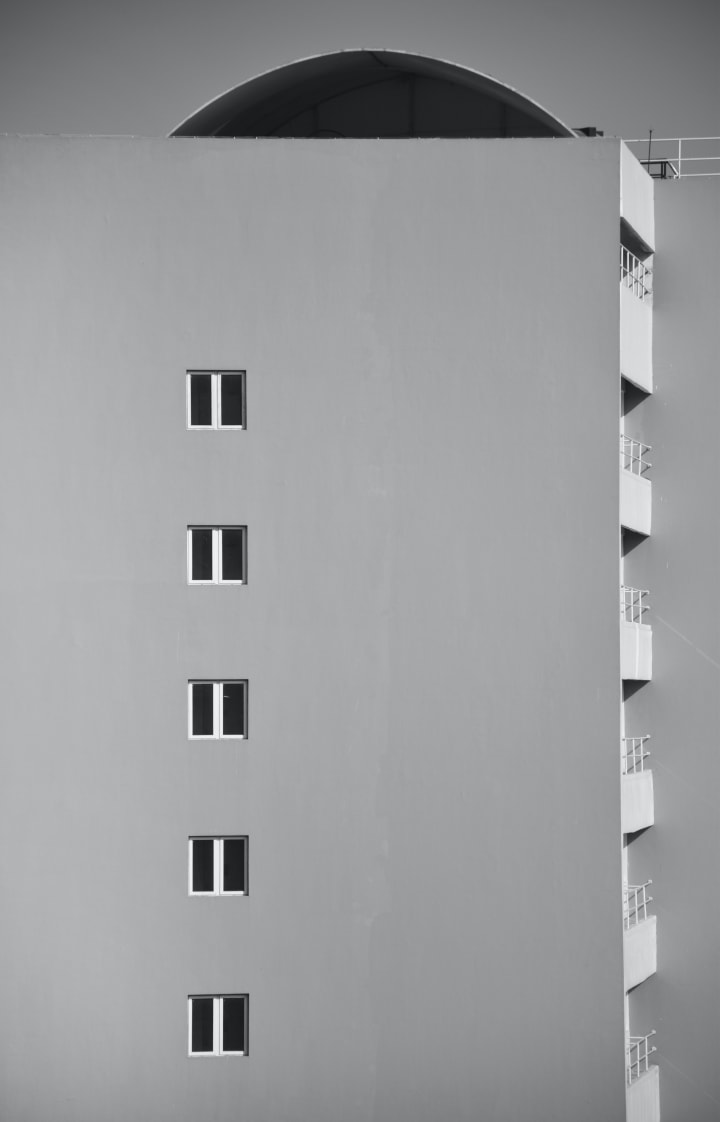
Clean Lines: Minimalist designs often feature straight, simple lines with sharp angles and geometric shapes. Curves and decorative elements are minimized or eliminated, contributing to the overall sense of order and simplicity.
Limited Color Palette: Minimalist design tends to employ a restrained color palette, typically consisting of neutral tones such as white, black, gray, and beige. These colors help create a sense of calmness, elegance, and timelessness.
Negative Space: Also known as white space, negative space refers to the empty areas around and between design elements. In minimalist design, negative space is deliberately used to provide breathing room, enhance visual clarity, and emphasize the importance of the remaining elements.
Functionality: Minimalism prioritizes function and purpose. Objects and designs should serve a clear purpose and be free from unnecessary complexity. This approach often leads to streamlined and efficient designs.
Minimalist Typography: In typography, minimalist design favors clean and simple fonts with a focus on legibility. Sans-serif typefaces are commonly used, with ample spacing between letters and lines to enhance readability.
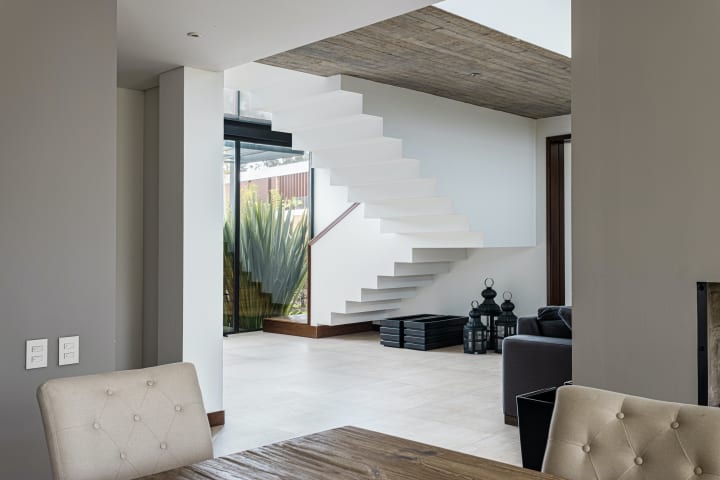
Minimalist Architecture: Minimalist architecture places emphasis on open spaces, natural light, and the use of basic geometric shapes. Buildings designed with minimalism in mind often feature clean lines, large windows, and an integration of indoor and outdoor spaces.
Here are some key details and characteristics of minimalist architecture:
Clean Lines: Minimalist architecture is characterized by clean, straight lines and simple geometric forms. It avoids excessive ornamentation or decorative elements. The focus is on achieving a visually uncluttered and streamlined appearance.
Open Floor Plans: Minimalist architecture often features open floor plans with a seamless flow between spaces. Walls and partitions are minimized to create a sense of openness and spaciousness.
Abundance of Natural Light: Minimalist designs prioritize natural light and often incorporate large windows, glass walls, and skylights. This helps to create a connection between the indoors and outdoors while maximizing the entry of daylight into the space.
Neutral Color Palette: Minimalist architecture typically employs a neutral color palette, consisting of shades of white, gray, beige, or earth tones. These colors create a calm and serene atmosphere and allow the focus to remain on the form and structure of the building.
Use of Natural Materials: Minimalist designs often showcase natural materials such as wood, stone, concrete, and glass. These materials are used in their raw or unadorned state to emphasize their inherent qualities and textures.
Spatial Hierarchy: Minimalist architecture pays attention to spatial hierarchy, highlighting essential areas and minimizing unnecessary partitions. It often features a hierarchy of spaces, where larger open areas are contrasted with smaller, more intimate spaces.
Emphasis on Functionality: Functionality is a key aspect of minimalist architecture. Spaces are designed with a purpose in mind, and unnecessary elements are eliminated. Furniture and fixtures are often simple and functional, with a focus on practicality and usability.
Integration with Nature: Minimalist architecture often seeks to integrate with the natural surroundings. This can be achieved through strategic placement of windows to capture views, incorporating outdoor living spaces, or using materials that harmonize with the environment.
Minimalist Landscaping: Minimalist architecture extends to the surrounding landscape design. Landscaping is kept simple and uncluttered, with an emphasis on clean lines, open spaces, and the use of native plants.
Attention to Detail: While minimalist architecture embraces simplicity, it also pays attention to detail. Clean and precise detailing, such as seamless joints, hidden hardware, and flush surfaces, contribute to the overall minimalist aesthetic.
These details collectively create minimalist architecture, a style that promotes simplicity, functionality, and a harmonious relationship between the built environment and its surroundings.
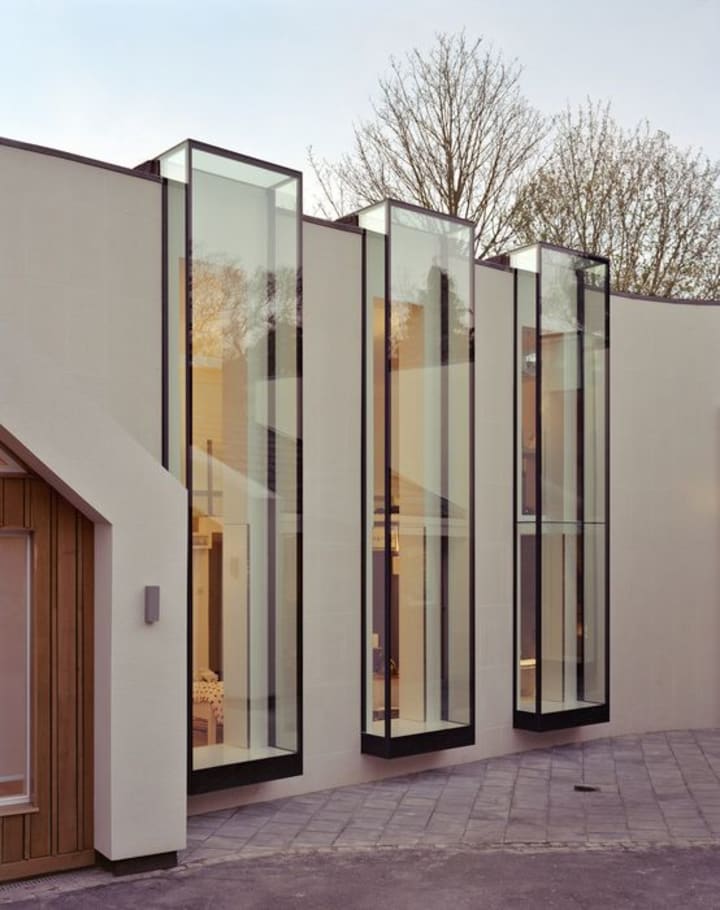
Minimalist design is often associated with a sense of calmness, order, and visual clarity. It strives to eliminate distractions and allows the user or viewer to focus on the essential elements. By reducing complexity, minimalist design can convey a sense of sophistication and timelessness.
About the Creator
'Till Death We Do Art
There would be nothing divine in this world without art. Nature may surpass the divine to all intents and purposes, but like everything it absorbs and is absorbed by, it remains here, stuck on the surface of this world, ever-present, physically bound to the universe.
By Avocado Nunzella BSc (Psych) -- M.A.P 25 days ago in Art
Modern Wall Decor Ideas with Bathroom Wallpaper and Kitchen Wallpaper
Creating Beautiful Interiors with Wall Decor A well-designed home begins with thoughtful wall decor choices that reflect both style and personality. Walls are often the largest surfaces in any room, so the way they are decorated has a major impact on the overall atmosphere of a space. From minimalist textures to bold decorative patterns, modern wall design has evolved into an important part of interior styling. By choosing decorative elements that complement furniture, lighting, and color palettes, homeowners can create a balanced and inviting environment that feels both comfortable and visually appealing.
By Wallanza Wallpaperabout 16 hours ago in Art
Writing To Succeed
If you want to find something that will help readers find your writing, possibly expand your audience, and maybe even get you noticed for other things, then you’re not alone. But how can you get it done in a world full of want-to-be writers? Look less at what you’re writing now, and more at what other writers have used to boost their views and reads.
By Jason Ray Morton 6 days ago in Writers



Comments
There are no comments for this story
Be the first to respond and start the conversation.