
Is Ant Pest Control Dangerous for Humans?
Risks and Safety Measures of Ant Pest Control for Humans
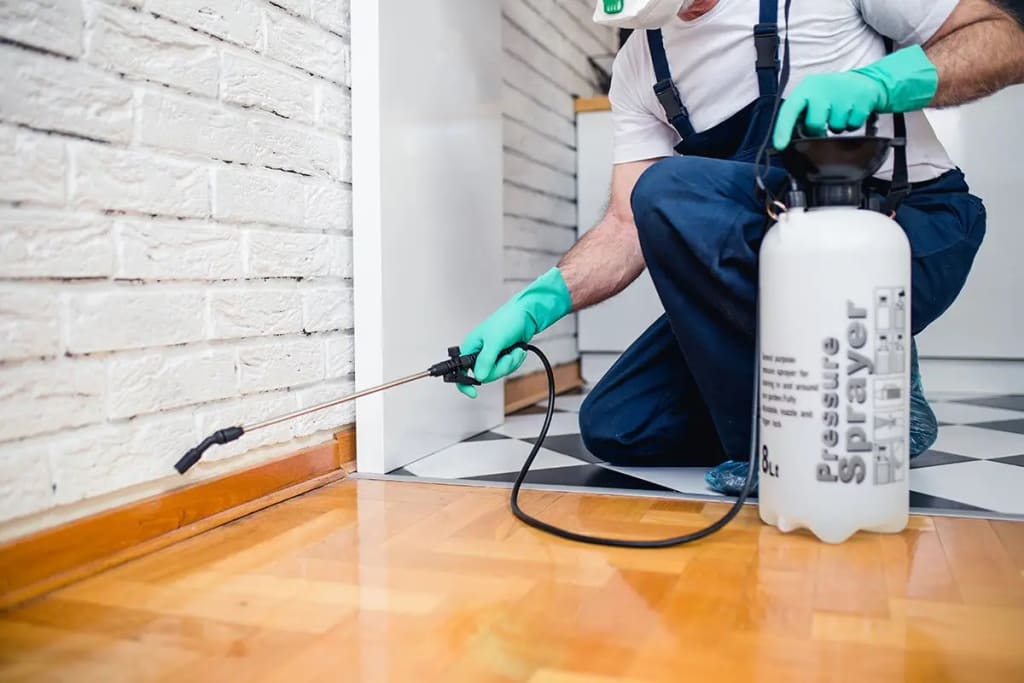
Ant pest control is an essential service for homeowners and businesses alike, especially in regions where ants can become a significant nuisance or even a health risk. While many people rely on professional pest control services to address ant infestations, there is often concern about the safety of these treatments, particularly when it comes to human health. This article will explore the potential risks and dangers associated with ant pest control, examining both chemical and natural methods and offering insights into how to minimize any associated hazards.
Understanding Ant Pest Control
Ant pest control refers to the various methods used to eliminate or manage ant infestations in homes, businesses, and other environments. Ants can enter buildings in search of food, water, or shelter, and depending on the species, their presence can be harmless or harmful. Some species, such as fire ants, can pose a danger due to their aggressive behavior and painful stings, while others, like carpenter ants, can cause structural damage by nesting in wood.
There are multiple strategies employed in ant pest control, ranging from chemical pesticides to natural remedies and preventative measures. The method chosen often depends on the severity of the infestation, the type of ants involved, and the preferences of the homeowner or business owner.
Types of Ant Pest Control Methods
Chemical Pesticides
Chemical pesticides are a common choice for ant pest control. These products are formulated to kill ants on contact or disrupt their colonies. Some popular chemicals include:
Pyrethroids: Synthetic chemicals that affect the nervous system of ants and other insects.
Baiting Systems: These involve using poison-laced food to attract ants, which then carry the pesticide back to the colony, effectively killing other ants.
Insect Growth Regulators (IGRs): These disrupt the development of ants, preventing them from maturing or reproducing.
While chemical pesticides are effective, they can be hazardous to humans, particularly if they are not used properly. Prolonged exposure to certain chemicals may cause health problems, including skin irritation, respiratory issues, or more severe long-term effects if ingested or inhaled.
Natural Remedies
Many people prefer ant pest control methods that use natural ingredients. These solutions are often viewed as safer for humans and pets. Common natural remedies include:
Diatomaceous Earth: A fine powder made from fossilized remains of aquatic organisms. It dehydrates ants and can be sprinkled in areas where ants are active.
Vinegar and Water Solutions: A mixture of vinegar and water can disrupt ant trails and deter ants from entering homes.
Essential Oils: Oils like peppermint, tea tree, and citrus are often used as deterrents for ants due to their strong scents.
These natural methods are generally less harmful to humans and pets, but they may not always be as effective as chemical options, especially in the case of large infestations.
Preventative Measures
Preventative ant pest control is about making your home less attractive to ants. Sealing entry points, cleaning up food sources, and removing moisture can prevent ants from entering in the first place. This is the safest approach for human health and well-being as it avoids the need for any chemicals or potentially hazardous substances.
Are Chemical Ant Pest Control Methods Dangerous for Humans?
Chemical ant control methods, while effective, can present potential dangers to humans, especially if safety guidelines are not followed. Some of the key risks associated with chemical treatments include:
Toxicity to Humans and Pets
Many ant pesticides contain chemicals that can be toxic if ingested, inhaled, or absorbed through the skin. Children and pets, who are often closer to the ground, are at a higher risk of exposure. Symptoms of poisoning can include nausea, dizziness, headaches, and respiratory distress.
Skin and Eye Irritation
Some chemical pesticides can cause skin and eye irritation upon contact. It's important to wear protective clothing and equipment, such as gloves and goggles, when handling or applying these substances.
Long-Term Health Effects
Prolonged or repeated exposure to certain chemicals, such as pyrethroids, has been linked to neurological issues and hormone disruption. While the levels of exposure from occasional pest control treatments may be low, the cumulative effects of long-term exposure, particularly in indoor environments, remain a concern.
Environmental Impact
Chemical pesticides can also be harmful to the environment, contaminating water sources and affecting non-target species. Care must be taken to apply these products only in the areas affected by ants to minimize environmental harm.
How to Reduce the Risks of Ant Pest Control
If you must use chemical treatments for ant pest control, there are several steps you can take to reduce the risks to your health and the health of your family:
Follow Instructions Carefully
Always read and follow the manufacturer's instructions when using any pesticide. Ensure you apply the product only in areas where ants are present and avoid overuse.
Limit Exposure
Avoid being in the treated area for several hours after pesticide application. If possible, have the treated space ventilated and wait for the recommended amount of time before re-entering.
Use Safe Products
Consider opting for less toxic alternatives, such as baits or low-toxicity pesticides. Many eco-friendly products are available on the market that offer effective ant pest control while being safer for humans, pets, and the environment.
Keep Children and Pets Away
Until the pesticide has dried or the recommended waiting period has passed, keep children and pets out of the treated areas. This will help prevent accidental exposure.
Consider Professional Pest Control Services
Hiring a professional pest control service can ensure that treatments are applied safely and effectively. Professionals are trained to handle chemicals correctly and minimize the risks associated with exposure.
Conclusion
In conclusion, ant pest control is not inherently dangerous to humans, but certain methods, particularly chemical pesticides, can pose risks if not used properly. While natural remedies and preventative measures are generally safer options, they may not always be effective for severe infestations. When opting for chemical treatments, it is crucial to take the necessary precautions to protect your health and the health of your family and pets. By following safety guidelines and choosing the right treatment for your needs, you can effectively manage an ant infestation without compromising your safety.
About the Creator
Alternative Pest
Protect your home from termites today! Alternative Pest specializes in safe, effective termite treatments with over 27 years of experience.
Homepage: https://alternativepest.net/
Keep reading
More stories from writers in Art and other communities.
PUBLIC NOTICE TO ALL CONCERNED PARTIES
Hear ye. Let it be known, and duly recorded, that this announcement is issued without malice, yet not without necessity. By order of no single authority, but by the slow consensus of losses accumulated, all persons are hereby advised to proceed with caution through the following conditions: Affection may no longer be assumed safe. Hope, once distributed freely, is now subject to sudden withdrawal without notice. The heart, though commonly treated as private property, has shown a tendency to breach containment during hours of silence, memory, and unguarded sleep. Citizens are reminded that promises made in good faith remain binding even after belief has expired. Ignorance will not be accepted as exemption. Please note: Repeated exposure to longing may result in irreversible tenderness, loss of composure, or the quiet refusal to comply with lesser lives. In the event of grief, remain calm. This reaction has been documented for centuries and is not considered a malfunction. Those found attempting to love cautiously will be advised, once, that caution has historically failed inspection. This notice shall remain in effect until further notice, or until the heart learns obedience— whichever proves less likely. Compliance is expected. Understanding is optional.
By A'laa Muhammad6 days ago in Art
Savannah Guthrie’s Mom: The Quiet Force Behind a Powerful Voice
Savannah Guthrie is widely recognized as one of the most respected faces in American broadcast journalism. As a co-anchor of Today, she is known for her clarity, composure, and ability to balance tough questioning with genuine empathy. While her professional achievements are well documented, far less is known about the family influences that helped shape her character—particularly the role of her mother, Nancy Guthrie. Though she lives largely outside the public eye, Nancy Guthrie’s influence has been central to Savannah’s personal values and professional identity.
By ORM_Specialist19 minutes ago in Art


Comments
There are no comments for this story
Be the first to respond and start the conversation.