
Illuminate Your Art: Expert Tips on Gallery Lighting for Paintings
How to Choose the Best Lighting to Enhance the Beauty and Detail of Your Art Collection
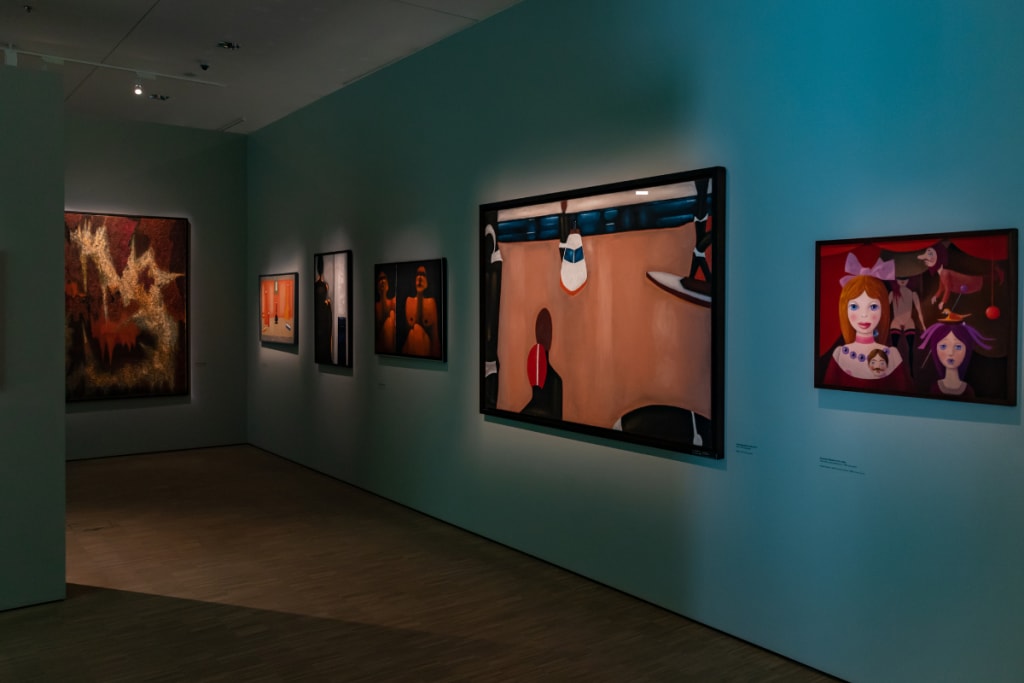
Lighting plays a crucial role in how art is viewed and appreciated. The right lighting can bring out the vibrancy, detail, and emotion in a painting, while poor lighting can dull its impact. Whether you're setting up an art gallery, enhancing your home collection, galleryor displaying artwork in a public space, understanding how to light paintings properly is key. In this post, we'll explore expert tips on choosing the perfect Gallery lights for paintings to ensure your art truly shines.
1. Understand the Impact of Lighting on Art
Before diving into the technical aspects of lighting, it’s important to grasp the overall influence lighting has on artwork. Different types of light, color temperatures, and light angles can alter how a painting looks. Good lighting makes colors appear vivid, textures more defined, and brushstrokes more visible, while bad lighting can wash out details or even cause glare. The goal is to enhance, not overwhelm, the art.
2. Choose the Right Color Temperature
Color temperature refers to how "warm" or "cool" a light source appears, measured in Kelvin (K). In art galleries, a color temperature between 3000K and 4000K is typically recommended. This range offers a balanced, natural light that enhances the colors in a painting without distortion.
Warm light (below 3000K): This can make artwork appear more yellow or orange, which might not suit all paintings, particularly those with cooler tones.
Cool light (above 4000K): While cool light is ideal for certain modern spaces, it may make artwork look harsh or overly bright, especially in more traditional pieces.
A color temperature in the middle range (3000K–4000K) provides a neutral light that highlights the colors and textures of a painting without altering its appearance.
3. Prioritize a High Color Rendering Index (CRI)
The Color Rendering Index (CRI) measures how accurately a light source displays colors compared to natural light. For gallery lighting, aim for lights with a CRI of 90 or higher. A high CRI ensures that the colors in the painting are true to the artist’s original vision, revealing every nuance and shade.
Low CRI lighting can dull the vibrancy of the painting and make fine details harder to distinguish, so investing in high-CRI lights is a must for any gallery or serious art collector.
4. Choose the Right Type of Lighting Fixture
There are several types of lighting fixtures that are ideal for illuminating paintings, each with its unique advantages.
Track Lighting: Track lights are highly adjustable and versatile. This makes them perfect for galleries or spaces where you may change out art or adjust the layout frequently. You can direct track lights to focus on specific paintings and easily adjust them to suit new pieces.
Recessed Lighting: For a clean and minimalist look, recessed lights are a great option. These are installed flush with the ceiling and provide a soft, even illumination. Though less flexible than track lighting, recessed lights create a seamless, modern gallery experience.
Picture Lights: If you want to highlight a specific painting, picture lights are designed for this purpose. Mounted above or below the artwork, they cast a focused light that enhances the painting’s features without overwhelming the space. This is an elegant solution for individual pieces or home displays.
LED Spotlights: LED spotlights are energy-efficient, long-lasting, and offer precise control over light direction. These are perfect for accentuating important pieces while maintaining an energy-efficient setup.
5. Control Light Placement and Angle
The positioning of your lighting is just as important as the type of fixture you choose. Incorrect light placement can cause harsh shadows, uneven illumination, or even damage the artwork over time. Here are some general guidelines for placing lights:
Angle your lights at a 30-degree angle from the painting to minimize glare and ensure even lighting. This angle works well for most types of artwork.
Avoid direct sunlight or overly bright lights, which can cause fading and damage to sensitive artwork. Opt for controlled lighting solutions like LED fixtures that generate minimal heat and UV radiation.
Adjustable fixtures can be a lifesaver when dealing with multiple artworks. By having the flexibility to tilt, rotate, or dim lights, you can cater the lighting to each piece individually.
6. Avoid Glare and Reflection
One of the biggest challenges in gallery lighting is avoiding glare, especially when lighting framed paintings or works behind glass. Glare can obscure important details and make viewing uncomfortable for visitors.
To combat glare, use fixtures that allow for adjustable angles or try diffused lighting. Softening the light or using anti-glare glass for framed works can also help reduce reflection and improve the overall viewing experience.
7. Consider Energy Efficiency and Longevity
When lighting a gallery, energy efficiency is a key factor, especially if the lights are going to be on for long periods. LED lights are the top choice for art galleries because they are energy-efficient, long-lasting, and don’t emit UV rays or heat, which can damage artwork. LEDs are also dimmable, providing more control over the brightness to suit different paintings and moods.
8. Use Dimmers for Flexibility
Different paintings require different lighting intensities, and the ability to adjust the brightness can be a game-changer in a gallery setting. Dimmers allow you to control the intensity of light based on the artwork and the time of day. Dimmable lights are particularly useful for creating a cozy atmosphere or spotlighting individual pieces without overpowering the room.
Final Thoughts
Choosing the perfect lighting for your art collection is about finding the right balance between enhancing the beauty of each piece and creating an inviting atmosphere for viewers. By paying attention to color temperature, CRI, lighting types, and placement, you can create a well-lit space that does justice to every painting. Whether you're curating an entire gallery or simply showcasing your personal collection, the right lighting will make all the difference in how your art is seen and appreciated.
Remember, lighting is as much an art as the paintings themselves, so take the time to experiment and adjust until you find the perfect illumination for your collection.
About the Creator
Keep reading
More stories from The light co and writers in Art and other communities.
Beyond the Ordinary: Discover the Coolest Weird-Shaped Lamps
Lighting isn’t just about brightening up a room; it can also be a fun way to show off your personality. While traditional lamps have their place, Weird Shaped lamps add a unique twist that makes any room more interesting. These quirky designs break the mold, adding a touch of whimsy and style to your space. Here are some of the coolest weird-shaped lamps that can give your home a standout look.
By The light co2 years ago in Art
'Till Death We Do Art
There would be nothing divine in this world without art. Nature may surpass the divine to all intents and purposes, but like everything it absorbs and is absorbed by, it remains here, stuck on the surface of this world, ever-present, physically bound to the universe.
By Avocado Nunzella BSc (Psych) -- M.A.P 24 days ago in Art
The Front Seat
I found myself waking up in the front seat of the bus. My eyes were filled with the early morning darkness. I had been asleep, but I wasn’t sure for how long. I tried to wake up my body, but my head felt heavy, as though I had been sleeping for an eternity, although I couldn’t pinpoint how much time had passed.
By Aunty Sadaabout 5 hours ago in Art




Comments
There are no comments for this story
Be the first to respond and start the conversation.