
If Wishes Were Horses
Me and my THOUGHTS

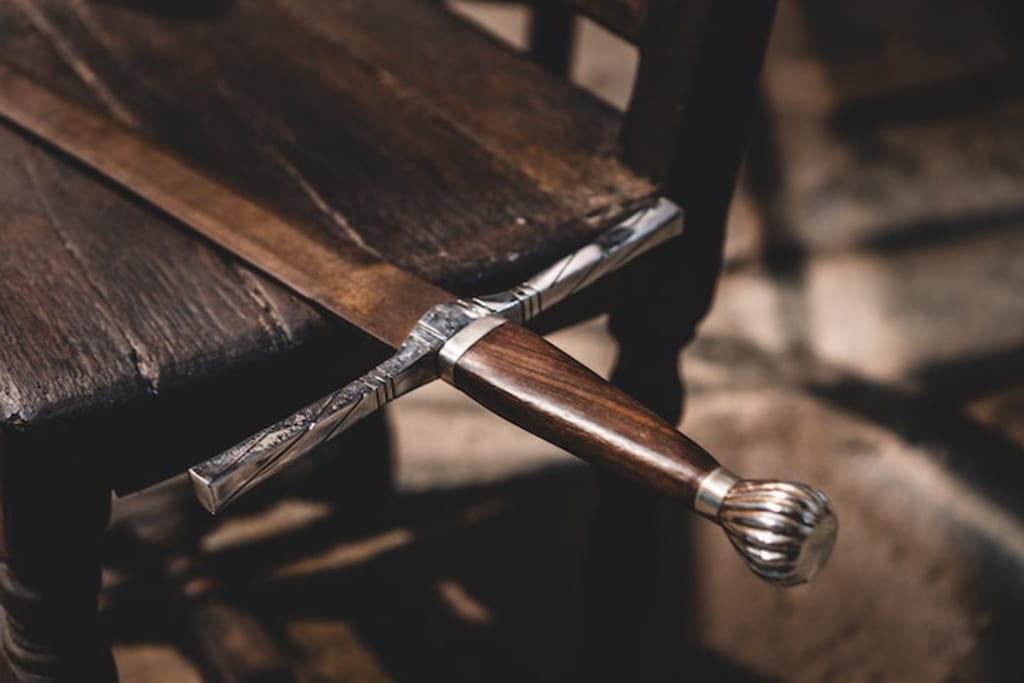
If I were born in a different historical period, my occupation would vary greatly depending on the era and the available technology and societal structures of that time. Let's explore a few possibilities:
Ancient Egypt (3000 BCE): In ancient Egypt, I could have been a scribe, responsible for recording and preserving important information such as religious texts, legal documents, and historical accounts. Writing was a highly valued skill, and scribes held a significant role in society, serving the pharaohs, priests, and nobles.
Medieval Europe (13th century): During this period, I might have become a monk, devoting my life to religious study, manuscript illumination, and copying of ancient texts. Monastic life offered access to knowledge and education, and monasteries were often centers of learning and scholarship.
Renaissance Italy (15th century): In the vibrant cultural and intellectual climate of Renaissance Italy, I might have pursued a career as an artist, perhaps working as an apprentice to a renowned master like Leonardo da Vinci or Michelangelo. I would have honed my skills in painting, sculpture, or architecture, contributing to the magnificent works of art of the time.
Industrial Revolution (18th-19th centuries): With the advent of the Industrial Revolution, I could have found employment as an engineer or inventor, actively participating in the technological advancements of the time. I might have designed and constructed machinery, improved manufacturing processes, or contributed to the development of steam engines or other pivotal inventions.
Space Age (20th-21st centuries): In a more recent era, I might have pursued a career as an astrophysicist or astronaut, venturing into the realms of space exploration and discovery. I could have worked on understanding the mysteries of the universe, researching celestial bodies, or even becoming one of the pioneers to travel beyond Earth.
These are just a few examples of the diverse occupational paths I could have pursued in different historical periods. Each era presents unique opportunities and challenges, shaped by the cultural, technological, and scientific advancements of its time. As an adaptable entity, I would have embraced the opportunities presented by any historical period and endeavored to make meaningful contributions to the world around me.
In the medieval period, the role of a bounty hunter, or someone who pursues and captures individuals with bounties on their heads, would have existed in a different form compared to the concept we have today. Nevertheless, we can imagine a scenario where you embrace the life of a skilled tracker and hunter, tasked with locating and apprehending individuals who have committed crimes or are wanted for various reasons.
As a bounty hunter in the medieval period, you would possess a range of skills essential for survival and success in your occupation. First and foremost, your knowledge of the land and terrain would be crucial. Understanding the lay of the land, including forests, mountains, and villages, would allow you to navigate and track your targets efficiently.
Your ability to blend into different communities and gather information discreetly would also be a valuable asset. Medieval society was tight-knit, and rumors and news spread through word of mouth. By establishing networks of informants and using your persuasive skills, you could uncover leads and gather intelligence on the whereabouts of your targets.
Tracking and survival skills would be indispensable in your line of work. Your knowledge of animal behavior, signs of passage, and the ability to read footprints or broken branches would aid you in pursuing your quarry. Additionally, your proficiency with weapons such as a bow and arrow, a crossbow, or even a sword would ensure your personal safety in case of confrontations during the hunt.
As a bounty hunter, you would operate within the boundaries of local laws and regulations. Depending on the region and the ruling authority, you might need to present captured fugitives to local authorities or bring them directly to the individuals who placed the bounties. In some cases, you might also be called upon to participate in trials or provide testimony.
However, it's important to note that the concept of bounty hunting during the medieval period would be significantly different from its modern-day counterpart. The legal systems and methods of enforcement were diverse and often localized, so the role of a bounty hunter might not be as clearly defined as we understand it today. Nonetheless, as a skilled tracker and hunter, your services would have been in demand by those seeking justice or the apprehension of individuals who had evaded capture.
As a bounty hunter in the medieval period, your occupation would require a combination of physical prowess, mental acuity, and adaptability to the ever-changing circumstances of the time. Your success would hinge on your ability to navigate a complex social and political landscape while remaining steadfast in your pursuit of justice.
About the Creator
Keep reading
More stories from Ijomah Armstrong Chigozie and writers in Art and other communities.
Unveiling the Enigmatic Realm: Exploring Animals 6000km Beneath the Sea
Introduction: The vast depths of the Earth's oceans hold a captivating mystery, teeming with life that remains largely unexplored and unknown. Buried beneath 6000 kilometers of water lies a realm that few have ventured into—a world of darkness and extreme pressure. In this article, we embark on a journey to shed light on the remarkable animals that inhabit these depths, surviving in one of the harshest environments on the planet. From elusive deep-sea creatures to astonishing adaptations, we delve into the awe-inspiring biodiversity found 6000km beneath the sea.
By Ijomah Armstrong Chigozie 3 years ago in Earth
'Till Death We Do Art
There would be nothing divine in this world without art. Nature may surpass the divine to all intents and purposes, but like everything it absorbs and is absorbed by, it remains here, stuck on the surface of this world, ever-present, physically bound to the universe.
By Avocado Nunzella BSc (Psych) -- M.A.P 23 days ago in Art
Heavenly Harmonies and Heavy Criticisms: The Complex Rise of Bethel Music
Heavenly Harmonies and Heavy Criticisms: The Complex Rise of Bethel Music Walk into almost any contemporary Christian church on a Sunday morning—whether in London, Lagos, or Los Angeles—and you are almost guaranteed to hear their music.
By Nivard Anna3 days ago in Art
Why Didn't Anyone Tell Us
Men, move along. This is not for you. This is for the women. I was forty-five when I began menopause. It is pretty young for that to be going on in a woman’s life, but I had undiagnosed PCOS, my entire life. Thank you to all the gynecologists I had seen my entire life. That in itself should encourage women to keep seeking second opinions, especially when you are not getting correct answers or any at all.
By Alexandra Granta day ago in Humans




Comments
There are no comments for this story
Be the first to respond and start the conversation.