
HVAC Business Cards: Must-Have Features for US Contractors
HVAC Business Cards

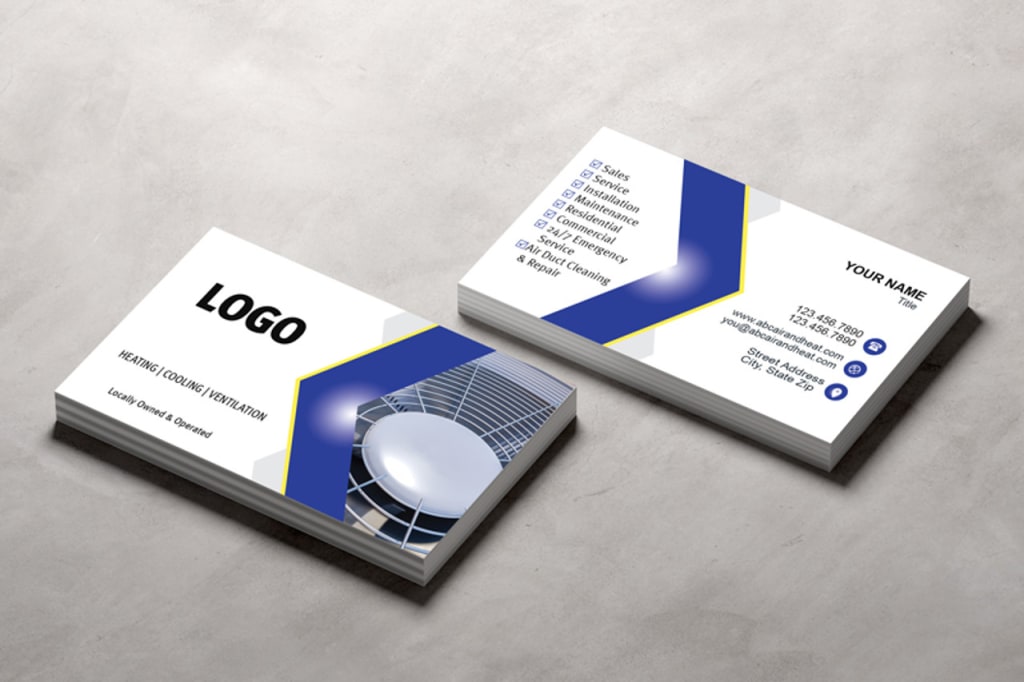
In the competitive HVAC industry, a bold HVAC business card isn't just a piece of paper—it's your first impression, a marketing tool, and a trust signal all rolled into one. Whether you're a seasoned contractor or just starting out, having a well-designed custom HVAC business card can set you apart and make it easier for clients to reach you.
In this comprehensive guide, we'll explore the essential features your HVAC business card should have, design tips, and how to make it work for you.
Why HVAC Business Cards Matter
Business cards are more than just contact information; they’re a reflection of your professionalism and brand. In the HVAC industry, where trust and reliability are paramount, your business card can:
Showcase your expertise: Highlight your services and specialties.
Build credibility: A well-designed card signals professionalism.
Encourage referrals: Clients are more likely to recommend you if they have your card handy.
Provide easy contact options: Ensure potential clients can reach you effortlessly.
Essential Features of an HVAC Business Card
1. Clear Contact Information
At a minimum, your card should include:
- Full Name: Your professional name.
- Job Title: E.g., HVAC Technician, Owner, Service Manager.
- Phone Number: Preferably a direct line.
- Email Address: A professional email address.
- Website: If you have one, it adds credibility.
- Social Media Handles: If applicable, especially for platforms like LinkedIn.
2. Professional Design and Layout
Your card should be:
- Legible: Use clear, easy-to-read fonts.
- Consistent: Align with your brand colors and logo.
- Simple: Avoid clutter; focus on essential information.
3. Logo and Tagline
Including your company logo and a concise tagline can:
- Enhance brand recognition: Helps clients remember your business.
- Convey your value proposition: E.g., "24/7 Emergency HVAC Services."
4. List of Services
A brief list of your core services can:
- Inform potential clients: Let them know what you specialize in.
- Attract specific jobs: E.g., "AC Installation," "Furnace Repair."
5. Testimonials or Portfolio Showcase
If space allows, consider adding:
- Client Testimonials: A short, impactful quote.
- Portfolio Highlights: Showcase a recent project or achievement.
Design Tips for an Effective HVAC Business Card
1. Choose the Right Colors
- Blue and Red: Represent cold and hot, respectively.
- Gray or Black: Conveys professionalism and reliability.
- Avoid Overuse of Bright Colors: They can be distracting.
2. Select Quality Materials
- Thick Cardstock: Feels substantial and durable.
- Matte or Gloss Finish: Choose based on your brand's tone.
Eco-Friendly Options: Consider recycled materials to appeal to environmentally conscious clients.
3. Incorporate a QR Code
- A QR code can:
- Link to your website: Allow clients to learn more about your services.
- Direct to booking page: Enable easy appointment scheduling.
4. Utilize Both Sides
The back of your card can be used for:
- Additional Information: E.g., service list, promotions.
- Appointment Reminders: Space for clients to note service dates.
Creative Ideas to Stand Out
- Shaped Cards: Consider cards shaped like HVAC equipment.
- Interactive Elements: Include a small fold-out with service details.
- Referral Offers: Add a discount for clients who refer others.
Where to Print Your HVAC Business Cards
For high-quality, customizable options, consider services like PrintIt4Less. They offer:
- Custom Designs: Tailored to your brand.
- Variety of Finishes: Choose from matte, gloss, or eco-friendly materials.
- Bulk Printing: Cost-effective solutions for large orders.
FAQs
Q1: How many business cards should I order?
It's advisable to start with a batch of 500 to 1,000 cards. This quantity is manageable and ensures you have enough for networking events, client meetings, and referrals.
Q2: Can I design my own business card?
Yes, many printing services offer online design tools. Alternatively, you can hire a graphic designer to create a custom design that aligns with your brand.
Q3: Should I include pricing on my business card?
It's generally not recommended. Pricing can vary based on the job and may change over time. Instead, focus on showcasing your services and encouraging clients to contact you for quotes.
Q4: How often should I update my business card?
Update your card whenever there's a significant change, such as a new phone number, service offering, or branding update. Regularly reviewing your card ensures it remains current and accurate.
Final Thoughts
A bold HVAC business card is more than just a contact tool; it's a representation of your brand and professionalism. By incorporating the essential features discussed and focusing on quality design, you can create a card that not only provides information but also leaves a lasting impression on potential clients.
Remember, your business card is often the first physical interaction a client has with your business. Make it count!
About the Creator
Shawn Samaei
Businesses can easily create expert, branded documents that are catered to their particular requirements by custom printing multi-part carbonless invoices and forms through PrintIt4Less.com.
Keep reading
More stories from Shawn Samaei and writers in Art and other communities.
What Is a Receipt Book and Why Do You Need One?
If you operate a small business, work as a freelancer, or sell goods at a local market, you may be familiar with the term "receipt book." But what precisely is a receipt book, and why does it still hold value in our increasingly digital world?
By Shawn Samaei7 months ago in Journal
“What If It Happens?”
Monday, 11 April 2022 Ishrat Jahan One of our friends, Mr. Farooq, is a middle-aged man, yet he has still not been able to free himself from his deeply suspicious and fearful nature. These days, I happened to have some free time, so I thought it would be a good idea to meet him and try to untangle the puzzle of his constant worries. By coincidence, he himself arrived at my humble home, jolting along in a rickshaw.
By Sudais Zakwana day ago in Art
Introduction to Organic Solutions
In the realm of fitness, the role of nutrition cannot be overstated, and organic supplements are increasingly recognised as essential components of a well-rounded training regime. Unlike their synthetic counterparts, organic supplements are derived from natural sources, ensuring that fitness trainers can provide their clients with products that are free from harmful additives and chemicals. This not only promotes better health but also supports the body’s natural processes, thereby enhancing overall performance and recovery.
By Organic Products 6 days ago in Art


Comments
There are no comments for this story
Be the first to respond and start the conversation.