
What Is a Receipt Book and Why Do You Need One?
A simple guide to understanding and using receipt books for your business.
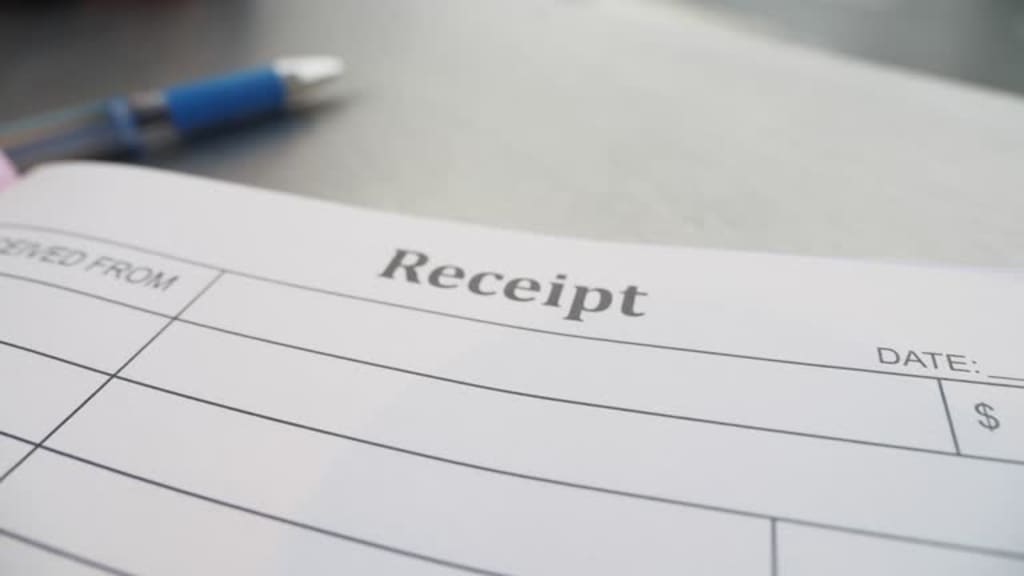
If you operate a small business, work as a freelancer, or sell goods at a local market, you may be familiar with the term "receipt book." But what precisely is a receipt book, and why does it still hold value in our increasingly digital world?
In this article, we’ll explain what a receipt book is, when to utilize it, and why it could be a wise addition to your business toolkit.
What Is a Receipt Book?
A receipt book is typically a small, bound collection of forms used to provide customers with written confirmation of a purchase or payment. These books often contain multiple copies—one for the customer and another for your records. Each receipt typically features details such as the date, item or service purchased, amount paid, and payment method.
Receipt books are frequently used by:
- Small businesses
- Freelancers
- Delivery drivers
- Market vendors
- Tradespeople
Even in the modern digital age, many individuals still appreciate or require a physical record of their transactions.
When Should You Use a Receipt Book?
You might wonder, "Why opt for a receipt book when I could send an invoice via email or use an app?" That’s a fair point. However, several circumstances make a physical receipt book a more practical choice:
- No internet connection – When you’re selling products or services in an area without Wi-Fi or mobile service, a physical receipt book is immediate and dependable.
- Customer preference – Some clients still prefer to receive a printed receipt.
- Quick transactions – For minor sales or one-off purchases, completing a receipt book is often quicker than launching an app.
- Legal or tax records – Receipt books provide a straightforward, tangible trail for your bookkeeping and tax purposes.
How to Choose the Right Receipt Book
With many receipt books available, how do you select the one that best meets your requirements? Here are a few factors to think about:
- Size – Opt for a compact book for convenience or a larger one if you operate from a desk.
- Number of copies – Carbonless 2-part or 3-part forms allow you to provide one copy to the customer while retaining one or two for your records.
- Customization – Some businesses prefer receipts that feature their logo, name, and contact details for a more professional look.
- Binding style – Top-bound books are common, but side-bound variations also exist depending on your writing style.
Where to Buy Quality Receipt Books
Receipt books are widely available in most office supply stores or online. If you’re in search of custom-printed receipt books that display your business name and logo, Printit4less is an excellent choice. They provide a variety of customizable products tailored specifically for small and medium-sized enterprises.
Why Are Receipt Books Still Relevant?
In an era of digital payments and mobile applications, receipt books might appear outdated. However, their practicality remains intact. Here’s why they continue to be important:
- Simplicity – No need for apps, batteries, or internet connectivity. Just write and proceed.
- Reliability – Unlike digital devices, receipt books won’t crash or risk data loss.
- Trust – A physical receipt can offer your customers reassurance, especially in cash transactions.
- Professional appearance – Even if your business is modest, handing over a neatly written receipt creates a positive impression.
Final Thoughts
So, what constitutes a receipt book? It’s more than just a piece of paper—it’s a resource that can enhance your business operations. Whether you’re selling items, delivering services, or simply aiming to stay organized, a receipt book is a useful and economical solution.
About the Creator
Shawn Samaei
Businesses can easily create expert, branded documents that are catered to their particular requirements by custom printing multi-part carbonless invoices and forms through PrintIt4Less.com.
Keep reading
More stories from Shawn Samaei and writers in Journal and other communities.
Understanding HVAC Invoices: What You Need to Know
Operating an HVAC company involves more than merely installing air conditioning units or repairing heating systems. It also entails handling paperwork effectively, especially invoices. HVAC invoices serve as more than just payment requests—they are crucial for maintaining your business's order, ensuring timely payments, and fostering trust with your customers.
By Shawn Samaei8 months ago in Journal
The goals I did not achieve
Every writing goal I made for the year is a wash. It has been this way for a while, but I think it's important to be open about my failures and the reality of how life can get in the way. This is especially true considering the several times I have posted on Vocal about my writing goals, how I was changing my approach, and where I was hoping to be for the upcoming year. I will probably do that again in a couple months, but for now, it is time to acknowledge where I am today.
By Kay Husnick22 days ago in Journal
What I Noticed When Light Stopped Feeling Sharp
I never would have described the light around me as a problem. It was bright enough. Clean. Modern. Exactly what you expect in a well designed indoor space. If someone had asked me whether the lighting felt uncomfortable, I probably would have said no.
By illumipureabout 24 hours ago in Journal




Comments