
How To Draw A Butterfly: Master The Art
Unleash Your Creativity: How to Draw a Butterfly That Pops Off the Page

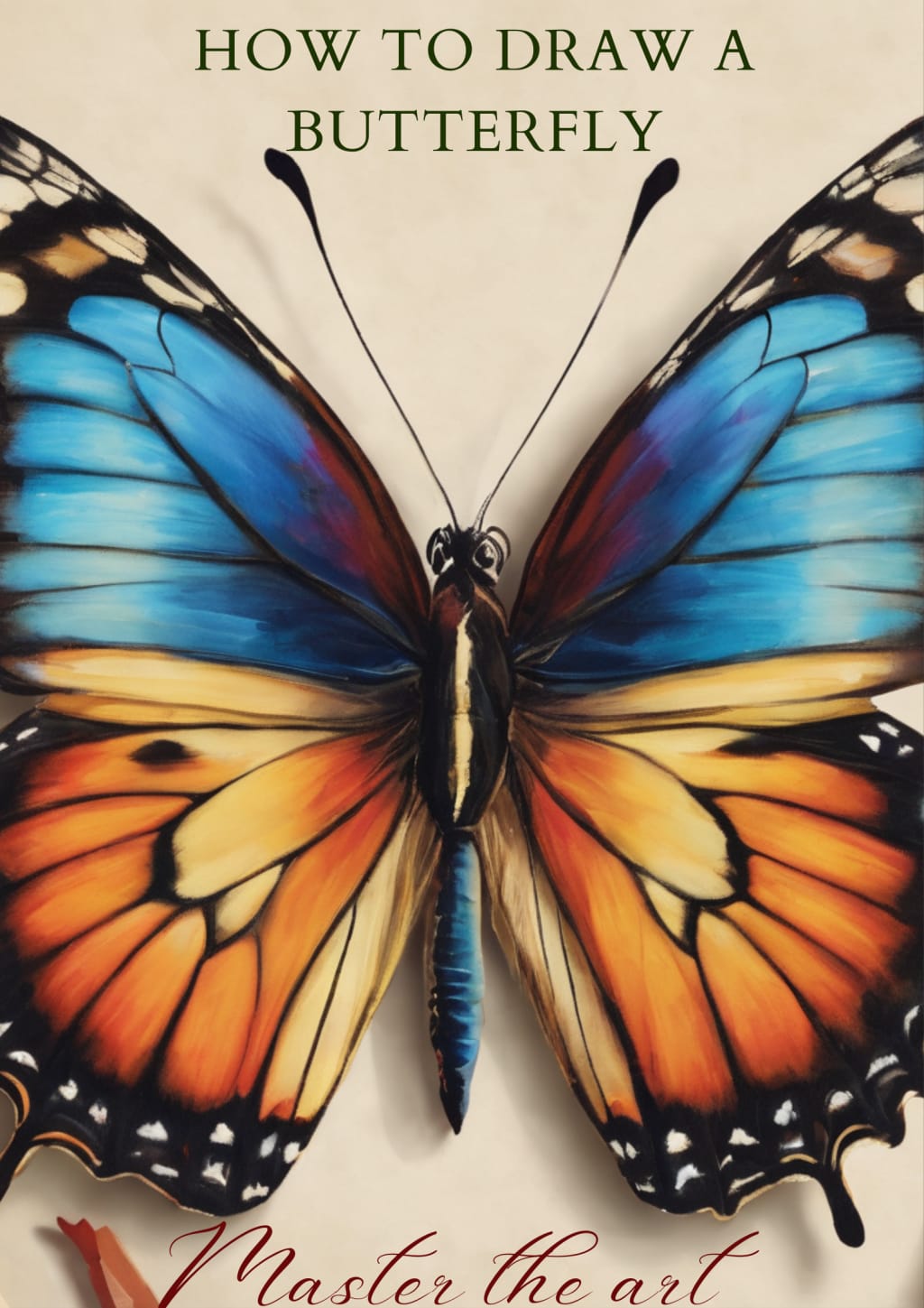
The artistry of drawing a butterfly transcends the mere act of putting pencil to paper; it’s a captivating journey that intertwines observation, creativity, and personal expression. Capturing the delicate beauty of these winged creatures isn’t just about replicating their form; it’s about infusing life into the strokes, understanding their essence, and letting imagination take flight.
In this comprehensive guide, we delve into the enchanting realm of butterfly drawing — unraveling the intricacies of observation, exploring diverse styles, experimenting with mediums, adding depth to creations, and finally, the joy of sharing your artwork. Whether you’re a budding artist eager to learn or a seasoned creator seeking new perspectives, this guide aims to be your compass in mastering the art of drawing butterflies.
Embark with us on a journey where keen observation leads to breathtaking renditions, where diverse styles spark creative fervor, where mediums become instruments of expression, and where sharing your art bridges connections within a thriving community. Let’s unfold the wings of imagination and delve into the magical world of butterfly drawing together.
Table Of Content
- The Art of Observation: Studying Butterfly Anatomy for Drawing
- Drawing Butterflies in Different Styles: Finding Your Approach
- Exploring Mediums: Pencil, Ink, and Digital Techniques
- Creating Depth and Texture: Adding Dimension to Your Drawn Butterfly
- Sharing Your Art: Showcasing and Connecting Through Butterfly Drawings
Section 1: The Art of Observation: Studying Butterfly Anatomy for Drawing
Drawing a butterfly begins with a curious eye and a keen sense of observation. To truly master the art, it’s essential to understand the intricate details of a butterfly’s anatomy.
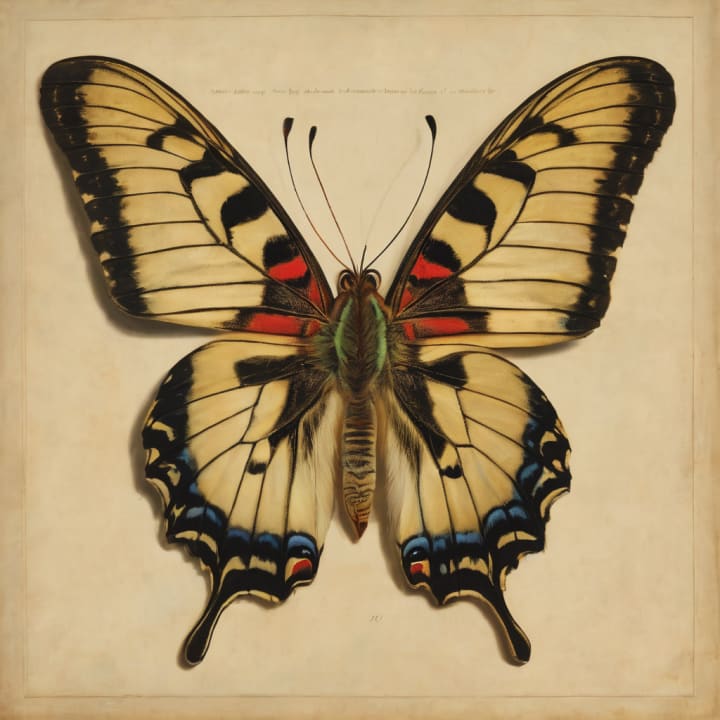
Wings in Motion
Start by observing the wings — the hallmark of a butterfly’s elegance. Notice their size, shape, and the delicate patterns that adorn them. Study how the wings move, how they gracefully flutter in the air, and capture that essence in your drawings.
Symmetry and Proportion
Butterflies boast remarkable symmetry. Take note of the perfect balance in their wings and bodies. Observe how the patterns on one side mirror those on the other. Pay attention to proportions, ensuring the body aligns harmoniously with the wings.
Anatomy Insights
Delve deeper into the anatomy. Study the segments of the body, the way antennae curl, and the slender legs. Note the nuances — the tiny scales covering their wings, the texture of their bodies, and how light plays on their surface.
Natural Habitat Observation
Observing butterflies in their natural habitat provides invaluable insights. Watch them perch, feed, and take flight. Observe their behavior and posture, as these observations will infuse life into your drawings.
Drawing from Observation
Apply these observations to your drawing process. Start with simple sketches, focusing on replicating what you’ve observed. As you progress, aim for accuracy, striving to capture the essence and beauty of butterflies through your art.
Studying butterfly anatomy isn’t just about replicating what you see; it’s about understanding and appreciating the intricate details that make these creatures captivating. This keen observation lays the foundation for creating stunning butterfly drawings that resonate with realism and beauty.
Section 2: Drawing Butterflies in Different Styles: Finding Your Approach
The beauty of drawing lies in its diversity of styles. When it comes to drawing butterflies, there’s no single right way. Embrace the freedom to explore various styles until you find the one that resonates with your creativity.
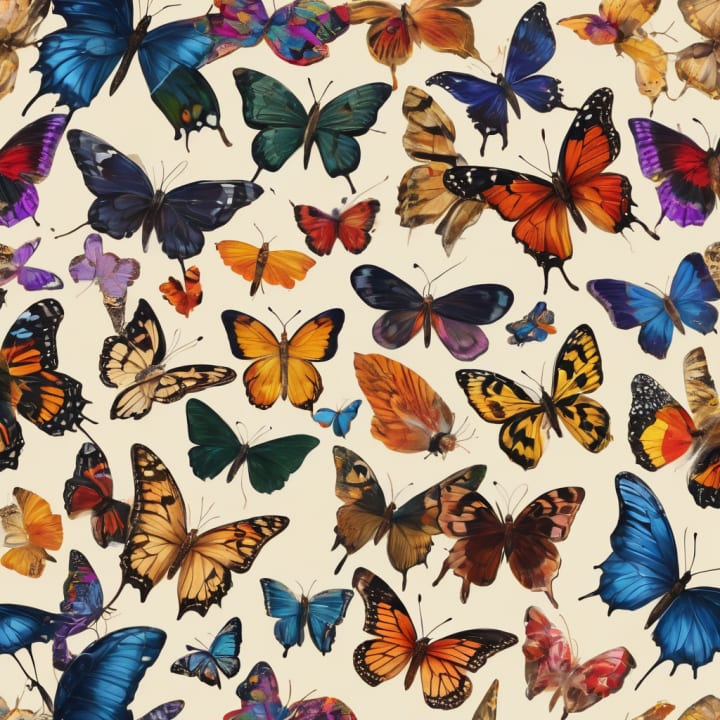
Realism vs. Interpretation
Some artists prefer realism, aiming for detailed, lifelike representations of butterflies. Others find joy in interpretative styles, using abstract forms or vibrant colors to convey the essence of these ethereal creatures. Experiment with both approaches to discover your preference.
Whimsical Expressions
Delve into whimsy and imagination by infusing fantastical elements into your butterfly drawings. Play with colors, shapes, and sizes, letting your imagination take flight. This style offers a whimsical allure, inviting viewers into a world of artistic charm.
Geometric Precision
For those inclined towards structure and precision, geometric styles present an intriguing approach. Utilize straight lines, angles, and geometric patterns to craft butterflies with a contemporary, almost mathematical, allure.
Blending Styles
Don’t feel confined to a single style. Blend techniques and approaches to create hybrid styles that are uniquely yours. Merge realism with elements of abstraction or infuse whimsy into geometric designs. The fusion of styles often leads to innovative and captivating results.
Personal Expression
Ultimately, your chosen style should reflect your personal expression. Whether it’s soft and dreamy, bold and abstract, or meticulously detailed, let your drawings echo your emotions and perspectives.
Drawing butterflies isn’t solely about replicating their physical form; it’s about infusing your own artistic flair. Embrace experimentation, explore various styles, and let your creativity soar as you find the approach that speaks to you.
Section 3: Exploring Mediums: Pencil, Ink, and Digital Techniques
Choosing the right medium is pivotal in bringing your butterfly drawings to life. Each medium offers its own set of advantages, allowing you to experiment with textures, tones, and styles.
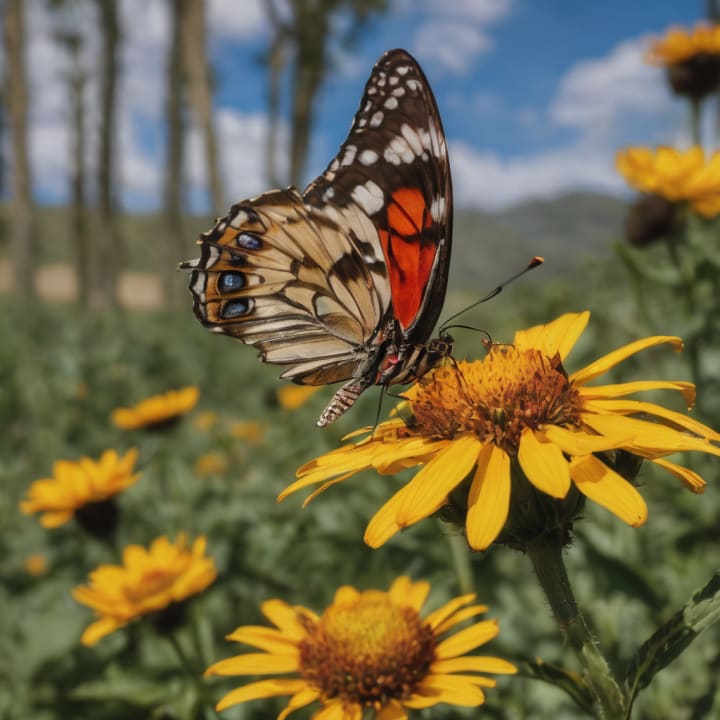
The Versatility of Pencil
Pencil drawing is a classic choice, offering control and versatility. It allows for delicate shading, fine details, and the ability to create depth through varying pressure. Experiment with different pencil grades to achieve varying tones and textures.
The Boldness of Ink
Ink presents a bold and definitive approach to butterfly drawing. Its permanence demands precision and confidence in strokes. Explore the use of fine liners, dip pens, or even brush pens to create expressive lines and captivating textures.
Embracing Digital Tools
Digital tools open a realm of endless possibilities. Digital drawing software offers layers, textures, and an array of customizable brushes. It allows for easy corrections and experimentation, making it an excellent choice for both beginners and experienced artists.
Blending Techniques
Consider blending mediums for intriguing effects. Combine pencil sketches with ink linework for a mixed-media approach. Or integrate digital coloring with traditional sketches, allowing for a seamless fusion of techniques.
Choosing Your Medium
Select a medium that resonates with your style and preferences. Experimentation is key — try various mediums to discover which one complements your artistic vision for butterfly drawings.
Exploring different mediums isn’t just about choosing a tool; it’s about finding a medium that aligns with your artistic intentions. Embrace the unique qualities of each medium and leverage them to elevate your butterfly drawings to new heights.
Section 4: Creating Depth and Texture: Adding Dimension to Your Drawn Butterfly
Bringing a butterfly drawing to life involves more than just outlining its form; it requires the infusion of depth and texture that mimic the intricacies of these ethereal creatures.
Shading Techniques
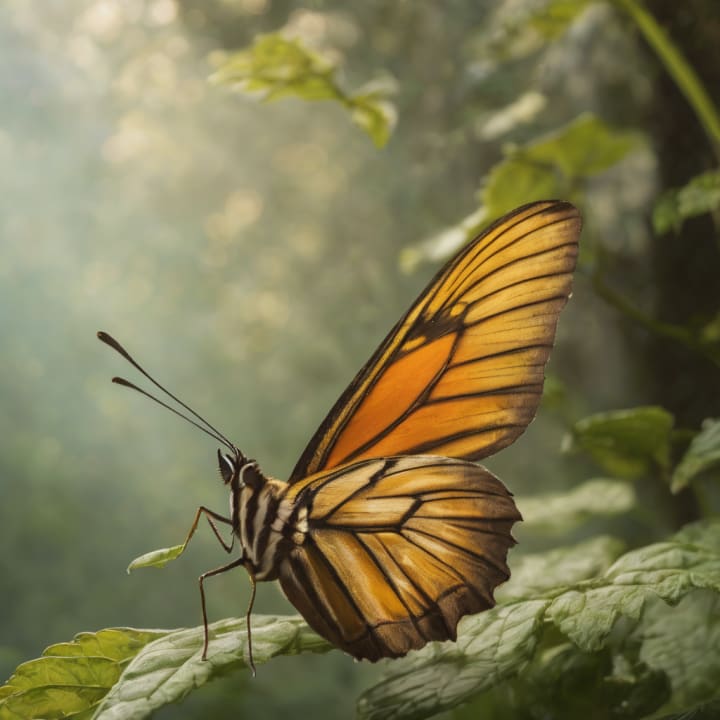
Explore the world of shading to create depth in your butterfly drawings. Use varying pressures and strokes to differentiate light and shadow, giving your artwork a sense of volume and dimension. Pay attention to where light falls on the butterfly’s wings and body, emphasizing highlights and casting subtle shadows.
Layering and Details
Delve into the world of layering to add complexity and depth. Build layers of colors or textures to mimic the intricacies found in a butterfly’s wings. Pay attention to finer details — the veins, scales, or patterns — to render a more lifelike representation.
Texture Exploration
Experiment with various techniques to replicate textures found in nature. From the softness of a butterfly’s wings to the ruggedness of its body, explore different strokes, blending methods, or tools to capture these textures effectively.
Foreground and Background
Consider the context in which your butterfly exists. A well-defined background can enhance the visual impact of your drawing. Experiment with depth of field, blurring backgrounds, or adding elements that complement the butterfly without overpowering its presence.
Mixed Media for Dimension
Blend mediums to achieve unique textures and dimensions. Combine pencil shading with ink linework or experiment with digital overlays to create a multidimensional effect that elevates your butterfly drawing.
Adding depth and texture to your butterfly drawing isn’t just about visual appeal; it’s about creating a more immersive and lifelike representation. Experiment with techniques, layering, and backgrounds to bring your butterfly drawings to vibrant life.
Section 5: Sharing Your Art: Showcasing and Connecting Through Butterfly Drawings
Drawing butterflies isn’t just a solitary pursuit; it’s a gateway to connection and sharing within a vibrant artistic community. Sharing your artwork not only allows you to showcase your talent but also fosters connections and inspiration.
Online Platforms: Sharing Your Vision
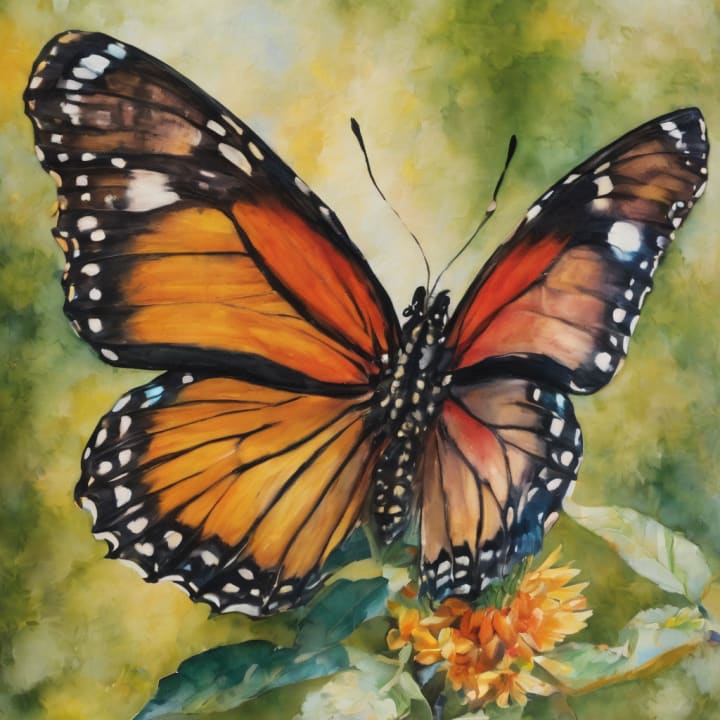
Utilize online platforms such as social media, art forums, or dedicated art-sharing websites to showcase your butterfly drawings. Engage with other artists, seek feedback, and inspire others with your unique interpretations.
Local Exhibitions and Art Events
Participate in local exhibitions or art events to display your artwork in physical spaces. These events provide an opportunity to network with fellow artists, art enthusiasts, and potential admirers of your butterfly drawings.
Teaching and Workshops
Share your skills by conducting workshops or tutorials. Teaching others how to draw butterflies not only reinforces your knowledge but also creates a sense of fulfillment as you inspire budding artists.
Collaborative Projects
Collaborate with other artists on butterfly-themed projects. Collaborations offer a chance to learn from others, merge diverse styles, and create captivating artworks that blend multiple perspectives.
Engaging with the Community
Engage with your audience by sharing the stories behind your drawings. Explain your inspiration, techniques, or the emotions you aimed to convey. Encourage discussions and interactions to foster a deeper connection.
Sharing your butterfly drawings isn’t just about displaying your art; it’s about forging connections, inspiring others, and being part of a thriving artistic community. Embrace the joy of sharing your creativity and contributing to the collective beauty of art.
Conclusion
Drawing a butterfly isn’t just about sketching its form; it’s about capturing its essence — the delicate flutter of wings, the graceful curves, and the vibrant patterns that make each species a marvel. Throughout this journey, we’ve unveiled the artistry that lies within observation, explored the canvas of diverse styles, embraced the versatility of mediums, added depth and texture to our creations, and finally, learned the joy of sharing our artwork with the world.
Remember, mastery in art isn’t measured by perfection but by the dedication to progress. Each stroke, each observation, and each exploration contributes to your growth as an artist. Embrace experimentation, celebrate the uniqueness of your style, and find solace in the journey of continuous learning.
As you embark on your butterfly drawing endeavors, let passion be your guide and creativity your wings. Share your art, inspire others, and cherish the connections forged through the beauty of butterfly drawings. Let your imagination soar, and may the enchantment of these graceful creatures continue to fuel your artistic spirit.
Thank you for joining us on this artistic odyssey. Here’s to the endless possibilities that unfold when imagination takes flight through the art of drawing butterflies.
About the Creator
Bob Oliver
Bob is a versatile writer & communicator passionate about exploring diverse topics & perspectives. I have written for various media outlets. And I believes in using words to inspire positive change. #writing #communication #passion
Keep reading
More stories from Bob Oliver and writers in Art and other communities.
Unlocking Style: A Comprehensive Guide to Men’s Haircuts
When it comes to personal style and self-expression, men’s haircuts play a significant role. Your choice of hairstyle can reflect your personality, lifestyle, and fashion sense. In this comprehensive guide, we will delve into the world of men’s haircuts, exploring various styles, maintenance tips, and the impact of a great haircut on your overall look.
By Bob Oliver2 years ago in Blush
'Till Death We Do Art
There would be nothing divine in this world without art. Nature may surpass the divine to all intents and purposes, but like everything it absorbs and is absorbed by, it remains here, stuck on the surface of this world, ever-present, physically bound to the universe.
By Avocado Nunzella BSc (Psych) -- M.A.P 24 days ago in Art
Hottest in the Office
Dear Rafi, You’re very distracting to work around. For the first second I saw you the other day, I thought you were some type of executive. It took a moment to realize no, you were just the new guy, dressed up for the job he wants. Be still, my heart.
By Gabriel Shames3 days ago in Pride



Comments
There are no comments for this story
Be the first to respond and start the conversation.