
How to Develop Your Brand Narrative
A Step-by-Step Guide to Creating a Compelling Brand Story


Building a brand is more than just a logo, color scheme, or catchy slogan. At its core, a brand is a story — a narrative that resonates with your audience, connects emotionally, and differentiates you from the competition. But how do you go about crafting a brand narrative that truly captures the essence of your business?
After almost five years as a freelance graphic designer and brand manager, working with small businesses on everything from brand activations to content marketing, I’ve seen firsthand how a compelling brand narrative can make or break a brand. In this article, I’ll share my step-by-step guide to developing your brand narrative, drawing on my experiences and insights from industry experts like the folks at Canny.
What is a Brand Narrative?
A brand narrative is the story your brand tells the world. It’s not just about what you do but also why you do it, and how that connects with your audience. Unlike a brand story, which might focus on a specific event or moment, a brand narrative is an ongoing story that evolves as your brand grows. It encompasses your mission, values, purpose, and the unique value you bring to your customers.
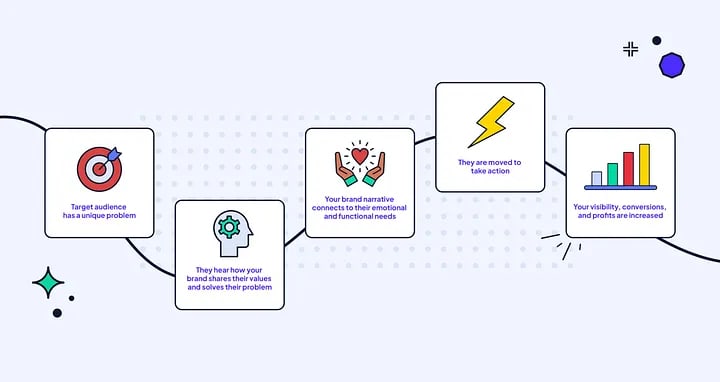
How a Brand Narrative Works
A brand narrative is an overarching story that encompasses your brand’s mission, values, and purpose. It’s not just about what you do, but why you do it and how that connects with your audience. Here’s how it typically works:
- The target audience has a unique problem: Your audience is dealing with a specific challenge or need.
- They hear how your brand shares their values and solves their problem: Your brand narrative should speak to these issues and align with their values.
- Your brand narrative connects to their emotional and functional needs: Your story should resonate logically and emotionally.
- They are moved to take action: A compelling narrative can drive your audience to engage with your brand, whether that means making a purchase, sharing your content, or becoming a loyal customer.
Your visibility, conversions, and profits are increased: A well-crafted brand narrative can lead to measurable business outcomes.
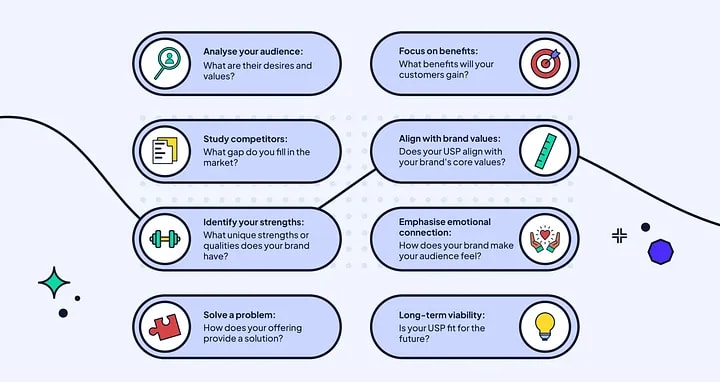
Crafting a Successful Brand Narrative
Understand Your Audience
Every great story begins with understanding the audience. Who are they? What are their needs, desires, and pain points? Your brand narrative should speak directly to these elements, making your brand feel like a trusted friend who “gets” them. Your brand narrative should speak directly to these elements.
- Identify their problems: What challenges does your audience face?
- Engage with them: Use surveys, social media, or direct feedback to understand their values.
- Tailor your message: Ensure your narrative aligns with your audience’s expectations and values.
For example, one of my clients, a local organic skincare brand, initially struggled with its messaging. They wanted to appeal to health-conscious consumers but were trying to be everything to everyone. We took a step back, conducted surveys, and engaged directly with their existing customers through social media.
We found that their core audience was primarily women in their 30s who valued transparency and sustainability. With this knowledge, we crafted a narrative emphasizing the brand’s commitment to ethical sourcing and transparency in ingredient lists.
This step is crucial because a brand narrative that doesn’t align with your audience’s values and needs will likely fall flat. According to a report by Edelman, 64% of consumers say that shared values are the primary reason they have a trusted relationship with a brand.
Define Your Brand’s Purpose
Your brand’s purpose is the “why” behind your business. It drives you, motivates you, and gives your brand meaning beyond just making a profit. When developing your brand narrative, it’s essential to articulate this purpose clearly.
- Ask yourself: Why does your brand exist beyond making money?
- Communicate clearly: Your purpose should be evident in all your messaging.
- Inspire trust: Align your brand purpose with your audience’s values.
For instance, I once worked with a small coffee shop priding itself on being a community hub where people could connect over a great cup of coffee. Their purpose wasn’t just to sell coffee; to foster connections and create a welcoming space for the community. We built their narrative around this purpose, emphasizing their role as a local gathering spot and highlighting stories of customers who had formed meaningful relationships there.
Your brand’s purpose is what makes your story authentic and relatable. A study by the Harvard Business Review found that 64% of consumers say they have a strong relationship with a brand because they share similar values. This is why it’s so important to define and communicate your purpose.
Identify Your Brand’s Unique Value Proposition (UVP)
Your unique value proposition (UVP) is what sets your brand apart from the competition. It’s the reason customers should choose your brand over others. Your brand narrative should communicate your UVP in a way that resonates with your audience.
- Highlight your uniqueness: What makes your brand different?
- Align with audience needs: Ensure your UVP solves a specific problem for your audience.
- Communicate clearly: Make your UVP a central part of your brand narrative.
For example, I worked with a startup that created eco-friendly packaging solutions. Their UVP was that their products were not only sustainable but also customizable to fit various industries’ needs. We crafted a narrative that highlighted their innovative approach to sustainability, positioning them as leaders in eco-friendly packaging. This narrative helped them secure several high-profile clients who were looking for ways to reduce their environmental impact.
Your UVP is the cornerstone of your brand narrative — it’s what makes your story unique and compelling. According to a survey by Nielsen, 66% of consumers are willing to pay more for products from brands committed to positive social and environmental impact. This reinforces the importance of a strong UVP in your brand narrative.
Craft Your Brand Story
Now that you deeply understand your audience, have a clear purpose, and a strong UVP, it’s time to craft your brand story. This is where everything comes together — your brand’s history, mission, vision, values, and personality.
A great brand story is authentic, relatable, and engaging. It should take your audience on a journey, showing them how your brand came to be, what it stands for, and where it’s headed.
- Be authentic: Share your brand’s journey, including challenges and triumphs.
- Make it relatable: Ensure your audience can see themselves in your story.
- Keep it engaging: Use storytelling techniques to keep your audience interested.
Let me share an example from my own experience. I worked with a boutique fashion brand founded by a mother-daughter duo. Their brand story was deeply personal, rooted in their shared love of fashion and their desire to create clothing that empowered women of all shapes and sizes.
We crafted a narrative that told their story from the heart, highlighting their close-knit relationship and commitment to inclusivity. This story resonated with their audience, who felt a personal connection to the brand and its mission.
When crafting your brand story, don’t be afraid to get personal. Share your challenges, triumphs, and the lessons you’ve learned along the way. Your audience will appreciate the honesty and authenticity.
Keep It Consistent Across All Channels
Consistency is key when it comes to brand narrative. Your story should be woven into every aspect of your brand — from your website copy and social media posts to your marketing materials and customer interactions.
- Branding elements: Ensure your narrative is visible in logos, color schemes, and fonts.
- Marketing materials: Consistently communicate your story in ads, social media, and websites.
- Customer interactions: Train staff to embody and communicate your brand’s story.
For one of my clients, a small artisanal bakery, we ensured their brand narrative was reflected in everything they did. Their story was all about tradition and craftsmanship, so we used rustic, hand-drawn elements in their branding, wrote copy that emphasized the artisanal nature of their products, and even trained their staff to share the story with customers in-store. The result was a cohesive brand experience that felt authentic and inviting.
Consistency builds trust and reinforces your brand’s identity. A study by Lucidpress found that brands that maintain consistent brand presentation across all platforms can increase their revenue by up to 23%. This highlights the importance of keeping your brand narrative consistent across all channels.
Evolve Your Narrative as Your Brand Grows
Finally, it’s important to remember that your brand narrative isn’t set in stone. As your brand grows and evolves, so too should your story. This doesn’t mean you should change your narrative entirely but adapt it to reflect your brand’s growth and new directions.
- Adapt to changes: Update your narrative to reflect new goals, markets, or offerings.
- Stay relevant: Ensure your story still resonates with your audience.
- Be flexible: Allow your narrative to evolve while staying true to your core values.
I’ve worked with several brands that started small and grew significantly over the years. As they expanded, we updated their narratives to reflect their new goals, markets, and offerings. For example, a small tech startup I worked with initially focused on a niche market. Still, as they grew and expanded their product line, we updated their narrative to reflect their broader vision and new target audience.
Your brand narrative should be a living, breathing part of your brand — one that evolves as your brand does. This adaptability will keep your story relevant and engaging for your audience as your brand grows.
Your Brand Narrative is Your Brand’s Heartbeat
Your brand narrative is more than just a story — it’s the heartbeat of your brand. It’s what connects you to your audience, differentiates you from the competition, and drives your brand’s growth. By understanding your audience, defining your purpose, identifying your UVP, crafting a compelling story, maintaining consistency, and evolving your narrative as your brand grows, you can create a brand narrative that truly resonates.
Developing a brand narrative is not a one-time task; it’s an ongoing process that requires thought, creativity, and a deep understanding of your brand and audience. But the effort is well worth it. A strong brand narrative can elevate your brand, build lasting connections with your audience, and set the foundation for long-term success.
So, take the time to craft your brand narrative with care. Your brand — and your audience — will thank you for it.
Happy designing!
About the Creator
Gading Widyatamaka
Jakarta-based graphic designer with over 5 years of freelance work on Upwork and Fiverr. Managing 100s logo design, branding, and web-dev projects.
Keep reading
More stories from Gading Widyatamaka and writers in Art and other communities.
The Beauty of Google Illustrations Explained
Hello, fellow designers! Google illustrations are truly a beauty, and there is no doubt about it. Most illustrations I've encountered as empty states or content-supporting elements are well-structured, color-coordinated, and have a story woven into the metaphors they depict.
By Gading Widyatamakaabout a year ago in Art
'Till Death We Do Art
There would be nothing divine in this world without art. Nature may surpass the divine to all intents and purposes, but like everything it absorbs and is absorbed by, it remains here, stuck on the surface of this world, ever-present, physically bound to the universe.
By Avocado Nunzella BSc (Psych) -- M.A.P 19 days ago in Art




Comments
There are no comments for this story
Be the first to respond and start the conversation.