
How to Design an Office Space That Inspires Creativity
From layout and lighting to color psychology and biophilic design — discover how smart interior choices can unlock your team’s most innovative ideas.

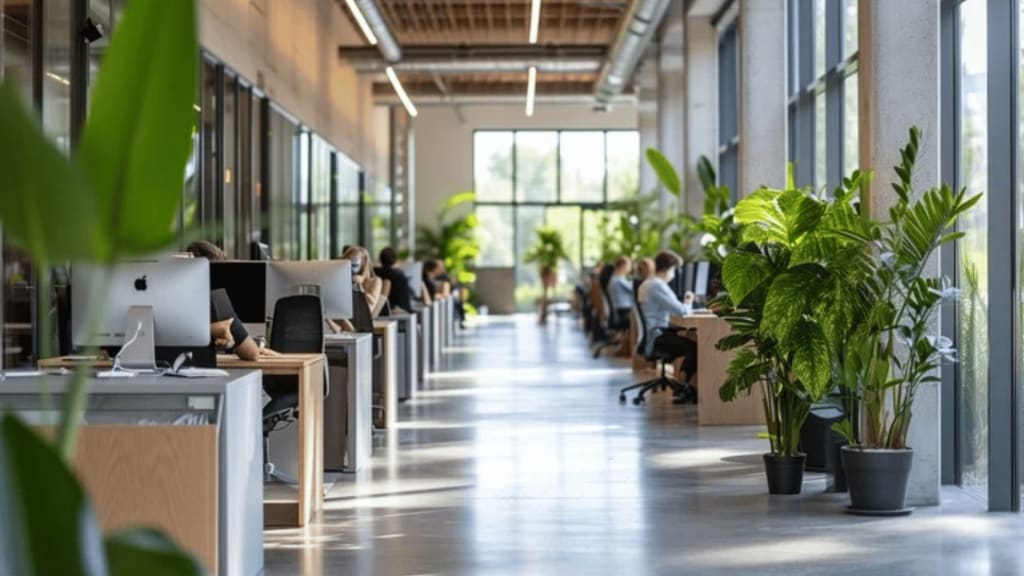
In an age where innovation drives growth, creativity has become one of the most valuable currencies in the workplace. Yet, creativity doesn’t always strike on command. It thrives in environments that spark curiosity, encourage freedom, and support experimentation. That’s where office design plays a pivotal role.
The right workspace doesn’t just house your team — it fuels their ideas, sharpens their thinking, and encourages collaboration. So how do you design an office that inspires creativity instead of stifling it? Let’s dive in.
1. Start with the Right Layout
Creativity requires flexibility. The traditional cubicle setup can often limit interaction and reduce visual stimulation — both of which are key to creative thinking.
Instead, embrace an open, modular layout that allows people to move freely and choose how and where they work. Use a mix of:
- Open zones for group brainstorming
- Quiet corners for focused thinking
- Breakout areas where people can relax and recharge
Designing a space that encourages movement and choice creates an atmosphere of freedom — a key ingredient for innovation.
2. Natural Light is Non-Negotiable
Numerous studies have shown the positive impact of natural light on mood, alertness, and creative performance. Offices that rely solely on artificial lighting often feel dull and uninspiring.
If possible, design your office around large windows, skylights, or glass partitions that maximize daylight. Position desks near windows and use mirrors or light walls to reflect and spread natural light across the space.
Can’t get more sunlight? Consider human-centric lighting — artificial lighting systems that mimic the natural patterns of daylight — to support the body's natural rhythms and enhance focus.
3. Use Color to Stimulate the Mind
Color psychology is a powerful yet often overlooked design tool. Different colors can evoke different emotional responses and thought patterns. When designing for creativity, think beyond plain white walls.
- Blue promotes calm, clear thinking — ideal for focused work
- Yellow sparks energy and optimism — perfect for brainstorming zones
- Green encourages balance and reduces anxiety — great for relaxing or creative reflection
Red can be stimulating — use in moderation for energetic spots
The key is to be intentional. Use color strategically in different areas to influence the mood and behavior of the people using the space.
4. Incorporate Nature and Biophilic Elements
Biophilic design — incorporating nature into indoor spaces — can increase creativity by up to 15%, according to research. It helps reduce stress, improve focus, and refresh mental energy.
Here are a few ways to add a natural touch:
- Live plants or green walls
- Natural materials like wood, stone, or bamboo
- Nature-inspired textures in textiles and surfaces
- Artwork or murals depicting natural scenes
Even small touches of nature — like a potted plant on a desk or a leaf-patterned rug — can contribute to a more inspiring and mentally stimulating environment.
5. Create Spaces That Encourage Spontaneous Collaboration
Some of the best ideas come from unplanned conversations. To encourage this, design for serendipity — create common areas where people naturally bump into each other and start talking.
Think:
- Coffee bars with stools
- Lounge zones with cozy seating
- Writable walls in hallways
- Communal tables in open zones
These areas promote cross-functional interaction and break down the barriers between departments. When people from different backgrounds share ideas, creativity thrives.
6. Design for Flexibility and Choice
Creative professionals often work in different modes — brainstorming, prototyping, reflecting, and presenting. One fixed desk can’t support all these activities.
That’s why flexible workspaces are essential. Include:
- Moveable furniture
- Adjustable lighting
- Mobile whiteboards
- Convertible meeting spaces
Allow your team to adapt the space to their needs throughout the day. The freedom to choose how they work promotes autonomy and creative ownership.
7. Bring in Personalization and Playfulness
Creativity isn’t always born from structure — sometimes, it needs a bit of chaos, color, and personal expression.
Encourage teams to personalize their workspaces. Allow wall space for:
- Mood boards
- Art
- Favorite quotes
- Team photos
- Project inspiration
Also, don’t underestimate the power of playful elements — a chalkboard wall, swing chairs, a game zone, or quirky lighting fixtures. These elements inject fun into the workplace, helping people feel more relaxed and mentally open.
8. Make Room for Recharge and Reflection
Creativity often happens in silence — during moments of rest, when the mind is allowed to wander. That’s why spaces for unstructured time are just as important as collaborative areas.
Design dedicated spaces for:
- Meditation or quiet thinking
- Reading corners
- Power naps
- Soft seating away from screens
Giving employees the opportunity to disconnect can actually help them reconnect with better ideas and renewed focus.
9. Celebrate and Showcase Creativity
When you celebrate creativity visually, it creates a positive feedback loop. Consider:
- Displaying employee artwork or project boards
- Rotating inspiration walls
- Hosting design or idea contests
- Creating spaces where wins and milestones are displayed
These visual cues create a culture that values imagination and makes creativity part of the daily narrative.
10. Align the Design with Your Brand and Vision
Every company has its own personality — and your office should reflect that. Whether you’re a tech startup that thrives on rapid innovation or a design firm that lives and breathes aesthetics, your space should visually and functionally support your purpose.
Use your brand’s color palette, typography, and visual style in signage, furniture, and art. This not only builds a strong brand identity but also helps your team feel more connected to a shared mission.
Final Thoughts
Creative office design is not about expensive furniture or trendy paint colors. It’s about understanding what fuels creativity — freedom, stimulation, connection, and balance — and designing spaces that support those needs.
As work evolves, businesses that prioritize creativity will continue to lead the way. Whether you're building a new office or redesigning an old one, remember that the goal is to inspire — not just to impress.
About the Creator
Phi Designs
Phi Designs is a leading office interior designer in India. We design and build offices in just 75 days.
Keep reading
More stories from writers in Art and other communities.
The Moon of Hope
Years of conflict had cast long shadows over Commander Wail’s homeland. Even as a child, he had been surrounded by conversations of war. His parents, both doctors, often stayed awake at night, anxious over the safety of their country, the devastating consequences of battles, and the lives of countless children. Young Wail would return from school, his mind heavy with thoughts, hearing his classmates discuss the horrors of war. He often wondered why everyone seemed consumed by fear and destruction.
By Sudais Zakwana day ago in Art




Comments
There are no comments for this story
Be the first to respond and start the conversation.