
How the Taliban Won the Media War
A Strategic Shift from Guns to Narrative

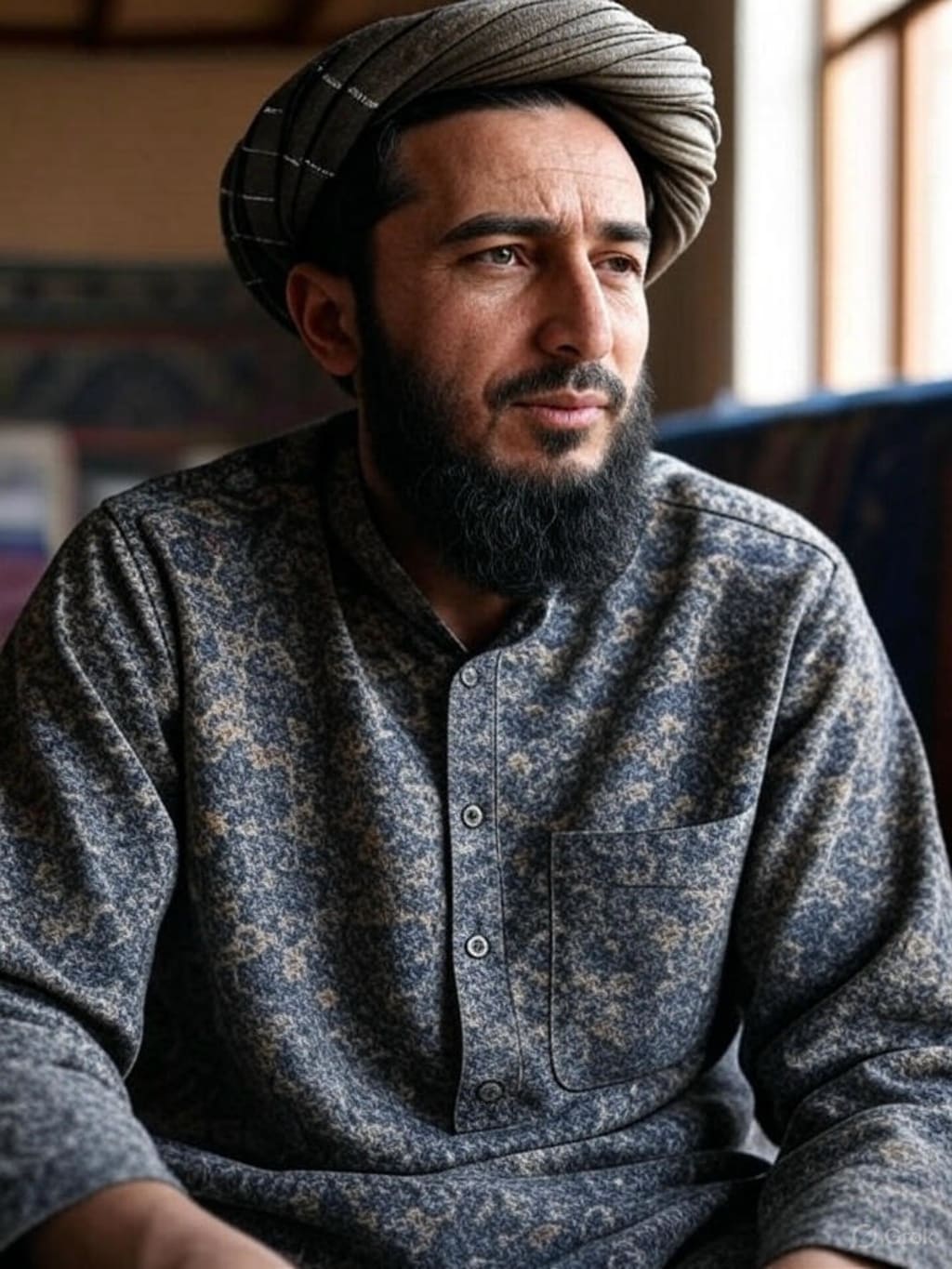
When the Taliban regained control of Afghanistan in August 2021, the world expected chaos, brutal suppression, and international isolation. Yet, nearly three years later, the group has not only consolidated power but also managed to shape global perceptions through a calculated media strategy. While their governance remains controversial, the Taliban have successfully shifted from being seen as mere insurgents to a government that engages with global media, controls domestic narratives, and even influences international discourse.
How did a group once known for banning television and the internet become adept at media warfare? This article explores the Taliban’s strategic use of propaganda, social media, and diplomatic messaging to win the media war—both at home and abroad.
1. From Censorship to Controlled Messaging
In the 1990s, the Taliban banned most forms of media, considering them un-Islamic. Today, however, they operate official Twitter accounts, press offices, and even give interviews to Western journalists. This shift reflects a key realization: **controlling the narrative is as important as controlling territory.**
Key Tactics:
- **State-Approved Media:** The Taliban now run their own news agencies (e.g., *Bakhtar News*) and regulate independent journalism, ensuring only favorable stories dominate.
- **Selective Access for Foreign Journalists:** By allowing limited but controlled access, they shape international coverage, presenting a facade of stability.
- **Crackdown on Dissent:** Independent Afghan media has been decimated, with journalists fleeing or self-censoring, leaving the Taliban’s version as the dominant narrative.
2. Mastering Social Media and Digital Propaganda
Long before their 2021 takeover, the Taliban were using social media to spread their message. Their tech-savvy approach has been crucial in winning over supporters and confusing opponents.
How They Do It:
Multilingual Outreach: The Taliban post in English, Arabic, and Pashto, tailoring messages for different audiences—jihadist supporters, regional players, and Western observers.
-Rapid Response Teams:** They quickly counter negative reports with official statements, often using polished videos and press releases.
-Exploiting Western Platforms: Despite bans, their content spreads through Twitter (X), Telegram, and WhatsApp, forcing tech companies into a cat-and-mouse game.
Example: When the U.S. withdrew, the Taliban live-tweeted their victory, framing it as a "defeat of imperialism"—a narrative that resonated globally among anti-Western audiences.
3. Diplomatic Media: Gaining Legitimacy Through Engagement
The Taliban understand that recognition from foreign governments hinges on perception. By engaging with media diplomatically, they project an image of a functioning government rather than a rogue regime.
Key Moves:
- **Interviews with Western Media:** Leaders like Zabihullah Mujahid give interviews to outlets like the BBC and CNN, using measured language to appear pragmatic.
- **Portraying Stability:** They highlight infrastructure projects and security improvements while downplaying human rights abuses.
- **Leveraging Regional Media:** Partnerships with Pakistani, Iranian, and Chinese media help them gain legitimacy in Asia.
**Result:** Some countries, while not formally recognizing them, engage in backchannel talks—something unthinkable in 2001.
4. Undermining Alternative Narratives
A major reason the Taliban dominate Afghan media is the silencing of opposition voices.
Methods Used:
- **Arrests and Intimidation:** Journalists critical of the regime face detention or worse.
- **Controlling Internet Access:** Shutting down VPNs and restricting social media limits dissent.
- **Flooding the Information Space:** Pro-Taliban content drowns out independent reporting.
**Outcome:** With no strong counter-narrative, even Afghans skeptical of the regime consume Taliban-approved news by default.
5. The Global Perception War: Victimhood vs. Victory
The Taliban frame themselves in two contradictory but effective ways:
1. **As Victims of Western Aggression** – Playing up grievances to gain sympathy in the Muslim world.
2. **As Victorious Islamic Emirate** – Positioning themselves as the only force that "defeated" the U.S.
This duality allows them to appeal to both hardline militants and pragmatic diplomats.
Conclusion: Can the Media Victory Last?
The Taliban have undeniably won the first phase of the media war. But challenges remain:
- **Sustaining the Illusion:** If economic collapse or internal strife worsens, their narrative of stability may crumble.
- **International Pressure:** Continued human rights violations could undermine their diplomatic media strategy.
Youth Resistance: Younger Afghans, more connected to global media, may eventually challenge Taliban propaganda.
For now, however, the Taliban’s media strategy has been a masterclass in narrative control—proving that in modern warfare, perception is as powerful as bullets.
About the Creator
Keep reading
More stories from Rafi Ullah Khan and writers in Art and other communities.
The Weight of a Son’s Love
Life had never been kind to Abdul Raheem. At just fifteen years old, he lost his father, leaving behind a coughing, ailing mother and two younger brothers who were too innocent to understand the gravity of their suffering. Overnight, the weight of survival fell on his thin shoulders. There was no money, no food—only the gnawing hunger in their stomachs and the fear of what tomorrow would bring.
By Rafi Ullah Khan 8 months ago in Art
Dog Shoes for Small Dogs and Puppy Shoes A Practical, Paw-Friendly Guide
Small dogs and puppies may look tough, but their paws often need more protection than people realize. Their bodies are lighter, their paws are smaller, and many of them spend a lot of time on surfaces that were never designed for delicate paw pads. Add cold sidewalks, hot pavement, rough gravel, wet grass, or even slippery indoor floors, and you start to see why dog footwear has become more than just a cute trend.
By aliyashahzadi3 days ago in Art
Every Brushstroke Was a Wish
In the small, quiet town of Avelar, there was a woman named Lena who painted with the kind of passion that only the truly lost could understand. Her cottage was perched at the edge of a vast forest, the kind of place where the whispers of the trees seemed to reach through the windowpanes, mingling with the rhythm of her brush against canvas. People in the town would pass by and sometimes glance at the paintings displayed in her window. But few, if any, understood the soul of her work.
By Jhon smitha day ago in Art



Comments
There are no comments for this story
Be the first to respond and start the conversation.