
How Israel was Created?
The Balfour Declaration's Long Shadow: A Century of Transformations in the Middle East
Title: The Enduring Legacy of the Balfour Declaration: A Century of Complex Transformations in the Middle East
On November 2nd, 1917, Arthur Balfour, the British Foreign Secretary, penned a letter that would set in motion a sequence of events shaping the geopolitics of the Middle East for a century. The Balfour Declaration, expressing the British government's formal approval for the establishment of a national home for the Jewish people in Palestine, marked the beginning of a conflict whose far-reaching consequences continue to reverberate today. Notably, at the time of this declaration, a staggering 90% of Palestine's population was non-Jewish. Yet, over the subsequent 31 years, seismic demographic shifts unfolded, leading to the demise of Palestine and the birth of the state of Israel.
The roots of this protracted conflict lie in the turbulent era of World War I, where Britain, fueled by imperial ambitions, made commitments that transcended its geopolitical boundaries. Balfour's pledge to forge a Jewish homeland in Palestine was just one element of a broader strategy that included promises of Arab independence, all driven by the fervor of imperialism. The Zionist movement, championing a Jewish homeland, gained momentum under the leadership of Theodor Herzl, especially with the publication of "The Jewish State" in 1896. The British government's support for Zionism, motivated by diverse reasons, seamlessly aligned with its overarching imperialist ambitions.
Post-World War I, the League of Nations implemented the mandate system, allocating territories once under Ottoman and German control to advanced nations for temporary administration. Palestine found itself under British mandate, significantly shaping its trajectory. The Balfour Declaration, seamlessly incorporated into the mandate, reiterated the commitment to establishing a Jewish home in Palestine, effectively sidelining the aspirations of the indigenous Palestinian population.
Under British rule, the Zionist project flourished, resulting in a surge in Jewish immigration, the establishment of institutions, and the formation of militias. Simultaneously, Palestinians were denied agency in shaping their destiny, grappling with displacement and unrest. The 1939 White Paper, rejecting partition and advocating for Palestinian independence, ignited conflicts between the British and Zionists.
The aftermath of World War II witnessed an influx of Jewish survivors seeking refuge in Palestine, intensifying the confrontation between Zionists and the British. The turning point materialized in 1947 when, on the brink of exiting Palestine, the British sought resolution from the newly formed United Nations. The UN proposed a partition plan that allocated 55% of Palestine for a Jewish state, disregarding the demographic reality on the ground. Subsequent events, including Zionist forces seizing more territory and expelling Palestinians, resulted in significant population displacement.
The period leading up to Israel's declaration of independence in 1948 was marred by violence, massacres, and forced expulsions. Palestinian towns were depopulated, and the landscape underwent a transformative shift. The Nakba, or catastrophe, unfolded as over 250,000 Palestinians became refugees, setting the stage for the ongoing Israeli-Palestinian conflict.
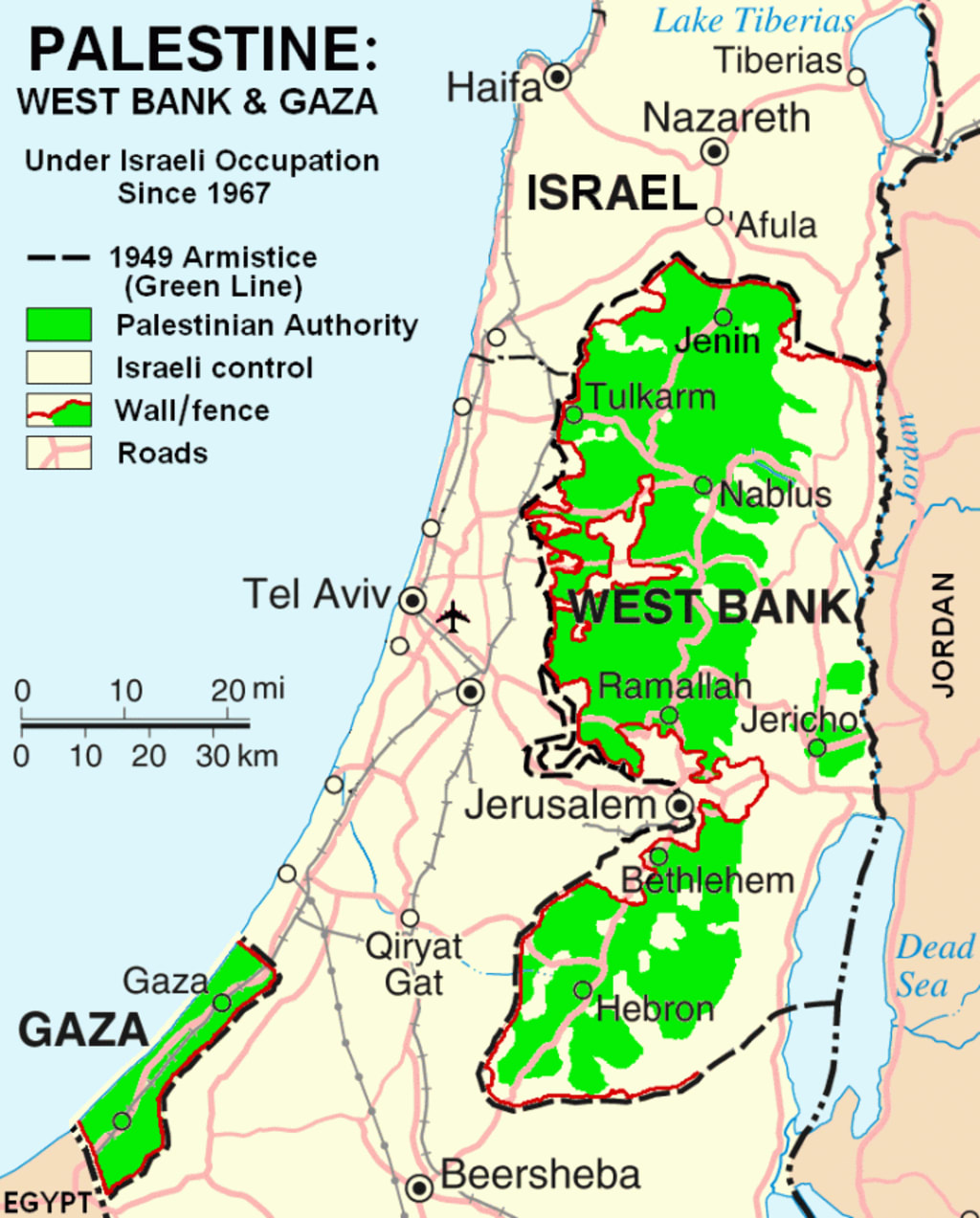
The establishment of Israel in 1948 did not signal the resolution of the conflict. Subsequent attempts at resolution further diminished the territory allocated to Palestinians. The occupied territories, such as the West Bank and Gaza, perpetuate a situation often likened to apartheid. Today, the struggle for justice and sovereignty persists for the Palestinians, while the echoes of Balfour's promise reverberate through the decades, profoundly influencing the dynamics of the Middle East. This enduring legacy serves as a stark reminder of the intricate interplay between historical decisions and their enduring consequences on a region's geopolitical landscape.
As we reflect on the past century, it becomes imperative to delve into the complexities that have defined the Israeli-Palestinian conflict, recognizing that its roots extend deep into history, echoing the consequences of decisions made a century ago.
About the Creator
Syed Dawood Shah
Writing to inform people about Pakistani Stars
Keep reading
More stories from Syed Dawood Shah and writers in Art and other communities.
House of Dragon Season 2
Mistakes unfolded in the aftermath of King Viserys' demise, setting the stage for a consequential war that will exact a heavy toll, ultimately determining the occupant of the throne. This conflict, labeled as a war between dragons, is vividly presented in the recently released House of the Dragon Season 2 trailer. While not an exhaustive preview of the entire season, the trailer offers a substantial glimpse, particularly highlighting significant battle sequences. It appears to cover events up to the midway point of the season, promising a breakdown of pivotal moments, Easter eggs, and surprising revelations.
By Syed Dawood Shah2 years ago in Art
The River and the Drops
High in the mountains, where no one watched and no one applauded, tiny drops of water slipped from melting snow. Each drop was small, almost invisible, and carried a quiet fear within itself. They began their journey without knowing where they were going, only knowing that they were moving away from where they began.
By Sudais Zakwan7 days ago in Art
Center Stage with Paul Stewart
*** I'm keen to republish the interviews I did for my series with Vocal creators. It's been a few years and I thought it might be nice to revisit these wonderful conversations. I'll be releasing them one at a time for a few weeks/months.
By Heather Hubler5 days ago in Interview




Comments
There are no comments for this story
Be the first to respond and start the conversation.