
How Do Artists Achieve Depth Using Simple Watercolors?
Discover how artists use light, color, and texture to create depth in watercolor paintings using simple, practical techniques.

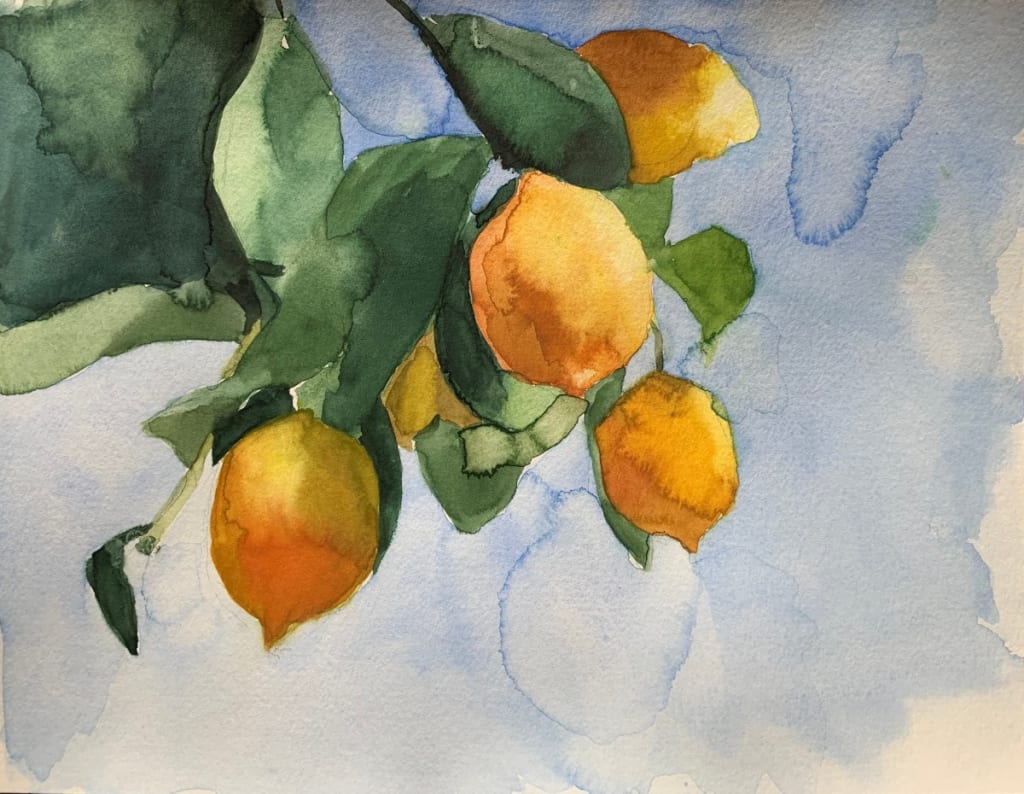
Watercolors are often thought of as delicate and unpredictable. Yet, despite their soft nature, they hold the power to create stunning depth and realism. Artists who use this medium often rely on basic tools and a limited palette, but their results can be striking. So how do they make a flat surface feel like it stretches back for miles? That’s the magic of technique, patience, and a little bit of vision. Many watercolorists, including those who feature their PISPLACE Watercolor Paintings For Sale, use time-tested methods that give their work dimension without relying on complicated materials or digital effects.
The Role of Light and Shadows
Painting With Light in Mind
Watercolor artists often start by imagining where the light hits their subject. This helps them plan their highlights and shadows right from the beginning. Light areas are usually left untouched by paint or lightly tinted, while shadows get built up slowly with transparent layers. This simple contrast creates a sense of form and space.
Using Negative Space
By painting around lighter areas rather than painting the light itself, artists let the white of the paper do the heavy lifting. This is one of the unique strengths of watercolor — the paper itself becomes a tool for light and contrast. The untouched portions often stand out more than heavily painted parts.
Layering With Transparent Washes
Why Thin Layers Matter
Instead of applying thick paint, watercolor artists build depth using thin, see-through washes. Each layer changes the tone slightly, making areas feel darker or more complex without becoming heavy. These layers dry quickly, allowing artists to return again and again to refine the look.
Building Color Gradually
Subtle shifts in color can suggest space and texture. A warm brown wash might sit beneath a cool blue one, giving the illusion of distance or surface variation. When built up patiently, even a small patch of color can appear rich and multi-dimensional.
Playing With Warm and Cool Tones
Temperature Tricks
Colors have temperature — blues and greens feel cool, while reds and oranges feel warm. Artists use this to create depth by placing cooler hues in the background and warmer tones up front. It’s a simple visual cue that mimics how we see the world.
Atmospheric Perspective
As objects move farther away in real life, they often appear cooler and less detailed. Watercolorists mimic this by muting the colors and softening the edges of distant objects. This technique gives the viewer a natural sense of depth without needing strong outlines.
Soft vs. Hard Edges
When to Blur
A soft edge, where two colors bleed into each other, can suggest something out of focus or far away. This is great for background elements, sky, or soft shadows. Artists use water to blur the lines intentionally, making areas blend seamlessly into one another.
Sharpening the Focus
Hard edges, on the other hand, bring attention to detail and shape. These are often used for subjects in the foreground or areas of interest. By combining both types of edges, an artist can create a sense of visual hierarchy, drawing the eye naturally across the painting.
Color Contrast and Balance
Letting Colors Speak
A smart use of contrast makes certain parts of the painting stand out. Dark against light, cool against warm — these shifts catch the eye. By placing bold colors next to more muted ones, artists create energy and space within their work.
Harmony Over Clutter
Depth doesn’t come from using every color on the palette. Most watercolorists limit their choices and work with what they have. The simplicity helps the viewer focus on depth and light, not the distraction of too many colors.
Texture Creates Distance
Dry Brush Techniques
Using a dry brush on textured paper can leave broken lines that look rough or fuzzy. This mimics grass, bark, or stone and adds a tactile feel. In backgrounds, this kind of mark-making can suggest distance or movement.
Controlled Splashes
Some artists flick water or paint onto the paper for a controlled splash effect. This randomness gives their work a raw, natural feel — perfect for rocks, foliage, or clouds. These tiny elements bring life to an otherwise flat scene.
Using Water as a Tool
Wet-on-Wet Approach
This involves placing wet paint onto a wet surface. The colors blend softly and move on their own, creating organic shapes and transitions. It’s unpredictable but often results in beautiful, dreamy effects that hint at depth without harsh lines.
Wet-on-Dry for Control
For more precision, artists wait for the paper to dry before applying more paint. This method allows for sharper lines, better edge control, and more deliberate shading. Alternating between these two styles gives paintings both energy and control.
Focal Points and Visual Paths
Guiding the Eye
Artists often use lines, shapes, or contrast to guide the viewer’s eye through the scene. A path, stream, or row of trees might start in the foreground and fade into the background. This journey across the page helps the viewer feel a sense of movement and depth.
What to Emphasize
By concentrating detail and strong color in just one or two spots, artists create a clear focus. The rest of the painting can stay soft and minimal, which increases the feeling of space and makes the main subject feel even more vivid.
Practicing Patience
Letting It Dry
A lot of watercolor work is about timing. If the artist moves too fast, the colors can get muddy. Waiting for one layer to dry before adding another is key to keeping the painting clear and deep. This slow rhythm is part of what gives watercolor its graceful look.
Observing the Process
Artists often learn more by watching how water and pigment interact than by controlling every stroke. They allow the painting to evolve naturally, and sometimes the best depth comes from letting things happen on their own.
Final Thought
Simple watercolors can carry tremendous depth when used with intention. It’s not about fancy tools or complex techniques — it’s about knowing how to handle light, color, edges, and patience. When used well, this gentle medium can create bold, spacious, and powerful scenes. Whether the goal is realism or abstraction, watercolor gives artists the freedom to build depth one soft layer at a time.
About the Creator
PISPLACE Watercolors
PISPLACE Watercolors showcases a beautiful collection of original watercolor paintings available for purchase in Lake Worth, FL. Each piece is thoughtfully crafted by a local artist who brings Florida’s vibrant scenery, wildlife.
Keep reading
More stories from PISPLACE Watercolors and writers in Art and other communities.
10 Stunning Water Paintings for Sale in Florida That Bring Coastal Calm to Any Space
In today’s fast-paced world, finding peace at home has become a necessity—not a luxury. Many Florida homeowners are searching for ways to create a calming, coastal vibe that reflects the beauty of their surroundings. But choosing the right art can feel overwhelming, especially when options range from mass-produced prints to overpriced gallery pieces.
By PISPLACE Watercolors6 months ago in Art
The Uncopiable Human Wit to Write
We all have been in that spot at least once in our schooldays where we have been wringing our brains off to curate written articles of some sort until our soul-less friends were born. At just four years old, our beloved soul-less, metallic, digital assistant who is always by our side when we turn on our computers and smart phones, will be doing much more than curating written content for us all, if you know what I mean.
By Sound Savvy6 days ago in Art
Miss Persephone's Manual to a Seemingly Ordinary Life
Miss Persephone was found at the dining table, her blue eyes swollen, her tears arriving and retreating like the tides of the ocean. Earlier that day, her family had visited her in the retirement home where she had lived for eight years. It was her eightieth birthday.
By Imola Tóth4 days ago in Fiction


Comments
There are no comments for this story
Be the first to respond and start the conversation.