
How Customer Segmentation in Email Marketing Works
Benefits of Customer Segmentation Email Marketing
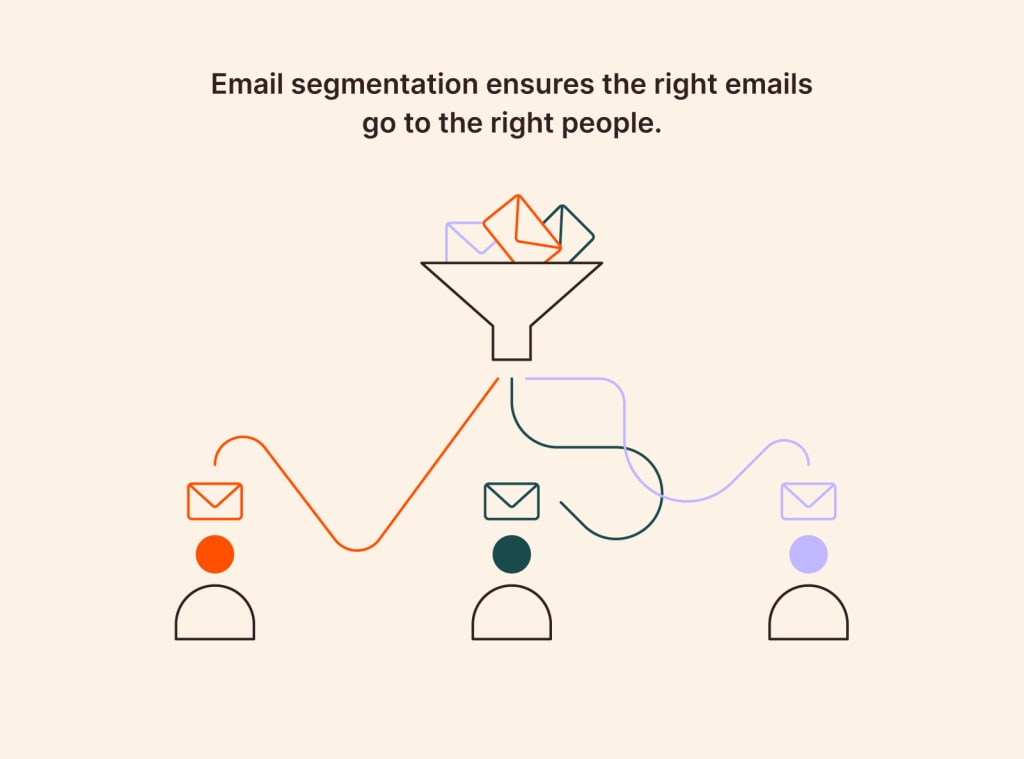
Email marketing is one of the most effective ways to connect with your customers, but to make it truly successful, you need to send the right message to the right people. This is where customer segmentation comes into play. In simple terms, customer segmentation is the practice of dividing your customers into smaller groups based on shared characteristics. Once you have these groups, you can send more personalized and targeted emails, increasing the chances of your emails being opened, read, and acted upon.
In this guide, we'll walk you through how customer segmentation works in email marketing and show you how you can use it to improve your campaigns.
What is Customer Segmentation in Email Marketing?
Customer segmentation email marketing is the process of dividing your email list into different groups or segments based on specific criteria. These segments are typically based on factors like:
Demographics (e.g., age, gender, location)
Purchase history (e.g., products bought, frequency of purchase)
Engagement level (e.g., how often a customer opens your emails)
Behavior (e.g., browsing behavior, products viewed on your website)
The goal is to send more relevant, personalized emails that resonate with each group. The more targeted your emails are, the more likely people are to open them, click on your links, and make a purchase.
Why is Customer Segmentation Important in Email Marketing?
Without segmentation, your email marketing campaigns are essentially one-size-fits-all. And as you can imagine, sending the same message to everyone doesn’t always work. Not every customer is interested in the same thing, so why send them the same email?
Here are some benefits of customer segmentation in email marketing:
Improved Engagement: By sending relevant content, your customers are more likely to engage with your emails—whether that’s opening the email, clicking a link, or making a purchase.
Higher Conversion Rates: Personalized emails feel more tailored to the individual, increasing the chances of conversion (such as making a purchase).
Reduced Unsubscribes: When your emails match your subscribers’ interests, they are less likely to unsubscribe because they find your emails valuable.
Better Customer Relationships: When you understand your customers’ needs and preferences, you can send content that feels more personal and less like a generic sales pitch.
How to Segment Your Email List
Now that you know the importance of customer segmentation, let’s take a look at how you can actually segment your email list. There are several ways to do this:
1. Demographic Segmentation
You can segment your customers based on basic information like age, gender, location, or job title. This helps you create targeted emails for different customer groups. For example:
Age: You can send emails with content tailored to young adults, middle-aged customers, or seniors.
Location: If you have customers from different regions, you can send location-specific promotions or events.
2. Behavioral Segmentation
This type of segmentation looks at how your customers interact with your brand, both online and offline. Some examples include:
Purchase History: You can send emails based on what customers have bought in the past. For instance, if someone purchased a laptop, you could send them email offers for laptop accessories.
Browsing Behavior: If someone browses a product on your website but doesn’t buy it, you can send a follow-up email with a discount or more information about the product.
3. Engagement Level
Some people may interact with your emails more than others. Here’s how you can use engagement to segment:
Frequent Openers: These are people who regularly open and click on your emails. You can send them exclusive offers or loyalty rewards.
Inactive Subscribers: If a person hasn’t opened your emails in a while, you can send a re-engagement email to bring them back.
4. Psychographic Segmentation
Psychographic segmentation focuses on the interests, values, and lifestyle choices of your customers. It’s a deeper look at what motivates them. For example:
Hobbies and Interests: If you sell sporting goods, you can target people based on the types of sports they are interested in.
Values and Beliefs: You can send emails highlighting your company’s values if they align with the customer’s personal beliefs (e.g., eco-friendly products).
Steps to Implement Customer Segmentation in Your Email Campaigns
Once you’ve chosen the criteria for segmentation, here are the steps to create a successful customer segmentation strategy for your email marketing campaigns:
1. Collect the Right Data
To create meaningful segments, you need accurate and relevant data. Collect information about your customers through your website, purchase history, surveys, and email interactions. Some platforms also track customer behavior automatically, which can help with segmentation.
2. Create Customer Segments
Once you have the data, start organizing your list into groups. You can do this manually or use email marketing software to automatically create segments based on the data you’ve collected.
3. Personalize Your Emails
For each segment, create personalized email content that appeals to their specific needs and interests. This could mean sending different products, offers, or content that matches their behavior.
4. Test and Optimize
It’s important to test your emails to see which segmentation strategies work best. You can test different subject lines, content types, and sending times to see what resonates with each group.
5. Monitor and Analyze Results
After sending your email campaigns, look at your analytics to measure success. Check open rates, click-through rates, and conversions to see how well your segmented emails are performing. Adjust your strategy based on what works.
Tools to Help with Customer Segmentation
There are several tools that can help you with customer segmentation:
Email Marketing Platforms: Platforms like Mailchimp, Constant Contact, and ActiveCampaign have built-in segmentation features that allow you to organize your email lists.
Customer Relationship Management (CRM) Software: CRM tools like HubSpot and Salesforce help you collect and manage customer data, which can be useful for segmentation.
Google Analytics: You can use Google Analytics to track customer behavior on your website and use that data for segmentation.
Read More: Is Klaviyo Better than MailChimp?
Conclusion
Customer segmentation in email marketing is about making sure you send the right message to the right people at the right time. By understanding your customers and tailoring your emails to their specific needs and interests, you can significantly improve your engagement, conversion rates, and customer loyalty. With the right data and tools, you can create targeted campaigns that not only drive results but also build stronger relationships with your customers.
Remember, the key to successful email marketing lies in personalization and relevance. So, take the time to segment your email list and watch your campaigns grow!
About the Creator
Retention Labs
Boost your WooCommerce and Shopify business with our expert email and SMS marketing services.
Keep reading
More stories from Retention Labs and writers in Art and other communities.
How to Write Ecommerce Emails
Email marketing is one of the best ways to grow your online store. If you run an ecommerce business, knowing how to write ecommerce emails can help you sell more, build trust with your customers, and keep people coming back to your website. In this article, we’ll explain everything you need to know about writing great ecommerce emails.
By Retention Labs9 months ago in Art
Off the Book
It ended like every other stupid idea. Badly, and alone. I’m researching digital confession ethics, he said. A tech ethicist. He gestured at floating data I couldn’t see then pulled out a physical notebook. Actual paper, fountain pen. He held it up like he was showing me scripture.
By Nicky Frankly4 days ago in Fiction


Comments
There are no comments for this story
Be the first to respond and start the conversation.