
How can coloring be used to express your emotions?
Coloring and Emotions


Coloring isn't just a childhood pastime anymore,it has become a more powerful tool for emotional expression and mental well being. Whether you're filling in the petals of a mandala, shading a forest scene, or blending colors in an abstract pattern, coloring can help you connect with your inner world in ways words often cannot.
Finding healthy outlets for self expression is more crucial than ever in today's fast paced, emotionally charged world. It allows you to take time for yourself, work through your emotions in a safe space, and express your feelings creatively without having to be an artist.
Here in this post, we find how coloring helps you express your emotions, the science behind its calming effects, and practical way to use it for emotional awareness and healing.
1. The Emotional Power of Coloring
Coloring offers a unique balance of structure and freedom. You have defined lines to guide you, yet endless possibilities for color choices, blending, and shading. This blend creates a safe and expressive outlet for emotions.
It is during coloring that your brain enters a meditative state. This helps lower stress, quiet racing thoughts, and brings your emotional energy into focus. But most importantly, coloring gives your emotions a voice through color, intensity, and movement.
A Language Beyond Words
Sometimes, words are not enough. Sadness, anxiety, or joy may be challenging to describe. Coloring allows us to visually express emotions and, therefore, escape the need to explain them in words. A simple choice between bright yellow and dark gray may say what words can't.
Just like painters and musicians convey feelings through their craft, you can also use crayons, colored pencils, or markers to act as emotional translators.
Why Coloring Feels So Calming
Coloring activates the brain's reward center by releasing dopamine, the "feel good" chemical. It not only reduces stress but also increases creativity and focus. Studies have shown that mindful coloring can:
- Lower levels of cortisol (stress hormone)
- Always reduce symptoms of anxiety and depression.
- Improve more emotional regulation
- Increase self awareness
With regular coloring, you open a safe channel to express your feelings and emotions.
2. Psychology of Colors and Emotions
Colors are closely connected with emotions. We usually associate colors with specific feelings. You can always express your emotions in a healthy, meaningful way by choosing colors that reflect your mood.
Here's a quick guide to common color emotion associations:

When you pick a color, you're often unconsciously selecting an emotional outlet. For example, coloring with blues and greens can be a way to help anxiety subside, while reds and oranges are how you release pent-up energy or anger.
Using Colors Intentionally
To express your emotions through coloring, try to match your color choices to how you feel,or how you want to feel.
- Stressed? Try cool tones like blue, teal, or lavender.
- Feeling angry? Well, use fiery colors like red and orange to channel it out.
- Feeling sad? Soft shades like lilac or sky blue can comfort you.
- Wanting joy? Fill your page with bright yellow and pink.
With time, you'll start to notice patterns in your color choices. These can reveal emotional cycles or hidden feelings you weren't fully aware of.
3. Coloring as Emotional Therapy
Art therapists often use colouring because of its therapeutic value, helping people connect to feelings in a safer, more contained manner. Unlike open drawings, coloring provides boundaries—perfect for those who might feel overwhelmed with a blank page.
1. Reducing Anxiety
The coloring of repeating patterns, such as mandalas or geometric shapes, creates a rhythm that quiets the mind. These motions become a form of more meditation, helping calm the body and emotions. When your hands are busy and your mind is focused, you naturally release stress and tension.
2. Release of Anger and Frustration
Anger is a high-energy emotion. Coloring provides a non-destructive way to release that energy. You might color aggressively, press harder with your pencil, or choose bold reds and blacks. This physical act of coloring lets you process your anger rather than bottling it up.
3. Working Via Sadness
The emotion might make us feel heavy or stuck. Coloring something uplifting,flowers, birds, or ocean waves can shift your energy. Or you may go darker to allow yourself to fully express the pungency of grief, letting it flow rather than being suppressed.
4. Increasing Self Awareness
Coloring always helps you notice emotional patterns. You might notice that you always reach for those calming blues when you're anxious. This can foster awareness, helping you understand your inner emotional triggers and always build healthier coping mechanisms.
4. Emotions: How to Apply and Express Them Using Coloring
If you want to make coloring a form of emotional expression or self-therapy, here are some simple, effective practices you can follow.
Step 1: Choose Your Environment
Find a quiet, comfortable space with few distractions. Play soft music or nature sounds if it helps you relax. Set the atmosphere where, in your imaginary scenario, you would feel comfortable and safe.
Step 2: Choosing the Right Tools
You don't need fancy art supplies to get started. Here are a few suggestions:
- Colored pencils
- Markers
- Crayons or gel pens
- Coloring books: diffrent thmes like,mandalas, nature, abstract patterns
- Free blank sketchbooks for coloring
Experiment with different textures and mediums. Each one evokes a unique emotional response. For example, markers feel bold and expressive, while colored pencils offer more subtlety and control.
Step 3: Begin with How You Feel
Take a moment before you start coloring to check in with yourself. Ask yourself:
- What am I feeling right now?
- Where do I feel it in my body?
- What color would that feeling be?
Next, just color to your heart's content without concern for perfection.
Step 4: Let Colors Flow Naturally
Don't overthink your color choices. Let your feelings guide you. If you suddenly feel like switching colors, that's okay. Remember, it's about self expression, not painting a perfect picture.
Step 5: Reflect on What You Created
After you are done, take a few moments to reflect on
- What emotions came up while coloring?
- Did your color choices change as you went?
- Do you feel lighter, calmer, or more aware?
You can also write about what you notice in a short journal entry; over time, you will see the emotional patterns and progress.
5. Types of Coloring Activities for Emotional Expression
You can express or explore your emotions through countless methods of coloring. Each offers a different way to process feelings and cultivate mindfulness.
1. Mandala Coloring
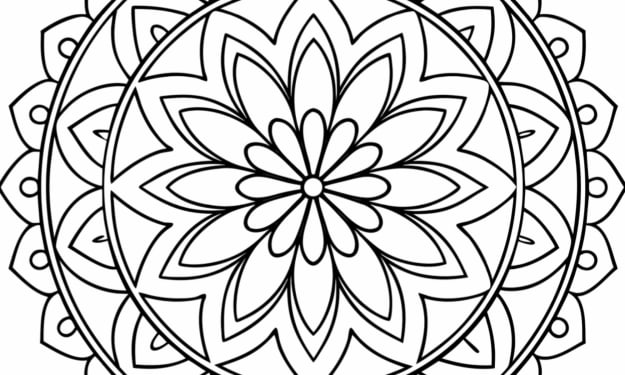
Mandalas are circular patterns that symbolize balance, wholeness, and unity. Coloring mandalas will help you find emotional balance, especially whenever you feel overwhelmed or scattered.
Start from the center and work your way outwards—this means grounding yourself and expanding your awareness.
2. Emotion Based Coloring Pages
Try coloring pages specifically designed to represent emotions, such as "anger volcanoes," "calm clouds," or "waves of sadness." Having these themed designs may help you to focus on one emotion at a time.
3. Abstract Free Coloring
Instead of coloring in the lines, freely draw shapes or whatever doodle you want, and fill them in with color beased on your emotions. This free form approach calls for raw, unfiltered expresion.
4. Gratitude Coloring Pages
Gratitude coloring can help change one's mindset when one feels mired in negative emotions. Use uplifting designs like flowers, sunshine, or affirmations, and fill them with colors that feel positive and comforting.
5. Journaling and Coloring Combined
Combine this with journaling: after completing a coloring page, write about the emotions or memories brought to the fore. This helps to reflect more deeply on your emotional understanding and healing.
6. Colouring Activities for Expression of Emotions
If you're not sure where to start, these coloring prompts can help you reflect on various emotional themes:
Color your mood:—choose colors that best describe how you are feeling today.
Emotions as weather: What would your feelings look like as a storm, sunshine, or rainbow?
- Healing garden - a garden that suggests peace and renewal.
- Mountain of challenges: using color to represent struggles and victories.
- Waves of calm: Color in ocean waves with colors that feel calming to you.
- Inside-out emotions: Divide a page into two halves, one for your outer self and one for your inner feelings.
- Joy explosion: Bright, energetic colors can depict pure happiness.
- Color your stress: channel tension into sharp lines or chaotic patterns and then gradually shift into calmer hues.
- Gratitude bloom: Color a flower for every person or thing you're grateful for.
- Hope Arises: Express hope with uplifting tones like those at sunrise —peach, gold, and light blue.
These prompts encourage introspection while providing a safe outlet for your emotions.
7. Coloring and Mindfulness: Staying Present with Your Emotions
Mindfulness is all about being fully aware of the present moment—without judgment. Coloring naturally encourages mindfulness by focusing your attention on color, movement, and shape.
When coloring mindfully, one pays closer attention to moments when emotions change. This is a great way to work through complicated feelings without being engulfed by them.
Tips for Mindful Coloring
- Take a deep breath and look at the color.
- Pay more attention to each stroke and shade.
- Pay more attention to how your emotions change while you're working.
Avoid rushing; let the process be slow and soothing.
Mindful coloring can connect you with your deeper self and provide grounding during emotionally turbulent times.
8. Coloring for Emotional Healing
Emotional healing is a gradual process of understanding, acceptance, and transformation of your emotions. Coloring supports this journey in subtle yet powerful ways.
Healing Through Self Acceptance
When you color, there is no right or wrong. Each choice, mistake, or smudge becomes incorporated into the artwork. This unconditional acceptance mirrors how we should treat our emotions—with compassion rather than judgment.
Healing Through Release
Sometimes we suppress emotions like anger, grief, or fear. Coloring brings them to the surface safely. As you fill in shapes or blend colors, you're giving those emotions permission to exist and then gently releasing them.
Healing Through Reconnection
Coloring has the power to reconnect you with your inner child —the inquisitive, creative part of you that felt free to play. This can be profoundly healing, especially for those of you who have been feeling emotionally numb or disconnected.
9. The Science Behind Coloring and Emotional Expression
Scores of psychological studies demonstrate that coloring, a form of art, affects the brain and emotions. Here's what research tells us:
- Reduces amygdala activity: The amygdala is involved in fear and anxiety. Mindful coloring helps quiet this brain region.
- Activates prefrontal cortex: This part of the brain handles focus and problem-solving. Coloring helps improve cognitive control over emotions.
- Flow state: allows one to become so absorbed in the moment that time "stands still", free from rumination.
- Enhances serotonin and dopamine: These neurotransmitters are associated with mood stability and happiness.
These effects together make coloring a powerful, accessible tool for emotional regulation.
10. Using Coloring in Daily Emotional Wellness Routines
For maximum emotional benefit, make coloring part of your daily or weekly self-care routine. You do not need long sessions; even 10 to 15 minutes can help.
Ideas for incorporating coloring into your routine:
- Morning boost: Color something bright and really inspiring to set a positive tone for your day.
- Midday reset: Take a coloring break when stress builds up.
- Evening calm: Soft tones delightfully help unwind and prepare for restful sleep.
- Weekend Reflection: Take time to color the pages that most represent how you felt throughout your week.
This simple yet powerful practice will nurture emotional resilience and greater self awareness over time.
11. Coloring as a Safe Space for All Emotions
Remember, all emotions are to be expressed, be they positive or negative. Coloring provides a judgment-free zone where one can express even the most uncomfortable feelings.
Coloring Sadness
Use cool, soft colors and gentle motions. Allow the process of coloring to calm your heart.
Coloring Anger
Go bold. Use strong strokes, darker colors, and intense patterns. Put more energy into this instead of holding it inside.
Coloring Joy
Selcte bright colors like yellow, pink, and turquoise. Let your joy spill freely on to the page
Coloring Fear or Anxiety
Experiment with soothing mandalas images or repetitive designs. The gradual change from dark to lighttones symbolizes the move towards calm and clarity.
12. The Advantages of Coloring for Emotional Health
Here's a summary of how coloring supports emotional wellness:
- PLE Encourages self expression
- Provides emotional release
- Anxiety and stress are reduced.
- It increases awareness and concentration.
- It always builds self awareness.
Improves mood and positivity. Provides a safe, creative outlet. These benefits make coloring activities always one of the most accessible and affordable forms of emotional self care.
13. Conclusion
Coloring as a Means of Emotional Liberation It's more than just an artistic hobby. It's a journey toward emotional clarity, peace, and self discovery.. It always helps you translate your inner feelings into color, then transforming pain into beauty and chaos into calm. The next time you feel stressed, angry, sad, or overwhelmed, reach for your coloring tools. Let the colors speak for you. Allow your emotions to flow through each stroke. You don't have to be an artist; just be present. Coloring allows you to feel, release, and heal.
About the Creator
Shenal Jay
All about Free Coloring Pages and Learning Materials (Pre-K to 5th)
For free download
Visit
https://freecoloringpagepro.com/
Or
https://www.patreon.com/FreeColoringPagesPro
Keep reading
More stories from Shenal Jay and writers in Art and other communities.
What Is the Difference Between Coloring for Fun and Therapeutic Coloring?
Coloring is now one of our go-to hobbies. From kids with crayons to adults with intricate mandala books, coloring is a moment of calm in our busy, overstimulated world. But over the past few years, a new term has emerged alongside recreational coloring: therapeutic coloring.
By Shenal Jay4 months ago in Art
Crossing Into Darkness
Bold and breathtaking, yet somehow subdued and intimate, Crossing Into Darkness is the most stunning small art show I have seen in a long time. It combines astonishing, and sometimes atypical works, from some of the most important artists you know, with equally important work from artists you have never heard of.
By Raymond G. Taylor2 days ago in Art


Comments
There are no comments for this story
Be the first to respond and start the conversation.