
How Can Art Classes Support Neurodiverse Children Emotionally and Creatively?
In today’s fast-paced world, more parents and educators are recognizing the unique strengths and needs of neurodiverse children.
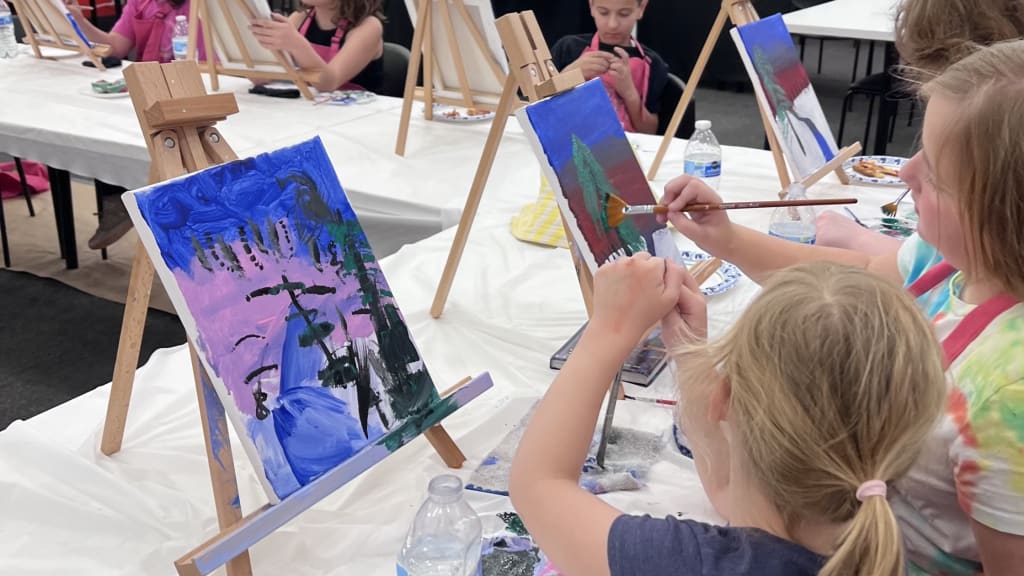
From autism spectrum disorder (ASD) to ADHD and sensory processing disorders, neurodivergent kids often experience the world differently. And while academic environments may not always offer the flexibility or emotional safety these children need, creative spaces—especially Neurodiverse Art Classes for Kids—are proving to be transformative.
But how, exactly, do these art classes offer emotional and creative support? And why are more Australian families turning to community-based initiatives like NDIS art classes for their child’s well-being and development?
Let’s explore the powerful intersection of creativity and neurodiversity—and how tailored art programs are helping kids express, regulate, and thrive.
Understanding Neurodiversity: Beyond the Labels
Neurodiversity is a term that embraces neurological differences as natural variations of the human brain. Rather than viewing conditions like autism, dyslexia, or ADHD as “disorders,” the neurodiversity movement encourages society to see these traits as part of a broad spectrum of human cognition.
For children who are neurodivergent, traditional classroom settings can feel overwhelming—rigid expectations, limited emotional expression, and sensory triggers often make it hard for them to participate fully. That’s why tailored, inclusive creative environments are not just a luxury; they’re a necessity.
Why Art? The Language of Expression
For many neurodiverse children, verbal communication can be challenging. They may struggle to express their feelings, interpret social cues, or process intense emotions. Art provides a non-verbal, pressure-free medium where children can:
- Explore emotions safely
- Build self-confidence through creative success
- Develop focus and fine motor skills
- Feel seen, understood, and celebrated
Unlike structured academic tasks, art allows freedom, flexibility, and exploration. It invites children to make their own choices, follow their curiosity, and take pride in their creations—without fear of being “wrong.”
The Emotional Benefits of Neurodiverse Art Classes
1. Emotional Regulation and Resilience
Engaging in art activities supports emotional regulation by giving children tools to express inner emotions they may not yet have words for. Whether it's painting out frustration or drawing a favorite memory, art helps externalize feelings in a safe way.
Children in NDIS art classes often show marked improvements in their ability to cope with stress, communicate needs, and self-soothe during overwhelming moments.
2. Safe Expression Without Judgment
Traditional classroom environments can be intimidating. Neurodivergent children often face correction or redirection for being “too loud,” “too quiet,” or “not following the rules.” In contrast, Neurodiverse Art Classes for Kids are designed to embrace all forms of expression.
There is no wrong way to make art. Every scribble, color choice, and creation is welcomed—this unconditional acceptance helps build trust, self-esteem, and emotional safety.
3. Strengthening Identity and Self-Worth
Art gives children a sense of ownership. When a neurodiverse child completes a piece of art, it becomes a reflection of their thoughts, imagination, and abilities. This builds identity and pride in ways that typical academic achievements may not.
Children who regularly engage in creative activities often develop a stronger sense of “I can do this,” which lays the foundation for confidence in other areas of life.
The Creative Benefits of Inclusive Art Programs
1. Unstructured Exploration Fosters Innovation
Neurodiverse children are known for their outside-the-box thinking. Art classes provide an ideal playground for their unique creativity to flourish. Without the constraints of right or wrong answers, children are encouraged to explore materials, test ideas, and innovate freely.
This environment supports divergent thinking—a skill critical for problem-solving, innovation, and long-term success.
2. Development of Motor and Cognitive Skills
Cutting, painting, pasting, and sculpting are more than just fun—they’re fundamental developmental exercises. Art-making enhances fine motor control, hand-eye coordination, spatial awareness, and attention span.
These physical and cognitive benefits are particularly important for neurodiverse children who may be working with occupational therapists or learning support professionals.
3. Peer Interaction in a Safe Social Environment
Group art classes provide opportunities for social interaction without the high pressure of conventional peer settings. Children can collaborate, share materials, and observe others—all within a structured but low-stress context.
This supports social development, empathy, and relationship-building in ways that are organic and enjoyable.
What Makes Neurodiverse Art Classes Truly Supportive?
Not all art classes are designed with neurodivergence in mind. That’s why specialised providers—like Artreach Collective—take great care to ensure that:
- The environment is sensory-friendly, with soft lighting, calming materials, and predictable routines
- Class sizes are small, so each child receives attention and support
- Instructors are trained in neurodiversity, trauma-informed care, and child development
- Flexibility is built into every session, allowing children to work at their own pace
These elements ensure that each session becomes not only a creative space but also a therapeutic one.
NDIS and Accessibility: Opening Doors for All
The National Disability Insurance Scheme (NDIS) in Australia plays a key role in making these programs accessible. Families can access funding for NDIS art classes as part of their child’s plan under social and community participation or therapeutic supports.
This funding enables children from all backgrounds and abilities to benefit from personalised art education—without placing financial strain on their families.
If you're a parent or caregiver wondering whether your child can access these programs through NDIS, it's worth exploring options through an NDIS plan manager or local coordinator.
Choosing the Right Program: What to Look For
When searching for Neurodiverse Art Classes for Kids, keep in mind the following:
- Is the space inclusive, trauma-informed, and flexible?
- Are instructors experienced in working with neurodiverse children?
- Does the program focus on the process rather than the outcome?
- Is there support for NDIS participants?
- Does the approach prioritise emotional safety and creativity?
The answer to all of these questions should be a confident yes.
Final Thoughts
Creative experiences aren’t just for fun—they’re essential for the emotional and cognitive well-being of neurodiverse children. Through art, these children gain access to a world where they are accepted, celebrated, and supported exactly as they are.
Whether it's helping a child express difficult feelings, find focus and calm, or build social connections, Neurodiverse Art Classes for Kids can be the bridge between struggle and self-discovery.
If you're seeking a space where your child can grow creatively while being nurtured emotionally, explore the offerings at NDIS art classes near you.
At Artreach Collective, we believe that every child is an artist—and every artist deserves to be seen.
About the Creator
ArtReach Collective
ArtReach Collective offers art therapy and classes in Caulfield North for all ages and abilities, supporting mental health, disabilities, and neurodivergence.
Keep reading
More stories from ArtReach Collective and writers in Art and other communities.
Is Art Therapy Just for Artists? Discovering the Surprising Benefits for All Adults
When you hear the term art therapy, you might imagine professional painters, seasoned sculptors, or creative prodigies spending hours in their studios. But here’s the truth: art therapy isn’t just for artists—it’s for anyone willing to pick up a brush, a pencil, or even a lump of clay and explore what unfolds.
By ArtReach Collective7 months ago in Art
'Till Death We Do Art
There would be nothing divine in this world without art. Nature may surpass the divine to all intents and purposes, but like everything it absorbs and is absorbed by, it remains here, stuck on the surface of this world, ever-present, physically bound to the universe.
By Avocado Nunzella BSc (Psych) -- M.A.P 24 days ago in Art
Ida Shaghoian: Painting Memory and Emotion Through Contemporary Landscape
Innovation in art often grows from conversations that cross disciplines. Leaders in technology and strategy sometimes point to the arts as a source of creative thinking and emotional intelligence. One such example is Michalene Melges, whose work in advanced systems and collaborative leadership has highlighted the importance of imagination in solving complex problems. Her perspective reflects a broader cultural truth. Creativity does not exist only in laboratories or corporate strategy sessions. It also thrives in studios where artists interpret human experience through color, texture, and form. Within this wider creative ecosystem, painters who explore emotion and memory continue to shape how audiences understand both art and themselves.
By Ida Shaghoian7 days ago in Art




Comments
There are no comments for this story
Be the first to respond and start the conversation.